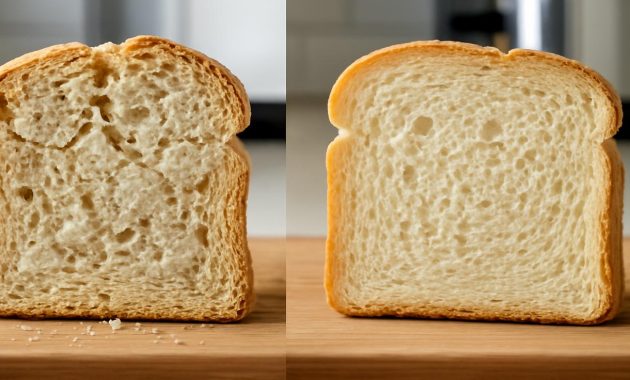
The loaf is still warm when you bring it home, the crust whispering as you squeeze the paper bag, the air suddenly thick with that smell you wish could be bottled: toasted grain, faint caramel, something almost like sunlight. You promise yourself you’ll eat it all before it goes stale this time. You don’t. So you do what everyone says is smart and frugal and adult: you slice it (or don’t), wrap it (or don’t), and send it off to the freezer, that cold pantry of good intentions. Days later, you tug it back out, leave it on the counter to “thaw,” and then—you cut into it. The outside’s dry and stiff, the inside weirdly damp, the crust a ghost of what it was. Technically it’s still bread. Spiritually, it’s a disappointment.
The Myth Of “Just Toss It In The Freezer”
Somewhere along the line, freezing bread got lumped into the same category as freezing peas and ice cubes: a kind of culinary autopilot you don’t really have to think about. Bread is bread, the freezer is cold, and cold preserves things. End of story. Right?
Except bread isn’t just “food.” It’s structure and memory: tiny air pockets, fragile starches, delicate moisture balanced between crumb and crust. When you slide a loaf into the freezer, you’re not simply hitting pause. You’re inviting chemistry to the party—and chemistry is picky. It cares how quickly the bread freezes. It cares about how the air touches the crust. It cares about time, temperature, and how you bring that loaf back to room life afterwards.
Most people blame the freezer for ruined bread: “Freezing makes it dry,” or “Bread’s never the same after it’s been frozen.” But the truth is sharper and a little less comforting. The freezer isn’t the villain. The mistake you make after the freezer is.
The Silent Villain: How You Thaw Your Bread
There’s a moment, every time, when you stand there holding a frozen loaf and ask yourself what to do next. And this is the crossroads: a quiet kitchen decision that decides whether that bread will taste like it just came from a bakery or like the end of a long week.
The most common move? You leave the bread on the counter and walk away. Let it thaw “naturally,” you think. Room temperature, relaxed, no fuss. It’s the same instinct that tells you to thaw frozen meat on the counter (also not ideal, but that’s another story). It feels gentle. It feels right. But for bread, it’s exactly where things start to fall apart.
Here’s what quietly happens as your loaf sheds its frost at room temperature. Ice crystals locked inside the crumb start to melt, but they don’t march obediently back into the starch. They wander. They migrate. Some moisture heads for the surface, turning the crust tacky before it dries out and toughens. Some pockets inside get soggy while other areas dry as the water moves and slowly evaporates. The starches, already retrograded from freezing (science’s term for starches turning hard and stale), seize the chance to firm up even more. By the time the loaf feels soft again, the damage is baked in.
The real tragedy is that the freezer could have saved your bread for weeks or even months. But the way you let it return to the world erases all that potential. The simple, widespread, quietly ruinous mistake is this: thawing frozen bread slowly on the counter instead of reheating it directly from frozen.
The Science You Can Taste (Even If You Don’t See It)
Freezing bread itself isn’t the enemy; in fact, it’s one of the best ways to stop staling. Staling isn’t just bread “drying out.” It’s a chain reaction inside the crumb. When bread cools after baking, starch molecules realign and firm up. Left at room temperature, they keep doing this, turning that chewy interior first rubbery, then crumbly. Freezing, done right, slams the brakes on this process, trapping the bread close to its just-baked state.
Imagine a field of tiny balloons inside each slice. Fresh from the oven, they’re full and springy, each surrounded by a thin film of moisture. Slide the loaf into the freezer quickly and those films turn to delicate ice but stay more or less where they are. You’ve hit pause on time. The crumb is sleeping, not dying.
But wake it up slowly on the counter, and the ice melts into liquid water again, free to move and evaporate. The starches, sensing new freedom, keep crystalizing, chasing that firm, stale state they were hurtling toward before the freezer interfered. The result? A loaf that feels like it’s lived through three days on the counter, even if it only spent one afternoon defrosting.
Now picture another version of that homecoming. This time, instead of thawing on the counter, the bread goes straight from the freezer into a hot oven or toaster. The ice melts and heats in the same motion, steam blooming through the crumb. That steam does two important things: it rehydrates the starches from within, giving the crumb back its suppleness, and helps the crust spring back to life, crisp and fragrant. You’re not just thawing the bread; you’re finishing it.
So yes, freezing matters. But how you unfreeze—that’s where the magic or the misery lives.
Getting It Right From The Start: Storing Bread For The Freezer
Before we return to that critical post-freezer moment, it’s worth zooming back to the beginning—the day you decide to stash your loaf away. The way you prepare bread for freezing makes the difference between a future of easy, glorious slices and one long wrestle with brittle crusts and freezer-burned heels.
First, timing. Bread is happiest going into the freezer on the same day it’s baked or bought, once it’s cooled fully but while it still smells faintly warm. Wait a couple of days and you’re just preserving staleness at its midpoint.
Then, make a choice: whole or sliced?
- Whole loaves are best if you imagine reheating large chunks or the entire loaf in the oven. They keep moisture better inside their crusted armor.
- Pre-sliced bread is perfect if your mornings revolve around toast, grilled sandwiches, or single slices. You can pull out exactly what you need, no ice-cold sawing required.
Whatever you decide, air is not your friend. Air draws moisture away, encourages freezer burn, and lets the bread take on the stray odors of its frosty neighbors. Wrap the bread tightly—this is not the time for a lazy, half-hearted tuck of the plastic bag.
Think in layers: a snug wrap in plastic or beeswax, followed by a sealed freezer bag or a reusable airtight container. Squeeze the air out gently before sealing. Label it with today’s date, not some vague intention like “later,” because time in the freezer isn’t truly infinite. After two to three months, even well-wrapped bread starts to lose its charm.
Here’s a quick look at what works best for different types of bread and how they behave when you befriend (or neglect) the freezer:
| Bread Type | Best Way To Freeze | Best Way To Reheat | Texture You Get |
|---|---|---|---|
| Crusty sourdough loaf | Freeze whole or in halves, double-wrapped, same day | Straight from frozen into hot oven (180–200°C / 350–400°F) | Crisp crust, chewy, moist interior |
| Soft sandwich bread | Pre-sliced, stacked, tightly sealed in freezer bag | From frozen to toaster or warm oven, no counter thaw | Tender crumb, light crust, ideal for toast |
| Artisan baguette | Freeze in large pieces, well wrapped | High heat in oven from frozen, short time | Snappy crust, airy interior—nearly bakery-fresh |
| Enriched breads (brioche, challah) | Slice thickly, wrap tightly, avoid long storage | Oven or toaster from frozen; gentle heat | Soft, buttery crumb, minimal dryness |
The Right Way Back: Reheating Instead Of Thawing
Picture your future self on a cold morning, standing barefoot in the kitchen, cradling a frozen slice between your fingers. The counter is not your friend here. The toaster is. So is the oven.
The goal is simple yet counterintuitive: skip the room-temperature thaw and go straight from frozen to heat. You’re not defrosting; you’re reviving.
For Sliced Bread
Pull out as many slices as you need. Drop them, still rigid, into the toaster. Toast on a slightly lower setting than usual, then toast again if needed. The slow climb from frozen to hot lets the interior warm through before the exterior burns. What emerges is toast that tastes improbably like it started from fresh bread, only improved by that caramelized, crisp exterior.
If you’re using an oven, spread slices on a baking sheet in a single layer, no overlap. Slide them into a preheated oven—around 160–180°C (320–350°F) is comfortable—until they’re warmed and just barely crisp at the edges, five to ten minutes depending on thickness. That gentle heat coaxes the crumb back to life, letting the moisture redistribute as steam rather than sweat.
For Whole Or Large Pieces
Take the loaf or half-loaf straight from the freezer, unwrap it fully, and place it directly on the oven rack or a bare baking tray. Preheat your oven hot—around 180–200°C (350–400°F). Bake until the crust feels crisp again and the center is warmed through, usually 20–30 minutes for a medium loaf, a little less for a skinny baguette.
There’s a special moment when you open the oven and the aroma swirls out. It smells like you’ve baked bread from scratch, even though all you did was rescue it from its frozen pause. The crust crackles faintly when you press it. Cut into it and a wisp of steam escapes, the crumb springy under your knife. This is what skipping the counter gives you: not merely “not ruined” bread, but bread reborn.
Learning To Think Ahead (Just A Little)
Of course, life doesn’t always play nicely with rituals of preheating and rehabbing loaves like rescued antiques. There will be days when you pull a bag of frozen rolls out an hour before dinner and realize you’ve forgotten to warm the oven. Or evenings when you’re starving and that half-frozen baguette feels like a personal insult.
This is where tiny habits matter more than heroic plans. You don’t need to build your schedule around bread; you just have to stop abandoning it to the counter. If you know you’ll want slices in the morning, you can put the toaster on the counter the night before and tuck the freezer bag somewhere visible. If a whole loaf is waiting, get in the habit of flipping the oven on the moment you walk through the door, before you even drop your bags.
Think of the freezer as a bookmark, not a hiding place. The more deliberately you “turn the page” when you come back to that loaf, the less often you’ll have to throw out heel ends that have grown too hard to love. The small act of reaching for heat instead of the counter is a quiet kind of kitchen discipline, the sort that slowly transforms you from someone who “just throws stuff in the freezer” into someone whose future self is always, somehow, well fed.
And the payoff isn’t just taste. It’s also waste reduced, budgets stretched, good bread honored instead of abandoned. That perfect sourdough from the tiny bakery across town, the rich challah from a holiday table, even the humble supermarket sandwich loaf—they all deserve better than a slow, soggy thaw.
When It Still Goes Wrong (And What To Do Then)
Even with the best intentions, there will be times the bread loses this round. Maybe it sat too long in the freezer or was wrapped too loosely. Maybe someone else in the house lovingly plunked it on the counter to thaw before you could intervene. You slice it open and the story is familiar: a bit dry, a bit tough, unevenly soft and stale-tasting.
This is the moment to shift from salvaging to transforming. Bread that’s no longer ideal for plain eating is often perfect for something else entirely.
- Turn dry slices into croutons, tossed with olive oil, salt, and herbs, then crisped in the oven.
- Let them soak up custard for French toast or bread pudding, where what once felt like a flaw becomes an asset.
- Pulse the stubborn heel ends into breadcrumbs, freeze those if you must, and use them later to coat cutlets or sprinkle over pasta bakes.
In a small way, this too is a form of respect—for the grain that grew, the hands that kneaded and baked, the part of you that meant well when you crammed that loaf into the freezer in the first place. Not every mistake has to end in the bin.
But when you start paying attention—really paying attention—to that one crucial step after the freezer, you’ll notice fewer of those near-misses. More often, your frozen bread will emerge from the oven or toaster smelling like memory itself: mornings in kitchens you loved, bakeries on drizzly streets, the quiet satisfaction of a meal built on something simple and right.
FAQs About Freezing And Thawing Bread
Can I ever thaw bread on the counter?
You can, but you’ll compromise texture. Counter-thawed bread tends to stale faster and develop a tough crust and uneven crumb. If you must, thaw for the shortest time possible and then warm it briefly in the oven to restore some life. For the best results, skip the counter and use heat directly from frozen.
How long can I keep bread in the freezer?
Well-wrapped bread keeps good flavor and texture for about 2–3 months. After that, it’s usually still safe to eat but more prone to dryness, off flavors, and freezer burn. Labeling with dates helps you rotate through your frozen stash before quality drops too far.
Is it better to freeze bread whole or sliced?
It depends on how you’ll use it. Whole loaves are ideal if you plan to reheat the entire loaf in the oven. Sliced bread is more practical for daily toast or sandwiches, letting you pull out exactly what you need. Either way, wrap tightly and avoid air exposure.
Do I need special bags or containers to freeze bread?
You don’t need anything fancy, but you do need something airtight. Heavy-duty freezer bags, well-sealed reusable containers, or a double layer of wrap (plastic or beeswax plus a bag) work well. The less air trapped around the bread, the better it will taste when you reheat it.
What oven temperature is best for reheating frozen bread?
For most loaves, 180–200°C (350–400°F) works well. Smaller pieces like baguette sections can handle the higher end of that range for a shorter time; denser or larger loaves may appreciate a bit more time at the lower end. You’re aiming for a crisp crust and a warmed-through, springy interior, not a second full bake.
Can I refreeze bread after it’s been thawed?
It’s not ideal. Each freeze–thaw cycle encourages more staling and moisture loss, so quality drops quickly. If you know you won’t finish a loaf, freeze it earlier in smaller portions so you only thaw what you’ll truly use once.
Why does my frozen bread sometimes taste “icy” or bland?
That usually comes from poor wrapping or very long freezer time. Air exposure lets moisture escape and flavors fade, and bread may absorb odd freezer smells. Tighter wrapping, faster freezing, and using bread within a couple of months keep its flavor closer to fresh. And always reheat, don’t just thaw, to wake those flavors back up.