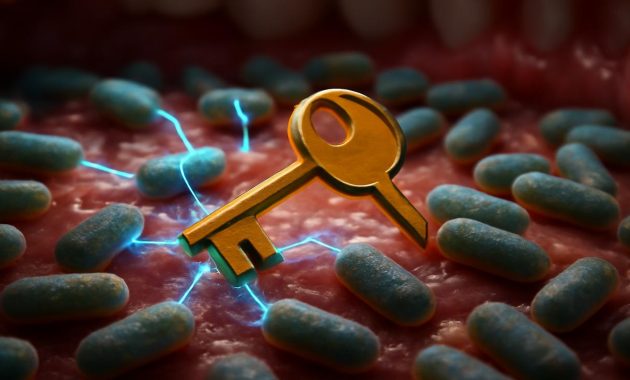
The first sign that something extraordinary was happening in the lab wasn’t the data on the screen. It was the smell. A faint, metallic tang of agar and disinfectant, with a sharper, almost sour note—like a distant echo of bad breath. Dr. Maya Ruiz leaned over a row of Petri dishes glowing softly under the incubator light, watching tiny bacterial colonies spreading like constellations in a petri-sky. These were the invisible troublemakers that, day after day, year after year, quietly nibble away at our gums. But tonight, something was different. Tonight, the bacteria were talking—and for the first time, the scientists were talking back.
What If We Could Talk Bacteria Out of Causing Disease?
If you’ve ever left the dentist’s office with a lecture about flossing echoing in your ears, you already know that gum disease is common. Red, swollen gums. Bleeding when you brush. The quiet recession of the pink line that protects your teeth. It’s easy to think of it as a cosmetic issue, something that happens if you forget to floss a little too often.
But in the quiet, dark spaces along your gumline, an entire city is thriving—a complex, buzzing metropolis of bacteria. Most of these microbes are just trying to live their lives. Some even help you by breaking down food and keeping more dangerous invaders away. Others, though, are opportunists. Given the right conditions, they turn aggressive and begin a microscopic slow-motion attack on your gums and the bone that holds your teeth in place.
For decades, dentists and scientists fought this war with toothbrushes, mouthwash, and antibiotics. Scrub the plaque away. Kill the bad bacteria. Start again when they come back. But what if, instead of blasting them with chemicals, we could persuade them? What if, instead of killing bacteria outright, we could lean in, listen to their conversations, and quietly rewrite the script?
That question—once the stuff of wild science fiction—is now becoming real research. And it all starts with a startling idea: bacteria talk to each other. Constantly.
The Secret Language Whispered Between Your Teeth
Imagine walking into a crowded party where no one is speaking above a whisper. Nothing obvious. No shouting, no clinking of glasses, no DJ. But everyone is subtly signaling: a nod here, a glance there, a slight tap on a table. If you didn’t know the code, you might think nothing was happening. Yet a whole social structure is being negotiated in silence.
This is more or less what happens in your mouth. The bacteria living on your teeth and gums communicate using chemical messages in a process scientists call “quorum sensing.” Each bacterial species releases small signaling molecules—tiny chemical notes—that drift through their surroundings. When there are only a few bacteria, these signals are soft and scattered. But as the bacterial population grows, the signals build up like a rising chorus.
Once the concentration crosses a threshold—once there are “enough of us here”—the bacteria collectively change their behavior. They might switch on genes that allow them to stick together in slimy biofilms (the sticky layer you feel on your teeth when you first wake up). They might release toxins, become more aggressive, or turn on enzymes that break down gum tissue.
In the world of gum disease, this shift from quiet neighbor to destructive mob is crucial. Periodontitis—the more severe form of gum disease—is not usually caused by one “evil” bacterium acting alone. It’s a coordinated community effort, triggered by conversations that unfold molecule by molecule.
The breakthrough came when scientists realized that if bacteria were talking, they weren’t just talking randomly. They were following rules. And if those rules could be understood, maybe they could be bent.
Decoding the Microbial Murmur
In labs across the world, researchers began tracking these signals like detectives following text messages between conspirators. One of the key offenders they focused on was a mouth microbe with an almost elegant name: Porphyromonas gingivalis. This species is strongly linked to chronic periodontitis, the long-term form of gum disease that can quietly destroy the bone holding your teeth.
Using high-resolution imaging and genetic tools, scientists watched as P. gingivalis and its neighbors gathered along the gumline. They noticed something fascinating: the worst damage didn’t occur simply when these bacteria were present. It happened when they reached a certain density and began sharing specific signal molecules. That’s when they turned from passersby into an organized gang.
Those signal molecules—often called autoinducers—were essentially the words and phrases in the bacteria’s language. When enough of them accumulated, they told the community: “Now. Attack. Build a biofilm. Evade the immune system. Release enzymes.”
Instead of trying to guess what the bacteria were up to, researchers began to eavesdrop more directly. They isolated the signaling compounds. They mapped when each one appeared and what genes lit up afterward. And then a daring idea emerged: what if they could fake those signals? Or block them—like dropping static into a radio channel?
Hacking the Conversation: How Scientists Jam Bacterial Signals
The result of that eavesdropping has given rise to a growing field known as “quorum quenching”—essentially, sabotaging bacterial conversations. Rather than killing bacteria outright, quorum quenching aims to confuse them, delay their decisions, or stop them from ever reaching the level of cooperation needed to cause real damage.
In one experiment, researchers created molecules that look almost identical to the natural signaling compounds used by oral bacteria. These decoy molecules slipped into the microbial conversations like imposters at a party—nodding at the right moments, using the right code, but subtly changing the outcome. They could bind to the receptors bacteria use to sense their own population, but instead of triggering an attack, they kept the bacteria in a sort of idle mode.
Other approaches focused on enzymes that break down signal molecules before they spread. Picture a crowd of people trying to organize a flash mob using messages on paper—only there’s someone following behind, quietly shredding the notes before most people can read them. The result: confusion, delay, and a gathering that never quite becomes a riot.
On a lab bench, the difference was visible. Biofilms—those slimy, resistant communities bacteria build on teeth and gums—became thinner, more fragile, easier to disrupt with simple brushing. Dangerous species failed to coordinate their most harmful actions. The bacteria weren’t dead; they were just disorganized.
For gum disease, this is powerful. An uncoordinated bacterial community is far easier for your immune system to handle and much less likely to trigger the deep inflammation and tissue breakdown that leads to receding gums and bone loss.
Why This Is Different from Just Killing Bacteria
At first glance, it might sound like a subtle distinction. Kill bacteria, confuse bacteria—what’s the difference as long as your gums stay healthy? But from an evolutionary and ecological standpoint, the difference is massive.
Traditional antibiotics wipe out bacteria by targeting their ability to grow or survive. That’s a direct attack, and bacteria respond in kind. Over time, through random mutations and natural selection, some of them find ways to resist the weapon: pumping the drug out, changing the shape of their targets, or breaking the drug down. The more we use antibiotics, the more pressure we put on bacteria to adapt. The result is the global crisis we all hear about: antibiotic resistance.
Quorum quenching is more subtle. It doesn’t necessarily kill bacteria or stop them from living ordinary microbial lives. Instead, it interferes with their ability to coordinate harmful behaviors. It’s less like dropping a bomb on a city and more like cutting off the phone and internet lines so no one can organize a coup.
This softer pressure may reduce the chances of resistance developing, because the bacteria aren’t pushed to the brink of survival. They’re still able to exist, just not as a well-organized, gum-destroying syndicate.
And there’s another crucial angle: your mouth is an ecosystem, and not a bad one. Many of the residents are beneficial or at least harmless. Blanket killing often throws this ecosystem out of balance, sometimes paving the way for even tougher, nastier species. But if we hack communication instead, we might be able to preserve the overall community while simply muting its most destructive tendencies.
| Approach | How It Works | Impact on Oral Bacteria |
|---|---|---|
| Traditional Antibiotics | Directly kill or stop growth of bacteria. | Reduces many species, disrupts balance, can drive resistance. |
| Antiseptic Mouthwashes | Chemically damage cells on contact. | Kills good and bad microbes; effects are short-lived. |
| Quorum Quenching Molecules | Block or mimic bacterial signals. | Prevents harmful coordination, keeps community less aggressive. |
| Signal-Degrading Enzymes | Break down communication molecules. | Stops buildup of signals; biofilms become weaker and less stable. |
From Petri Dish to Bathroom Shelf
Of course, a discovery in a lab doesn’t automatically become part of your nightly brushing routine. The path from Petri dish to toothpaste tube is long and full of questions. Can these signal-blocking molecules survive in the wet, enzyme-rich chaos of a human mouth? Will they work the same way in people as they do in a carefully controlled experiment? How do you design a product that gently interferes with bacterial language without shutting down useful conversations entirely?
Researchers are now experimenting with multiple delivery methods that could one day feel as mundane as unscrewing a cap:
- Rinses that coat your teeth and gumline with communication-blocking compounds.
- Gels applied after a professional cleaning, designed to slow the reformation of harmful biofilms.
- Smart toothpastes that combine gentle abrasives with quorum-quenching agents.
- Thin films or strips that dissolve slowly along the gumline, releasing signal-interfering molecules over time.
In early trials and model systems, these approaches have shown promise in reducing the strength and thickness of dental biofilms and dialing down inflammatory responses in gum tissue. The vision is not a miracle cure that lets you skip brushing forever. Instead, it’s a new kind of ally working alongside your toothbrush and floss, making each stroke more effective because the enemy is a little less organized.
There’s a quiet elegance to this strategy: it works with the reality that bacteria will always be there. We’re not trying to sterilize our mouths; we’re trying to reshape the conversation happening inside them.
The Mouth as an Ecosystem—Not a Battlefield
Step back a moment from the lab equipment and digital graphs. Picture, instead, the sensation of your own mouth: the warmth, the faint taste of your last meal, the slight texture along your teeth. We’re used to thinking of this space as either clean or dirty, fresh or gross.
But science is steadily reframing that narrative. Your mouth is a landscape, more like a tidepool than a sterile countertop. It’s wet, fluctuating, constantly bathed in nutrients. Microbes cling to the enamel cliffs of your teeth, huddle in the shaded canyons between molars, and crowd the soft, fleshy plains of your gums.
In a healthy mouth, this community is busy but mostly peaceful. Helpful species outcompete the more harmful ones. Your saliva buffers acids, washes away food debris, delivers antimicrobial compounds. Your immune system patrols the border, tolerating friendly faces and responding sharply when certain alarm molecules appear.
Gum disease happens when that delicate balance tips. Too much sugar, too little brushing, genetic quirks, smoking, stress—these and more can shift the ecosystem. Biofilms thicken. Oxygen levels drop in the gum pockets. Species that thrive in darkness and inflammation—like P. gingivalis—gain an edge. More signals are exchanged. More aggressive genes switch on.
By hacking bacterial communication, scientists are essentially trying to nudge this ecosystem back toward harmony without razing it to the ground. It’s less a war and more a negotiation: you can stay, they’re saying to the bacteria, but here are the new rules.
A Glimpse into the Future of Everyday Oral Care
Imagine a future dental checkup. You settle into the reclining chair, the light above you warm and bright. The hygienist takes a tiny sample from under your gumline, not just to look for plaque, but to listen for conversations. Within minutes, a small screen shows a snapshot of your mouth’s microbial network—who’s living there, how they’re talking, which signals are flaring up like warning beacons.
Instead of a generic “you need to floss more,” you get a personalized plan. Maybe there’s a spike in certain inflammatory signals; you’re given a targeted rinse designed to block those messages. Maybe your biofilm profile shows that you’re excellent at brushing the front teeth but consistently miss a zone behind your lower molars; the dentist walks you through a new angle, knowing that a disorganized biofilm there is already more fragile thanks to signal-blocking ingredients in your toothpaste.
Over the counter, products may evolve too. We might see labels that talk about “microbiome-friendly” formulas that protect your mouth’s beneficial residents while muting the chatter that leads to disease. Children with a family history of aggressive gum disease might start using low-dose quorum-quenching pastes as a preventive tool from an early age.
None of this means the end of brushing, or the collapse of the stern dental lecture. Mechanical disruption of plaque—physically scraping and brushing—is still fundamental. But the tools in our hands and on our sinks could become smarter, more attuned to the actual social life of our oral microbes.
In a way, this technology asks us to expand our understanding of what it means to be “clean.” Not purely empty of life, but balanced. Not silent, but full of conversations that stay, mercifully, on the friendly side.
Living with the Voices in Our Mouths
Back in the lab, as another set of Petri dishes slide into the incubator, the story continues to unfold. Each day brings new insights into the grammar and syntax of bacterial speech: which molecules mean “come closer,” which mean “build a wall,” which whisper “prepare for attack.”
Scientists won’t ever completely master these conversations; nature is too complex, too adaptable. But every signal they decode gives us a little more agency over a disease that has quietly plagued humans since the first time we chewed anything sticky and sweet.
The next time you run your tongue along your teeth and feel that faint fuzzy film, imagine not just dirt but a living, humming city that never sleeps. Under the bristles of your toothbrush, millions of voices are being scrambled, broken apart, swept away. In the not-so-distant future, a few invisible drops of carefully designed molecules may be joining that daily ritual—quietly leaning in, listening, and then gently suggesting to your bacterial residents: stay calm. Stay small. Stay kind.
Gum disease may never vanish entirely. But as we learn to hack the hidden conversations beneath our smiles, we move one step closer to a world where keeping our teeth—and the bones that hold them—into old age is less a gamble and more an expectation. Not through domination, but through dialogue, cleverly interrupted.
Frequently Asked Questions
What does it mean to “hack” bacterial conversations?
“Hacking” bacterial conversations refers to interfering with the chemical signals bacteria use to coordinate their behavior, a process called quorum sensing. Scientists design molecules that block, mimic, or break down these signals so bacteria can’t easily organize harmful activities like forming tough biofilms or triggering gum inflammation.
Will these new treatments replace brushing and flossing?
No. Signal-blocking therapies are meant to complement, not replace, mechanical cleaning. Brushing and flossing physically remove plaque and food debris, which is still essential. Quorum-quenching compounds can make biofilms less organized and easier to disrupt, making your daily routine more effective.
Are these quorum-quenching products available now?
Most of the work is still in the research and early development stage. Some oral care products already aim to support a healthy microbiome, but targeted quorum-sensing blockers specifically for gum disease are still being tested in lab and preclinical studies before they can be widely used.
Is this approach safer than using antibiotics for gum disease?
It has the potential to be safer in the long term because it doesn’t rely on killing bacteria outright. That may reduce the risk of antibiotic resistance and help preserve beneficial microbes in your mouth. However, safety and effectiveness must be thoroughly tested in human studies before any definitive claims are made.
Could bacteria eventually adapt to these signal-blocking methods?
It’s possible; microbes are remarkably adaptable. But since quorum-quenching doesn’t usually threaten their survival directly, the evolutionary pressure to develop resistance may be lower than with antibiotics. Scientists are also exploring combinations of strategies to make it harder for bacteria to find a single workaround.
Will everyone need these advanced treatments, or just people with severe gum disease?
In the future, they may be especially useful for people at higher risk: those with a history of periodontitis, certain medical conditions, genetic susceptibility, or difficulty with regular oral care. Over time, milder versions might appear in everyday products for general prevention, much like fluoride in toothpaste today.
What can I do right now to support a healthy microbial balance in my mouth?
Consistent brushing and flossing, regular dental checkups, avoiding tobacco, moderating sugary foods and drinks, staying hydrated, and managing conditions like diabetes all help maintain a resilient, balanced oral microbiome. While we wait for quorum-quenching products to reach the market, these habits remain your best defense against gum disease.