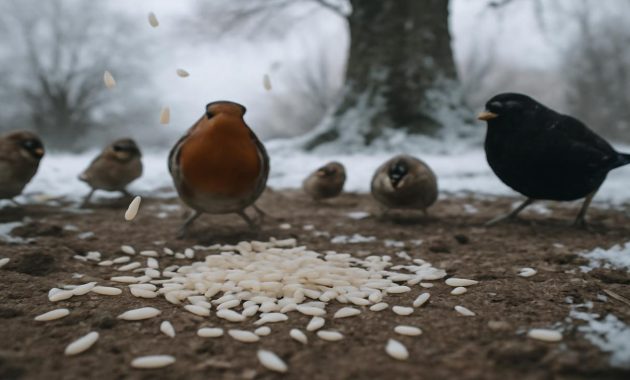
The first thing you hear is the silence. Not the gentle quiet of a soft morning, but the padded hush that comes when snow presses down on everything – fence posts, shed roofs, the backs of sleeping shrubs. You open the back door and cold rushes in like a living thing. The lawn is stiff with frost, the birdbath a solid disk of ice. And there, under the apple tree, a robin hops restlessly, tipping its head, probing the frozen soil with a beak that meets nothing but iron-hard ground.
It’s in moments like this – the world locked in a cold snap – that the garden’s smallest residents are at their most vulnerable. The insects have disappeared, worms are buried deep beyond reach, and the usual buffet of berries and seeds has grown sparse and unyielding. As you watch the robin hop a little faster, wings flicking in frustration, you feel it: the quiet, insistent tug of responsibility.
According to the RSPCA, that tug is not misplaced. During weather like this, a little human kindness can make the difference between life and death for robins and other garden birds. And, remarkably, one of the simplest, most effective things you can do is walk straight into your kitchen, open a cupboard, and reach for a humble household staple: the bag of oats.
A Cold Garden, A Hungry Robin
The robin is so familiar it’s almost like a seasonal decoration – the bird on Christmas cards, perched in snow-dusted holly, chest glowing like an ember. But the real robin, the one hopping now under your bird feeder or along your garden path, is no decoration. It’s a small, warm body burning through energy at an astonishing rate.
On a mild day, this doesn’t matter too much. The ground is soft, insects are moving, and robins can snatch a beetle here, a worm there, a scatter of seed from a feeder. But when temperatures drop and stay low, every hour is a calculation: how much energy is spent searching, and how much is gained in food? Lose that calculation for a few days in a row, and a bird that was bright and busy at breakfast can be gone by the end of the week.
Robins, in particular, are classic ground-feeders. They’re not built like acrobatic tits that swing from feeders or cling effortlessly to mesh fat balls. Robins prefer what’s underfoot – crumbs, insects, bits of fruit, tiny invertebrates. When snow and ice seal off the soil, their table is effectively cleared. That’s where we come in, and where the RSPCA’s winter advice sharpens to a very practical point: help them by putting food exactly where they’re used to looking – on the ground.
The Humble Kitchen Staple That Can Save Lives
The RSPCA strongly recommends scattering a pantry regular – oats – on the ground to support robins and other garden birds during a cold snap. It sounds almost too simple, the sort of tip that belongs in a cosy magazine sidebar rather than a serious winter survival guide. But there’s something quietly profound about it: you, your kitchen cupboard, and a bird fighting the cold, all connected by a small, pale flake of grain.
Oats are a near-perfect emergency food for many common garden birds. They’re soft enough for small beaks, energy-rich, easy to digest, and familiar in texture to the seeds and grubs birds would naturally pick from the soil surface. Scatter them lightly over a patch of ground or a low table, and they transform an icy, sterile patch of lawn into a lifeline.
What the RSPCA stresses, though, is the importance of using the right kind of oats and offering them in a thoughtful way. In a world where breakfast aisles are full of sachets and flavoured mixes, this is not the time for maple syrup, chocolate, or “golden crunch.” Birds need the plain, old-fashioned stuff: unsweetened, unflavoured porridge oats.
And they need them now – while the frost holds, while the ground stays stubbornly locked. Reaction speed matters for a creature that can lose up to ten percent of its body weight on a very cold night.
How to Feed Oats Safely (and What to Avoid)
Step out again into that cold garden. The air pinches the inside of your nose; your breath fogs in front of you. This is how you do it, simply and safely, with that pack of oats in your hand.
| Do | Don’t |
|---|---|
| Use plain, unsalted, unflavoured porridge oats. | Don’t use instant oats with sugar, flavours, or toppings. |
| Scatter a thin layer on the ground or a low tray. | Don’t pile oats in big, damp clumps. |
| Offer small amounts twice a day during very cold weather. | Don’t put out more than birds can eat in a few hours. |
| Combine oats with other suitable bird foods for variety. | Don’t rely on oats as the only food source long term. |
| Keep feeding areas clean and move them occasionally. | Don’t leave mouldy or stale food lying around. |
Walk to a sheltered spot – perhaps a bare patch near a hedge, the corner by the shed, or the edge of the patio where birds already like to hop and inspect. With your fingers, sprinkle a light handful of oats over the surface, as though you’re salting a dish you really care about. You’re aiming for a gentle scatter, each flake separate, easy for a beak to see and pick up.
Avoid deep snow where the oats will vanish, uneaten. If snow is thick, brush a small patch clear or use a shallow tray, plant saucer, or an upturned bin lid. A raised slab or old chopping board can serve as a makeshift ground-table, keeping food just above the worst of the damp.
There are a few things the RSPCA would firmly prefer you to skip. Don’t soak oats into a sticky paste – porridge that clings can gum around beaks and feathers. And don’t be tempted by “human treats”: salted porridge mixes, granola, sweetened muesli, or oats with chocolate pieces are all unsuitable. Birds are exquisitely lightweight; what feels like a tiny amount of salt or sugar to us can be a serious problem for them.
Other Foods That Turn Your Garden into a Winter Refuge
Stand still for a minute after you scatter those oats. You might notice that the robin isn’t alone out there. A blackbird flicks leaves from the base of the hedge. A dunnock ghosts along the path, quiet and low. A handful of sparrows descends like brown confetti onto the patio. While oats are a wonderfully useful emergency staple, the RSPCA also encourages variety – just as we wouldn’t thrive on one food alone, neither do they.
You can build a small but powerful winter buffet from simple foods you probably already have:
- Sunflower hearts and mixed bird seed: Ideal for feeders and ground trays, they offer dense energy and appeal to many species.
- Unsalted, finely chopped peanuts: High in fat and calories, but always make sure they’re specifically for birds, unsalted and aflatoxin-free.
- Grated mild cheese: Scattered sparingly, it’s especially appreciated by robins and blackbirds.
- Soft fruit leftovers: Bruised apples or pears, cut up and placed on the ground, can be a winter luxury for thrushes and blackbirds.
- Fat balls and suet blocks: Hang them away from cats and foxes; these are like tiny energy bricks for tits, starlings, and woodpeckers.
Each of these foods does something slightly different: fats keep birds warm, seeds and grains offer long-burning energy, fruit provides quick sugars. Oats sit beautifully among them – an easy, storable, instantly usable option that you can deploy in seconds when frost bites hard or snow falls unexpectedly overnight.
Water matters too. A frozen birdbath is as useless as an empty one. The RSPCA recommends gently pouring a little warm (not boiling) water onto the ice to melt it, or placing a small floating object like a ping-pong ball so moving air keeps a patch open longer. Birds need to drink even in the cold, and many rely on liquid water to keep their feathers in good order for insulation and flight.
Watching the Garden Come Back to Life
The first time a robin discovers the oat scatter, it may come cautiously. It lands a little distance away, tilts its head, and waits. The faintest movement of its throat shows it’s breathing quicker than you’d think. Then, light as a falling leaf, it hops forward. One peck, two, three – and suddenly it’s feeding with focused urgency, tiny breast puffed out, legs braced delicately in the frost.
There’s something deeply grounding about that sight. In a world of streaming screens and digital noise, the quiet drama of a small bird eating something you’ve offered can feel almost shocking in its simplicity. The RSPCA’s recommendation to use oats is rooted in science and welfare, but the effect in your heart is something else – a reminder that your patch of the planet is shared territory, not simply personal property.
As the days go by and the cold snap lingers, you begin to recognise individuals. The bolder robin that comes first. The blackbird who prefers fruit chunks to grain. The shy dunnock that only dares to dart in when the others have paused. They become, if not quite acquaintances, then familiar presences – part of your morning and late-afternoon rhythm. Kettle on, coat zipped, oats in hand, you step out into the raw air and scatter another lifeline.
This is the sort of quiet action that never makes headlines. No one will applaud you for it, and perhaps no one else will even know. But the RSPCA’s winter guidance is clear: these small acts – the extra handful of food, the unfrozen birdbath, the attention to safe, suitable kitchen staples – add up to real, measurable survival for countless birds across towns, cities, and countryside.
Little Acts, Lasting Impact
Inside, you might be checking the forecast every hour, wondering how long the cold will last, how the roads are coping, whether the boiler will hold out. Outside, the calculations are more immediate and more stark. For a robin, a wren, a blackbird, each night is a question: did I eat enough before dusk to make it through to dawn?
That’s why consistent feeding matters. The RSPCA emphasises that once you start offering food in harsh weather, it’s important to keep it going regularly, especially at first light and in the late afternoon. Birds quickly learn to depend on reliable sources. Pulling away that support abruptly – particularly during the most severe cold – can leave them stranded, having spent precious energy flying to a place that no longer feeds them.
But consistency doesn’t have to mean complexity. Oats store easily in a jar or tub in your kitchen. They don’t freeze solid, don’t spoil quickly, and don’t require special equipment. In the time it takes your toast to brown, you can have a scattering of oats out in the garden, ready for the first fluffed-up robin of the morning.
And beyond the immediate crisis of a cold snap, there’s a wider, subtler benefit. By feeding birds, especially in winter, you’re contributing to their overall survival and breeding success. A robin that makes it through a punishing February is a robin that may raise chicks in your hedge come spring. The blackbird that learns your garden is a safe, generous space might return year after year. Over time, your small patch can become part of a quiet network of refuges stitched across the country – thousands of gardens, balconies, and courtyards collectively softening the impact of harsh weather and shrinking wild spaces.
So the next time frost paints the windows and the garden looks like it’s been dipped in sugar, remember that the solution is often closer than you think. The RSPCA’s strong recommendation to scatter a simple, common kitchen staple – plain oats – is not just about convenience. It’s about using what you have, where you are, to alter the fate of a bird whose entire life could fit into the palm of your hand.
Step outside. Feel the cold. Listen to the thin, bright calls from the hedge. Then open your hand and let the oats fall, pale against the dark soil or cleared paving. You won’t hear the word for it in birdsong, but make no mistake: out there, in the crisp air of your winter garden, this is what kindness looks like.
Frequently Asked Questions
Can I feed birds oats every day?
Yes, you can feed birds plain porridge oats daily, especially during a cold snap. However, they should be part of a mixed offering that includes seeds, suet, and other suitable foods so birds get a varied diet.
Are all types of oats safe for birds?
No. Stick to plain, unsweetened, unflavoured porridge oats. Avoid instant flavoured sachets, granola, muesli with added sugar, salt, or chocolate, and any oats cooked into sticky porridge.
Will oats attract only robins?
Robins are enthusiastic oat-eaters, but you’re likely to see other birds too, such as blackbirds, dunnocks, sparrows, and sometimes finches. Many ground-feeding species will take advantage of oat scatterings.
How much should I put out at once?
Offer just a small handful at a time – roughly what you could close your fingers around comfortably. The aim is for birds to clear it within a couple of hours, so it doesn’t get damp, mouldy, or attract pests.
Should I put oats in a feeder or on the ground?
For robins and other ground-feeders, scattering oats on the ground or on a low tray works best. Choose a sheltered spot, away from heavy snow and as safe from cats as possible.
What time of day is best to feed birds in winter?
First thing in the morning and late afternoon are especially important. Birds come out of the night hungry and need to refuel quickly, and they also need good energy reserves before dusk for the cold hours ahead.
Is it okay to stop feeding once the weather warms up?
You can reduce the quantity once natural food becomes more available, but avoid stopping suddenly during a cold spell. Many people choose to continue lighter feeding year-round, which can still benefit birds outside of harsh weather.