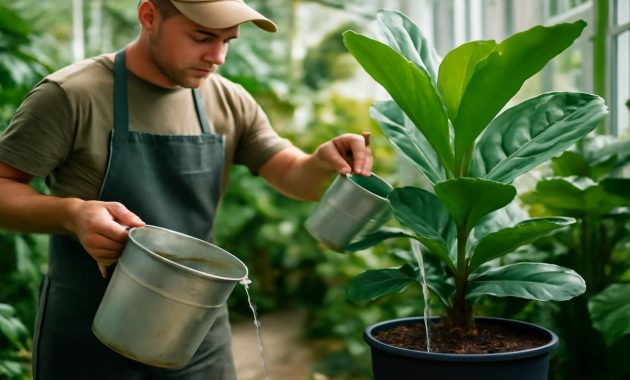
The goldfish didn’t have a name, but it had a secret superpower that nobody in the house had noticed yet. Every Sunday morning, Mara would drag a pale-blue bucket to the aquarium, sigh, and start siphoning out the cloudy water. It was a small ritual of guilt and boredom: dump the “dirty” water down the drain, refill with clean, and get on with the weekend. One day, in the dazed half-sleep of early morning, she set the bucket down beside a row of drooping potted herbs on the balcony instead of aiming straight for the bathroom. The basil was yellowing, the mint limp from neglect. On impulse, she lifted the sloshing bucket and poured the tank water into the soil.
By Wednesday, the basil looked…different. Greener. Thicker somehow. By the following Sunday, the mint had exploded into a mini jungle. That bucket, she realized, had not been filled with waste at all. It was liquid plant food.
The “Dirty” Water Plants Dream About
For decades, aquarists have watched their fish glide lazily through filtered glass worlds, certain that the cloudy water they siphon off each week is something to be ashamed of. It’s evidence, they think, of overfeeding, poor filtration, too many fish. The reflex is always the same: get rid of it, fast. But gardeners are looking at that same cloudiness with a very different expression—something between curiosity and hunger.
What fish waste really is, stripped of our squeamishness, is a nutrient solution. Every tiny bit of uneaten food and every pinch of fish poop breaks down into forms of nitrogen, phosphorus, potassium, and trace minerals. You know, the same lineup you see on the back of a bag of fertilizer at the garden center—NPK, plus the micronutrient supporting cast. Where aquarium owners see “gross,” gardeners see “gold.”
Walk into a serious organic gardener’s backyard and mention you’ve got an aquarium. Watch their eyes light up. “You’re throwing the water away?” they ask, half in disbelief, half in horror. It sounds dramatic until you understand what’s in that water: a low-dose, naturally brewed fertilizer solution that plants can actually use, delivered in the exact form that roots crave—dilute, gentle, and already biologically active.
It’s not just hobby gardeners whispering about this. Researchers and ecologists have long known that aquatic systems and terrestrial plants are entangled in a nutrient dance. Fallen leaves feed pond life; fish and microorganisms process those inputs; water rich in nutrients leaches into surrounding soil, feeding shore plants that often grow lusher than their inland neighbors. What home aquarists have, unknowingly, is a tiny version of this ecosystem in a glass box—and a weekly habit of dumping its richest product straight into the sewer.
The Science in a Bucket: Why Aquarium Water Works
Stick your nose close to a tank right before a water change and there’s that unmistakable scent: earthy, a little musty, faintly like a pond after rain. That smell is the invisible army doing its quiet work. In every healthy aquarium, billions of bacteria are constantly breaking down fish waste and food particles. In the process, they create compounds that plants can drink like a smoothie.
Here’s what usually builds up in used aquarium water—and why your garden loves it more than you do:
- Ammonia, nitrite, nitrate: Fish release ammonia. Bacteria in the tank convert ammonia first into nitrite (toxic to fish), then into nitrate (far safer and a fantastic nitrogen source for plants). Nitrate is a key component of leafy growth—that lush, deep green every gardener chases.
- Phosphorus and potassium: Uneaten food and waste also release phosphorus (helping roots and flowers) and potassium (vital for plant resilience and overall health) as they decompose.
- Micronutrients: Tiny amounts of iron, calcium, magnesium, and other trace elements from fish food, décor, and tap water accumulate in a delicate cocktail. Plants need these in tiny doses but absolutely depend on them.
- Beneficial microbes: The same bacteria that keep your fish alive can help “wake up” tired soil, making nutrients more available and improving soil structure over time.
The result is not a harsh, synthetic fertilizer spike, but a mild, slow-acting nutrient infusion. Gardeners are discovering that when they swap out plain tap water for aquarium water, plants respond with surprising enthusiasm: greener leaves, more vigorous growth, and a palpable sense of “aliveness” in the soil. It’s like giving your plants a compost tea that brews itself every single week.
From Tank to Tomato: Simple Ways to Use Aquarium Water
The genius of this practice isn’t just that it works—it’s how beautifully simple and circular it feels. You don’t need special gadgets or complex systems; you just reroute where that water goes.
1. Watering Container Gardens and Houseplants
Containers are the most obvious winners. Potting mixes, no matter how rich they start, gradually lose nutrients with each watering as minerals wash out the drainage holes. Aquarium water steps in as a gentle replenisher.
When you do your regular water change—whether it’s a 10-gallon scoop from a big tank or a couple of buckets from a small one—simply bring that water to your balcony pots or indoor jungle. Pour slowly at the base of each plant. The soil will filter out any tiny particles; the roots will do the rest.
If your plants are young, sensitive, or recently repotted, you can dilute aquarium water with about 50% fresh water the first couple of times. Once you see how they respond, you can adjust. Many gardeners never bother diluting at all, especially for outdoor pots.
2. Feeding Vegetable Beds
Out in the vegetable patch, aquarium water is like a weekly kindness. Tomatoes, peppers, leafy greens, even strawberries respond visibly. Many gardeners reserve their tank water for the hungriest crops—the ones that appreciate a gentle but regular nutrient drizzle.
For in-ground beds, it’s wise to spread the love. Pouring all 10 or 20 gallons into a single spot could overload that area over time. Move systematically down the row, giving each plant a share. If you’re rotating crops seasonally, aquarium water becomes a subtle, ongoing soil builder rather than a quick fix.
3. Reviving Sad Herbs and Tired Soil
Remember Mara’s balcony? That story repeats itself across countless apartments and porches: failing basil suddenly resurrected, cilantro deciding to live a little longer, rosemary thickening from scraggly to robust. Herbs in particular often suffer from nutrient-depleted potting soil and irregular feeding. Aquarium water steps in as a kind of steady multivitamin.
If you’ve got a pot of soil that’s seen better days—maybe it hosted last year’s annual flowers and has been crusting over all winter—start “priming” it with aquarium water several weeks before replanting. Even without roots in place, the soil biota respond, waking up, multiplying, and preparing a richer, friendlier home for the next generation of plants.
4. Seedlings and Young Plants
Seedlings can be fussy. Give them too strong a fertilizer and they keel over; give them too little and they stall out. Mildly diluted aquarium water can thread this needle beautifully. A 1:1 mix of tank water and fresh water offers just enough nutrition to nudge them forward without burning their delicate roots.
Use a small watering can or a spray bottle to moisten the seed trays from below if possible, so fragile stems aren’t knocked over. Once seedlings are a few weeks old and have their second set of “true” leaves, they can usually handle undiluted aquarium water just fine.
Not All Tank Water Is Created Equal
Here’s where the story gets more interesting, and where experts perk up. While the basic idea of using aquarium water in the garden is elegantly simple, the details of your tank matter. Some aquarium water is garden gold; some needs a little caution.
| Aquarium Type | Garden Friendliness | Notes |
|---|---|---|
| Freshwater, lightly stocked, no meds | Excellent | Ideal for almost all plants, indoors and outdoors. |
| Freshwater, heavily stocked, high nitrates | Good with care | Dilute for seedlings and salt-sensitive plants. |
| Saltwater / marine tank | Use with caution | Salts can harm many plants; only suitable for very salt-tolerant species. |
| Tank treated with medications | Avoid temporarily | Some meds and copper-based treatments can damage soil life and plants. |
| Tank with aquarium salt added | Limit use | Occasional use may be fine; avoid repeated use on the same soil. |
Freshwater tanks are the clear champions here. If you’re keeping tetras, guppies, goldfish, bettas, or cichlids in plain freshwater with no recent medication, your water is almost always safe for the garden. The main variable is how concentrated the nutrients are—which tends to increase in heavily stocked or infrequently changed tanks.
Saltwater aquariums, on the other hand, introduce salinity concerns. Sodium and other salts can build up in soil, eventually interfering with water uptake and damaging roots. If you’re tempted to use marine tank water, reserve it for very salt-tolerant plants and never on the same spot repeatedly. Most home gardeners simply skip it.
Then there’s the medication question. Many fish treatments, especially those containing copper or formalin, aren’t things you want to pour into living soil. If you’ve treated your tank recently, play it safe: send that water down the drain for a few weeks until things are back to normal.
What Shocked the Experts
When horticulturists and soil scientists first looked closely at what home aquarists were quietly doing with their water changes, the reaction wasn’t disbelief that it worked. That part made sense. What surprised them was how dramatically some plants responded—and how consistent the anecdotal stories were.
Veteran gardeners, who’d been adding compost and slow-release organic fertilizers for years, suddenly saw jumps in growth they hadn’t expected from something so…casual. Potted citrus flushing with new leaves. Spider plants sending out pup after pup. Parsley holding on through the kind of heat that usually wipes it out.
Experts were also struck by what this simple habit revealed about household “waste” systems. You’ve got a living aquarium on the counter, a windowsill full of basil, a compost bin quietly steaming in the corner, and a civilization that generally keeps those things in separate mental boxes. Yet here’s this effortless little closed loop anyone can build: nutrients go into fish food, pass through fish, enter water, then land back in soil where a new form of life puts them to work again.
In a world that wastes staggering amounts of resources flushing them away, the elegance of using aquarium water in the garden feels almost subversive. No special tech, no subscription service, no branded bottle—just a decision, in the space between tank and drain, to turn a “problem” into a gift.
Turning Routine into Ritual
Once you start, the pattern of your water-change days shifts slightly. The bucket no longer makes a beeline for the bathroom. Instead, you step out into the air, where the light turns the water’s faint tea color into something oddly beautiful. Maybe there’s a bird calling from a neighboring roof. Maybe the tomatoes lean just a little toward you as you approach, their leaves smelling green and sharp when you brush past.
Some aquarists swear their plants begin to “anticipate” water-change days. Maybe it’s just our human tendency to see patterns, but it feels like a shared rhythm. Fish get fresh water, plants get fish water, you get a moment of quiet satisfaction that the cycle made sense this time.
Your hands remember the sequence: siphon into bucket, carry carefully, pour at the base, listen to the soft glug as soil drinks it in. On hot days, steam rises from dark beds as the cooler tank water soaks down. In winter, indoor houseplants perk up a little against the window’s cold edge, the aquarium’s warmth and life now threaded invisibly through their potting mix.
Some people begin to plan their gardens around this new resource. A small 20-gallon tank might comfortably “feed” a balcony full of herbs and a cluster of indoor plants. A 75-gallon community tank could support a rotating cast of potted tomatoes, peppers, and leafy greens all summer long—water changes becoming a kind of scheduling anchor for plant care.
What starts as a clever trick becomes a way of seeing: the aquarium isn’t just an isolated display of life behind glass; it’s a living node in your home’s ecosystem, connected by buckets and intention to the soil that feeds you back.
Frequently Asked Questions
Can I use aquarium water on all plants?
Most freshwater aquarium water is safe for the majority of plants, especially outdoor and container plants. For very sensitive plants or seedlings, start with a 50:50 mix of aquarium water and fresh water and watch how they respond. Avoid using medicated or very salty water on any plants.
How often should I water plants with aquarium water?
Use aquarium water whenever you do a water change—weekly, biweekly, or monthly—replacing a regular watering. Between changes, you can water with plain water as needed. There’s usually no need to add additional fertilizer every single time if your plants are responding well.
Is dirty aquarium water better than commercial fertilizer?
It’s different rather than strictly “better.” Aquarium water is milder and less likely to burn roots, and it carries beneficial microbes. Commercial fertilizers can deliver higher, more targeted nutrient doses. Many gardeners use aquarium water as a regular base feed and only supplement with other fertilizers if specific deficiencies appear.
Can I store aquarium water for later use?
You can store it for a short time—up to a couple of days in a covered container—but the fresher the better. Over time, some nutrients may change form, and the water can begin to smell stronger as it sits. Ideally, take the bucket straight from tank to soil.
Is it safe to use aquarium water on edible plants?
Yes, as long as the tank hasn’t been treated with harmful medications or chemicals and isn’t excessively salty. The nutrients in aquarium water are similar to those in organic fertilizers. Always wash produce before eating, as you normally would.
What about water from cleaning the filter?
Rinsing filter media in a bucket of tank water is common practice. That murky rinse is rich in bacteria and fine particles. You can pour it around outdoor plants or into compost, but avoid using very sludge-heavy water directly on delicate houseplants or seedlings. If it’s extremely dirty, dilute it or spread it over a larger outdoor area.
Can this replace all other plant food?
For light feeders and many houseplants, regular aquarium water may provide enough nutrition on its own. Heavy feeders like tomatoes and flowering annuals might still benefit from occasional additional fertilizer or compost. Let your plants be the guide—if growth is pale or slow despite regular aquarium water, consider supplementing.
Next time you stand over a bucket of murky tank water, pause. Instead of asking, “How fast can I get rid of this?” ask, “Who in my garden is thirsty for this story?” The answer, it turns out, might be just about everything that grows.