The woman in the crimson raincoat is at it again.
It’s a gray Tuesday morning, the kind that makes the whole street feel drowsy, and there she is, standing at the bus stop with raindrops beading on her eyelashes, laughing with the driver like they’re old friends. She’s got hiking poles strapped to her backpack, paint on the cuff of her sleeve, and a grocery bag that clinks faintly with what is unmistakably a bottle of good wine.
“Seventy-three,” she said last week, when the teenager with the skateboard finally blurted out the question everyone was thinking. “And I’m just getting interesting.”
The boy had grinned, shaking his head. “Man,” he murmured, almost to himself, “I hope I’m like that when I’m older.”
That sentence hangs in the air more often than we realize. You’ve probably said it yourself, watching some silver-haired stranger glide past on a bicycle, or listening to a white-bearded man tell a story with the timing of a seasoned comic. There are people in their seventies who move through the world with a kind of grounded lightness that turns heads—not because they look young, but because they look deeply, vividly alive.
This isn’t about pretending you’re forty. It’s about being the kind of person who makes younger people secretly take notes. And if you’re wondering what they’re doing differently—what choices stack up over the years to create that kind of presence—there are patterns. Here are nine things you should still be doing at 70 if you want people, someday, to look at you and think, with genuine admiration: I hope I’m like that when I’m older.
1. Keep Saying “Yes” to New Things (Even Small Ones)
There’s a particular look people get when they’ve stopped expecting their life to surprise them. It’s a kind of quiet shutting down, like their world has shrunk to the edges of their favorite chair. The people we admire at 70, though? They have something different in their eyes—an alertness, a spark. Curiosity.
Not the flashy, “I just booked a solo trip to Antarctica” kind of curiosity (though good for you if that’s on the table), but the everyday, accessible kind. Saying yes to learning the new bus route app. Yes to trying Ethiopian food for the first time. Yes to going to that neighborhood concert even though you don’t recognize a single band name on the poster.
At 70, nobody expects you to be the one signing up for a clay workshop or trying stand-up paddleboarding at the lake. But when you do, people notice. They watch you accept the wobbles, the not-knowing, the “I’m probably going to look silly” moments—and they relax about their own.
There’s nothing performative about it. You simply stay in the habit of stretching your boundaries by inches: a new trail, a new series of books, a new way of making soup. You don’t have to reinvent your life every January. Just refuse to let it calcify.
2. Move Your Body Like It’s a Long-Term Relationship
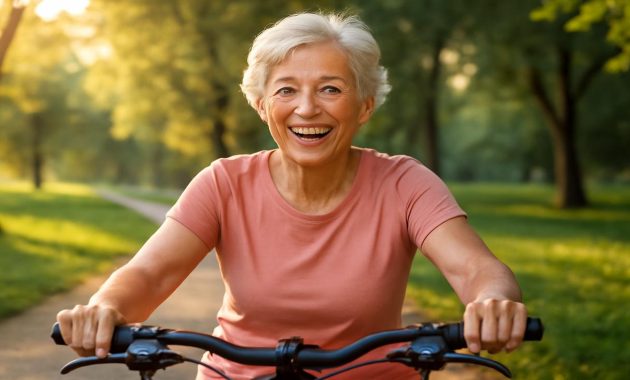
You can tell, often from a distance, who has kept some kind of movement in their life. It shows up in the way they step off a curb, the way they arrange themselves into a chair, the way they twist to look behind them. There’s a kind of lived-in agility that whispers: I’ve been taking care of this body, imperfectly but consistently, for a long time.
At 70, it’s not about six-packs or personal bests. It’s about respect. You walk because the world looks different when you move through it on your own two feet. You stretch because you like being able to pull on your socks without wincing. You lift light weights or grocery bags or grandkids because strength feels like a quiet form of freedom.
Imagine yourself in a park: cool air against your cheeks, gravel crunching under well-worn shoes. Maybe you walk alone. Maybe you walk with a dog who stops at every tree. Maybe with a friend who updates you on her latest family drama. It doesn’t matter. What matters is that your knees still remember what it’s like to climb a hill and your lungs still remember what it’s like to deepen.
People notice that. They see you taking the stairs when you could take the elevator. They watch you stand up without making it a grand production—and something in them quietly files that away as possible. You become, without trying, a living argument for the slow, stubborn discipline of daily movement.
3. Keep a Seat at the Table with Younger People
The people everyone wants to become at 70 don’t live in a generational bubble. They might have white hair and a pension, but they also know which songs their teenage neighbor plays on repeat, and they’ve listened carefully enough to have an opinion about them.
There’s a humility in this. It’s tempting, as the years accumulate, to treat your memories like the only real era, the golden standard against which everything else falls short. But the elders we gravitate toward don’t do that. They’re interested in the world as it is now, not just as it was when they were 25.
That doesn’t mean pretending to love every trend. It means asking questions instead of dismissing. Sitting at the picnic table with your granddaughter’s friends and actually listening when they talk about the game they’re designing, or the climate march they went to, or the weird meme you don’t understand yet.
At seventy, you can still:
- Invite younger neighbors over for coffee and stories, both ways.
- Ask a 20-something coworker to show you how their favorite app works.
- Offer your backyard or your kitchen table as a gathering spot, not a museum.
When people see you as a bridge rather than a locked gate between generations, admiration comes naturally. You feel less alone—and so do they.
4. Hold onto a Passion That Makes Your Eyes Light Up
There’s something unforgettable about watching a 70-year-old talk about something they love. Their body shifts forward. Their hands start sketching shapes in the air. It might be orchids or jazz or old train stations or bread baking, but the energy is the same: a living thread of fascination they’ve followed for years.
The exact passion doesn’t matter. What matters is that it’s alive, not just a framed certificate from the past.
| Type of Passion | What People Notice at 70 |
|---|---|
| Creative (painting, writing, music) | Your willingness to keep improving, sharing, and playing. |
| Physical (hiking, dancing, swimming) | Your energy and comfort in your body, even with limitations. |
| Intellectual (history, languages, astronomy) | Your curiosity and refusal to stop learning. |
| Community (volunteering, mentoring, gardening groups) | Your sense of purpose and connection to others. |
Think about the last time you lost track of time doing something. Maybe it was kneeling in the dirt, teasing out weeds between rows of green; maybe it was sorting old photographs, the past rising up like a tide. The people we admire in older age, they still let themselves fall into that kind of absorption. They don’t stop just because nobody’s grading them anymore.
The secret is not to be “good enough” by some external standard. The secret is to care so obviously and joyfully that people watching can’t help but think: I want something in my life that makes me feel like that when I’m seventy.
5. Keep Telling the Truth about Aging (Without Bitterness)
The older adults people quietly idolize don’t pretend aging is easy. They talk about the knee that clicks in the morning, the friend they miss, the word that sometimes slips their mind. But there’s a difference in the way they carry those truths: with a kind of spaciousness instead of tight resentment.
At 70, you’ve earned the right to be honest. When someone asks how you’re doing, you don’t have to paste on the fake “Fine!” of earlier decades. Yet the way you frame your answer matters—especially to younger eyes watching you for clues about their own future.
You might say: “I walk a little slower these days, but I notice more. You’d be surprised how many kinds of moss are on that wall over there.” Or, “I forget names sometimes. I write more things down. It’s annoying, but it’s also pushed me to be more present when I’m with someone.”
You don’t minimize the hard things. You just refuse to make them the whole story.
There is a kind of courage in still laughing at yourself kindly. In still making light plans for next spring’s garden. In still buying concert tickets three months out. Younger folks see that you haven’t stepped out of the river of life, and something in them exhales. The future looks less like a cliff, more like a bend in the path.
6. Keep Showing Up for People (and Let Them Show Up for You)
Ask almost anyone what they admire most about the older person they hope to resemble, and underneath the first answers (“She’s so active!” “He’s so funny!”) there’s usually something quieter: they show up.
They still drag a chair into the sun and really listen. They call on birthdays. They remember that you once mentioned loving apricot jam and, months later, hand you a jar they found. They are not perfect—some days they’re tired, some days they’re cranky—but across the long arc, they stay in the business of caring.
At 70, this might look like:
- Attending the school play, the open mic night, the amateur soccer game.
- Checking in on a widowed neighbor with a pot of soup.
- Being the person a younger friend can call from a parking lot after a bad day.
And just as importantly, you let other people show up for you. You accept the ride to the doctor, the casserole when you’re sick, the help changing the lightbulb. Not with reluctance and apologies, but with the same warmth you offer others.
This mutuality is what makes you admirable, not pitiable. You’re not the stoic martyr or the helpless elder; you’re part of a web of giving and receiving. That web is what younger people hope for themselves, even if they don’t have words for it yet.
7. Keep a Sense of Style That’s Actually Yours
Everyone remembers the 70-year-old with the turquoise hat, or the sharp blazer, or the swirling skirts that look like they’ve danced through several decades. Not because the clothes are trendy, but because they are unapologetically theirs.
At some point, you stop dressing for an office, or for school drop-off, or for what the magazines say will make you look thinner. If you’re lucky, you start dressing for how you want to feel. Comfortable, yes—but also playful, elegant, mysterious, practical, or bold.
There’s something quietly thrilling about watching an older person lean fully into their aesthetic. The woman with braids down her back and silver rings on every finger. The man with the perfectly broken-in leather boots and the battered canvas bag he’s been mending for years. The person whose favorite scarf shows up in every season, tied a little differently each time.
Style at 70 isn’t about clinging to youth; it’s about honoring your story. The hiking boots that have seen half a continent, the apron with the faint tomato stains of hundreds of dinners, the lipstick your partner always loved that you still wear just because it makes you smile.
When younger people catch sight of that, what they’re really admiring isn’t the hat or the boots. It’s the sense of self so settled and so free that it can play again, like it did in childhood—only this time with decades of practice in being you.
FAQ
Is it too late to start these habits if I’m already in my seventies?
No. The most inspiring older people aren’t the ones who started “perfectly” at 30; they’re the ones who keep starting over in small ways. You can begin walking more, learning something new, reaching out to people, or reviving an old passion right now, in tiny steps.
What if my health limits what I can do?
Limitations are real, and honoring them is part of aging well. Focus on what’s possible inside your current range: gentle stretches in a chair, short walks, online classes, phone calls, small creative projects. The attitude of engagement matters more than the intensity of the activity.
I don’t feel naturally “social.” Can I still be the kind of older person people admire?
Yes. You don’t have to be an extrovert. Thoughtful one-on-one conversations, written notes, quiet reliability, and small acts of kindness can be just as powerful as big social gestures. Showing up in your own way is what people remember.
How do I stay curious when the world feels so different from the one I grew up in?
Start with questions instead of judgments. Ask younger people what they love, what worries them, what they’re excited about. Sample new music, books, or shows with an open mind. You don’t have to like everything; just stay willing to explore.
What if I feel like I’ve wasted time and only now realize what matters?
Regret is part of being human, but it doesn’t have to be the ending. Use that realization as a compass, not a punishment. Ask: given what I know now, what small, concrete thing can I do differently this week? The people we admire at 70 aren’t those who lived perfectly, but those who keep choosing, day by day, to live fully with the time they have.