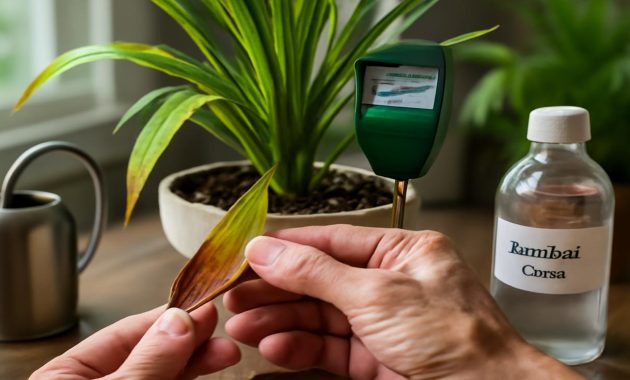
The first time you notice it, you almost feel personally insulted. Yesterday your plant’s leaves were lush, glossy, full of promise. Today, the edges are turning the color of over-steeped tea—dry, brittle, and impossible to ignore. You run your thumb along the crisp border of a leaf and a tiny shard breaks away, falling like a wounded feather onto the potting soil. What did you do wrong? You watered, you fussed, you even talked to it once (when nobody was home). And yet, there it is: brown tips, creeping in like a quiet accusation from the plant you were trying so hard to love.
Why Brown Tips Feel Like a Personal Failure (But Aren’t)
There’s something disheartening about brown tips. Unlike a dramatic, sudden leaf drop—which you can blame on that one weekend away or a forgotten watering—brown tips show up slowly, almost smugly. Every week there’s a bit more damage, a tiny darkening at the edge, a widening halo of beige, like burnt marshmallow around the rim of a leaf.
Many people assume brown tips are a death sentence or a sign they have no “green thumb.” But brown tips are less like a terminal diagnosis and more like your plant clearing its throat to say, “Listen, something here isn’t quite right.” They’re an early warning system, a symptom—not the root cause.
And here’s the real, oddly comforting truth: brown tips are almost always a stress response to the environment you’re providing… which means they’re fixable. Once you understand what your plant is trying to tell you, those crispy edges turn into clues, not accusations.
The Not-So-Secret Villains: Water, Air, and Light
If your plants could file complaints, most of them would fall under a few categories: “My water tastes weird,” “The air is too dry,” “I’m drowning,” or “This sun is a lie.” Brown tips usually begin with one of three big environmental culprits—water quality, humidity, or overall moisture balance—sometimes tangled together like a mystery that needs untangling leaf by leaf.
1. When Your Tap Water Is the Quiet Saboteur
You fill your watering can straight from the tap, maybe a little proud of your consistency. But what your plant roots experience can feel more like a chemical cocktail than a refreshing drink. Over time, dissolved salts, chlorine, fluoride, and minerals can build up in the potting mix. The result? Leaf tips that slowly dry out and die, especially on sensitive plants like spider plants, peace lilies, dracaenas, and calatheas.
It often starts subtly: a faint, light-brown edge that expands, especially along the very tip. The rest of the leaf might still look fine, a bit like a book with just the corners singed. You’re watering on schedule, the plant isn’t wilting, and yet… the browning continues.
The science is simple but sneaky. As salts accumulate in the soil, they make it harder for roots to draw in water efficiently. The plant experiences something like localized dehydration at the leaf margins, where water movement is slowest. Those edges dry up first, turning brown, papery, and brittle.
2. Dry Indoor Air: The Desert You Didn’t Know You Built
Walk into your living room on a winter morning. The heater is humming, the air feels “comfortable,” and your plants are sitting quietly by the window. What you might not feel—but your plants absolutely do—is the almost desert-level dryness inside that climate-controlled box you call home.
Many popular houseplants hail from humid understories of rainforests or tropical regions—think ferns, calatheas, prayer plants, and peace lilies. In their native environments, the air around them is often heavy with moisture. Bring them into a home with dry, heated air or relentless air-conditioning, and their leaves react like someone dropped them in a sandstorm.
Brown tips caused by low humidity tend to appear along the edges and between veins, sometimes paired with curling, thin, or slightly wrinkled foliage. It’s not that you aren’t watering enough; it’s that the plant is losing moisture through its leaves faster than its roots can replace it.
3. Overwatering, Underwatering, and the Myth of “Just in Case”
Here’s where things get messy. Many plant owners respond to brown tips by watering more, “just in case.” But more water is not always kinder. In fact, the roots may already be stressed because they’re sitting in soggy soil with poor oxygen, struggling to function. On the flip side, a thirsty plant that’s allowed to completely dry out between waterings can respond with the same symptom: brown, crisp tips.
So how do you tell which is which? Overwatered plants often have leaves that turn yellow and limp before the tips brown. The soil tends to stay wet for days, even a week, after watering. You might notice mold on the soil surface or a musty smell.
Underwatered plants, however, tend to have dry, lightweight soil that pulls away from the container’s sides. The whole plant can look a bit droopy and tired. The tips and edges go brown and crispy, but the leaves feel dry rather than limp.
Both extremes interfere with how well roots deliver water and nutrients to the leaves. The tip of the leaf, being farthest from the roots, is the first to show trouble. You can think of it as the plant’s “canary in the coal mine.”
How to Read the Clues Your Plant Is Giving You
There’s no single cause of brown tips. If you really want to fix the problem, you have to step back and read the whole scene: the pot, the soil, the light, the room, and your habits. It’s less about memorizing a list of “rules” and more about learning to notice.
| What You See | Likely Cause | What to Check |
|---|---|---|
| Brown, crispy tips on otherwise healthy green leaves | Low humidity or mild water quality issues | Indoor humidity, use of tap water, plant species sensitivity |
| Brown tips plus yellowing, limp leaves | Overwatering or poor drainage | Soil moisture level, pot drainage holes, pot size |
| Brown edges, curling leaves, dry soil pulling from pot | Underwatering or intense light | Watering frequency, light intensity, heat sources nearby |
| Brown tips with white crust on soil surface | Fertilizer or mineral salt buildup | Fertilizer schedule, water type, need for flushing soil |
| Patchy brown spots plus brown edges, especially on thin leaves | Light burn or extreme drafts | Distance from windows, vents, heaters, direct midday sun |
Spend a week simply observing. Is the pot heavy or light between waterings? Does the soil stay wet or dry quickly? Is your plant directly in front of a heating vent or pressed up against a bright, hot window? Notice, too, which plants in your space are fine and which seem constantly grumpy. Often, the fussiest ones are just the ones living farthest from the conditions they evolved to love.
Fixing Brown Tips at the Root (Literally)
Once you’ve read the clues, you can start making thoughtful adjustments instead of random guesses. You don’t need to transform your home into a tropical greenhouse—just nudge things closer to what your plant can comfortably tolerate.
Change the Water, Change the Story
If you suspect your tap water is contributing to brown tips, especially on sensitive species, try switching up the water source for a while. Use filtered, distilled, or rainwater if possible. Even simply filling your watering can and letting it sit out overnight can allow some chlorine to dissipate, though it won’t remove minerals or fluoride.
You can also periodically “flush” the soil—about once every few months. Place the pot in the sink or shower and slowly run water through the soil for several minutes, allowing excess salts to wash out of the drainage holes. Let the pot drain completely before returning it to its spot.
Be patient. New growth is your best indicator that the plant is happier. Old brown tips won’t turn green again, but if the fresh leaves are clean and unblemished, you’re on the right track.
Humidity: Creating a Tiny Oasis
For humidity-loving plants, think in terms of microclimates rather than trying to humidify your entire home. Group plants together; their combined transpiration raises moisture in the air around them. Place a tray filled with pebbles and a shallow layer of water beneath (but not touching) the pots, so evaporation gently surrounds the foliage.
A small room humidifier near a plant corner can transform a crispy calathea into a drama queen who finally gets the conditions she’s been demanding. Bathrooms with windows often make ideal refuges for ferns and other humidity-hungry species.
Misting can feel soothing—for you—but it’s not a long-lasting solution for humidity. Mist if you enjoy the ritual, but don’t rely on it as your main fix. Focus on steady, sustained moisture in the surrounding air instead.
Watering with Intention, Not Anxiety
Instead of watering on a strict schedule, water based on what the plant and soil are telling you. Before you reach for the watering can, slide a finger an inch or two into the soil. For most common houseplants, you want the top inch to dry out before watering again. For thirstier plants like ferns, you might only let the top half-inch dry. For succulents, you’ll wait until the soil is dry almost all the way through.
When you do water, do it thoroughly. Water until it flows from the drainage holes, then let the pot drain fully. Avoid tiny “sips” that only moisten the top layer; they encourage shallow roots and inconsistent moisture levels, which can worsen tipping issues.
If you suspect overwatering, check that your pot has drainage holes and that excess water can escape. Repotting into a well-draining mix—often with added perlite or bark—can make an enormous difference. Brown tips caused by root stress may take time to resolve, but as new leaves appear, you’ll see whether your changes are helping.
The Art (and Mercy) of Trimming Brown Tips
Here’s a secret many plant lovers quietly practice: most of those perfectly lush, Instagram-famous plants? They’ve had haircuts. Brown tips trimmed, damaged leaves removed, dried edges reshaped—all in the name of appearance and health.
If the sight of brown tips truly bothers you, you can gently trim them. Use clean, sharp scissors, and follow the natural shape of the leaf. Instead of cutting into the healthy green tissue sharply, angle your cut slightly into the brown area, leaving the smallest possible wound in the living part of the leaf.
Don’t go overboard. A few brown tips won’t harm the plant. In fact, leaves with some damage still photosynthesize just fine. Remove an entire leaf only if it’s more brown than green or clearly dying. Think of trimming as light grooming, not surgery.
What matters more than cosmetic clean-up is that the new leaves emerge healthier. They carry the story of how well your plant is adapting to the changes you’ve made.
Accepting That “Perfect” Plants Don’t Exist
Indoor plants are, by definition, living out of context. The monstera in your living room was never meant to grow in a ceramic pot against a painted wall. The fern in your bathroom wasn’t designed to handle tap water and weekend trips. Brown tips, a yellowing leaf, a bit of lost shine—these are the small costs of a compromise between your life and theirs.
When you start to see brown tips not as a referendum on your ability, but as a conversation—feedback from a living thing trying to adjust—it changes the whole experience. You move from panic to curiosity. From “What’s wrong with me?” to “What is this plant telling me?”
And over time, you begin to notice that the more you pay attention, the more the plants respond. New leaves unfurl smoother, greener, unblemished. Growth slows in winter and quickens in spring. A plant that once sulked in the corner begins to lean eagerly toward the window, leaves catching the light like hands reaching for sun-warmed glass.
Brown tips will still appear sometimes. Life happens. Heaters click on, vacations run long, tap water changes composition, and our attention wavers. But now you’ll know how to read those dry edges. They won’t feel like failure anymore—just a gentle reminder to look closer, listen better, and adjust the tiny world you’re creating leaf by leaf on your windowsill.
Frequently Asked Questions
Should I cut off all the brown tips from my plant?
You can trim brown tips if they bother you visually, but it’s not mandatory for the plant’s health. Use clean, sharp scissors and follow the leaf’s natural shape, cutting mostly in the brown area. Leave leaves that are mostly green; they still help the plant make energy.
Will brown leaf tips ever turn green again?
No. Once a leaf tip has dried and turned brown, that tissue is dead and cannot revert to green. Your goal is to prevent more browning by improving conditions. Look at new growth to see whether your changes are working.
How often should I water a plant that has brown tips?
There’s no single schedule that fits all plants. Instead of watering by the calendar, check the soil with your finger. For most houseplants, water when the top inch of soil is dry. For thirsty plants, water a bit sooner; for succulents, let the soil dry deeper. Adjust based on how quickly your pot dries out.
Can fertilizer cause brown tips on leaves?
Yes. Overfertilizing or using strong fertilizer too often can cause salt buildup in the soil, leading to brown tips and leaf burn. If you notice a white crust on the soil or worsening tips after feeding, reduce how often and how strongly you fertilize and flush the soil with plain water.
Is low humidity always the reason for brown tips?
No. Low humidity is a common cause, but not the only one. Water quality, overwatering, underwatering, excess fertilizer, and even too much direct sunlight can all contribute. Always consider the whole picture—soil, light, air, and your watering habits—before deciding on the cause.
Do some plants just always get brown tips indoors?
Some species are more prone to it, especially humidity-loving plants like calatheas, ferns, and spider plants with tap-water sensitivity. In typical home conditions, they may always show a few brown edges. That’s normal and doesn’t mean the plant is failing, as long as it continues to grow and put out mostly healthy new leaves.
Is it okay to move my plant to the bathroom for more humidity?
Yes, as long as the bathroom has enough light. Bathrooms with a window can be excellent homes for tropical plants that appreciate moisture in the air. Just avoid placing them where they’ll be hit by direct strong sun through the glass or by cold drafts from frequently opened windows.