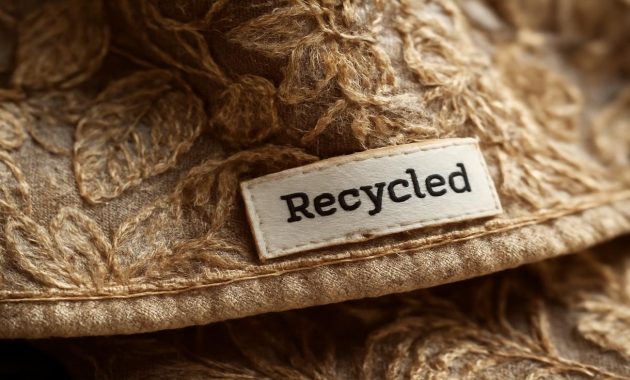
The cameras found her before the speeches did. A shimmer of emerald fabric slid into the frame, familiar yet freshly electric under the chandeliers. Kate Middleton stepped onto the crimson carpet of a high-profile diplomatic reception—another night of handshakes and hushed negotiations—and the room did that quiet, perceptible shift it always does when something beautiful, and slightly unexpected, enters. The surprise didn’t come from a daring new silhouette or a shock of color. It came from recognition. People squinted, then smiled. We’ve seen that gown before.
The Night the Dress Became the Story
At first, it was merely a ripple in the room—stylists murmuring, photographers zooming in, fashion writers mentally scrolling through archives. The Princess of Wales, at a major diplomatic event, had chosen to wear a gown that was not new. The same tailored lines, the same sweeping skirt, the same detailed embroidery catching the light like frost on dark leaves. A dress that had already lived a public life was back for another chapter.
But this wasn’t just any night. It was the kind of scene where every detail is choreographed: the flags in perfect symmetry, the place cards like tiny white boats along a sea of crystal and polished cutlery, the speeches crafted to the syllable. Heads of state and ambassadors moved through the hall, their conversations carrying the low hum of policy, trade, security, climate, war and peace. And in the midst of all that global power-play, the recycled gown quickly became a story in itself.
The cameras didn’t just capture a princess in green; they captured a question: Was this a quiet act of sustainable leadership—or a carefully calculated symbol tailored for the headlines?
The Texture of a “Repeat” in a World of One-Offs
To understand why Kate’s choice had such impact, it helps to picture the choreography of royal dressing. Each public appearance exists under a magnifying glass: every hemline, every color, every accessory can signal respect, solidarity, or subtle distance. Clothes, in this atmosphere, are never just clothes. They’re soft diplomacy, stitched and steamed and scheduled.
The emerald gown—structured shoulders, cinched waist, floor-sweeping skirt—had already appeared at an earlier gala. Fashion watchers remember it as one of those pieces that seemed to belong not to a trend cycle but to a story: rich, almost forest-deep in tone, the fabric moving like water under flashbulbs. When she re-wore it, the dress carried its own history into a new room, like a whisper only some could hear.
In a world where high-profile wardrobes can feel like a relentless conveyor belt of newness, a repeat wear is jarring in the gentlest possible way. It feels almost subversive, though it shouldn’t. It’s the same logic your grandmother might have used before stepping out in her best coat for the third winter running: if something is beautiful and well-made, why should it be confined to one grand evening?
Yet the stakes are different now. This isn’t just about being sensible or sentimental. It’s about what it means to model sustainability in an era when the fashion industry is one of the planet’s heaviest polluters—and when every royal choice is read like a symbol-laden text.
The Sustainability Conversation, Sewn into a Hem
Behind the glow of sequins and silk lies a grittier story: the environmental weight of what we wear. Textile mills along riverbanks, dyes leaching into waterways, carbon-heavy transport that traces each garment’s journey from raw fiber to red carpet. When public figures repeat outfits, they’re not reducing that entire impact to zero—but they are quietly pushing against the culture of disposability.
Kate’s recycled gown immediately became a talking point among sustainability advocates. Social feeds lit up with praise: “This is what leadership looks like,” some wrote, zooming in on the familiar folds of the dress. The argument was simple: in a world that expects infinite novelty from women in the public eye, repeating a gown is a visible refusal of that expectation. It says, this is enough.
Wearing a gown again at a major diplomatic event carries a specific weight. These aren’t casual errands or low-key family outings; this is the theater of state, where opulence is almost an unspoken requirement. By re-choosing a known dress, the Princess is puncturing the illusion that prestige demands constant consumption.
And yet, critics were quick to respond: How much does one repeated gown matter when the machinery of royal life still runs on flights, convoys, and an array of bespoke outfits tailored for different climates, cultures, and ceremonies? Is a recycled gown anything more than a gesture—a green-tinted highlight on an otherwise carbon-heavy page?
The Double-Edged Symbolism
This is the uneasy place where symbolism lives: powerful, necessary, and sometimes maddeningly insufficient. When a royal figure chooses to repeat a dress, it operates on two levels at once. It is both a personal decision and a public performance. It can genuinely reflect a shifting mindset—and, simultaneously, be used as an easy headline in an era hungry for sustainability soundbites.
“Calculated symbolism,” some commentators called it. A choice designed to position the Princess as modern and conscious, without demanding any uncomfortable systemic changes in the institution around her. A way to read the room: sustainability is trending in public conversation, so the wardrobe must keep pace.
And yet, there’s a counterpoint worth sitting with: calculation and integrity are not always opposites. Public figures rarely have the luxury of completely spontaneous choices. Everything is vetted, planned, and double-checked. A dress can be both strategically chosen and sincerely aligned with personal values. The calculation is not necessarily a lie; sometimes it is simply the logistics of being watched.
Inside the Wardrobe: A Quiet Evolution
One way to measure whether Kate’s gown was a one-off stunt or part of a genuine pattern is to zoom out. Over recent years, close observers of the royal wardrobe have noticed an increasing number of repeats: coats reappearing for different engagements, dresses rotated with new accessories, older pieces subtly tailored for a new life. It’s not a revolution, but it is an evolution.
There is, too, a practical intimacy in re-wearing. Clothes that have already been tested in the wild—sat in, walked in, danced in—become familiar tools. A repeated gown suggests comfort: she knows how it moves when she climbs stairs, how it drapes at the table, how it photographs under cinema-bright lights. There’s a grounding in that, a humanizing thread for a woman often treated more like an icon than a person who gets dressed in the morning.
When she chose that emerald gown again, she wasn’t only sending a message to the world. She was stepping into a known skin, bringing with her memories of the first evening it saw the cameras. In this way, the dress becomes more than fabric; it becomes continuity in a life defined by public flux.
How People Read the Dress
From the outside, reception to the choice split along familiar lines—admiration, skepticism, and something in between. In drawing rooms and on sidewalks, across comment sections and office break rooms, people began doing what they always do with royal fashion: using it as a mirror for their own beliefs.
| Perspective | How They Interpreted the Gown |
|---|---|
| Sustainability Advocates | Saw it as modeling slower fashion and challenging the expectation of constant newness. |
| Skeptical Commentators | Viewed it as “green theater,” a symbolic act with limited real-world effect. |
| Royal Supporters | Felt pride in a relatable, frugal, and thoughtful choice by a future queen. |
| Fashion Enthusiasts | Treated it as a masterclass in timeless design and wardrobe longevity. |
What’s striking is that all these readings can exist at once without cancelling each other out. A dress can be a genuine attempt at better behavior, a strategic image move, an aesthetic celebration, and a lightning rod for cynicism—all at the same time. That’s the strange physics of clothing in the public realm: it carries whatever we project onto it.
Leadership in the Age of Small Gestures
If you listen carefully, there’s a deeper question hidden beneath the commentary: What does leadership look like when the problems are too big for any single person to solve? Climate change, resource depletion, overconsumption—these are systems-level crises, not wardrobe malfunctions. Yet we keep circling back to individual acts, like a princess re-wearing a gown, as if they could somehow unlock a way through.
“Symbolism isn’t enough,” some argue, and they are right. A repeated dress won’t cool the planet or scrub rivers clean. But it can do something subtler and, potentially, enduring: it can shift what we see as normal, aspirational, and acceptable. It can make repetition glamorous again. It can remind us that “special” doesn’t have to mean “new.”
Think about the millions of people who will never attend a diplomatic reception but who followed the photos the next day. Maybe they paused, for just a moment, before clicking “add to cart” on a dress they know they’ll wear once. Maybe they remembered that time they felt self-conscious repeating an outfit to a wedding or a work event. Seeing someone at the top of the social hierarchy do it—and do it unapologetically—plants a small, stubborn seed.
Leadership sometimes looks like laws and treaties, but sometimes it looks like quietly normalizing a better habit, again and again, until it no longer draws comment. Kate’s recycled gown might be one frame in a much larger reel of change, but frames accumulate. Over time, they build a story we start to believe.
The Privilege Problem
At the same time, it would be naïve not to recognize the layer of privilege resting over the whole scene. The gown itself is likely custom-made, impeccably tailored, crafted from high-quality materials. Most people do not have the luxury of choosing between five equally stunning dresses in a royal wardrobe. For many, “re-wearing” clothes isn’t a moral stance; it’s simply life.
This is where the conversation about sustainable leadership gets complicated. When wealthy or famous people repeat outfits, they are celebrated for virtues many ordinary people practice by necessity. The praise is uneven; the playing field is not level.
Yet influence doesn’t always operate on fairness. It operates on visibility. To see a Princess of Wales stand in a hall of world leaders, dazzling not because her dress is new but because it is familiar, is to quiet a toxic whisper that has long lived in our collective ear: that status must be proven through constant novelty. If that whisper softens even slightly, the knock-on effects might be more democratic than they first appear.
Beyond the Gown: Where Symbolism Meets Responsibility
So where does that leave this now-famous recycled gown? Suspended, perhaps, in a kind of shimmering in-between—part genuine effort, part polished symbolism, knitted together by a team that understands both media cycles and the urgency of environmental narratives.
The real test isn’t just whether a dress is worn twice. It’s whether the values implied by that choice seep into larger decisions: how tours are conducted, how official events are staged, how procurement works behind palace walls. Does a repeated gown hint at a broader commitment to re-use, repair, and thoughtful consumption? Or does it remain a beautiful, isolated gesture, pulled out of the closet when the optics demand it?
On that diplomatic evening, as dignitaries moved through corridors that smelled faintly of polished wood and floral arrangements, the gown did its work. It sparked conversations over canapés and in comment sections, over kitchen tables and in classrooms. Some admired. Some rolled their eyes. But almost everyone noticed. In a hyper-saturated world where attention is one of our most exhausted resources, that alone is no small feat.
There is a certain poetry in the idea that a single garment can hold so many overlapping truths: luxury and restraint, calculation and conviction, symbolism and sincerity. It is fitting, perhaps, that a dress designed to be worn more than once also holds more than one meaning at a time.
As the night unfolded, the speeches ran long, the glasses chimed, the cameras flashed and eventually dimmed. The emerald gown swished through doorways, up staircases, into cars, and finally into the quiet of a wardrobe where it would hang among its peers: some worn once, some destined for many lives yet. Outside, the world continued its complicated turning: ice shelves melting, forests breathing, cities glowing late into the night.
The question the dress leaves us with is not whether Kate Middleton’s choice was perfectly pure or strategically staged. That binary is too small for the complexity of modern life. The more interesting question is what we do with the image now lodged in our minds: a high-profile woman in a room of power, daring—in a softly defiant sort of way—to say, with her clothes, I don’t need something new to be someone new tonight.
Perhaps real sustainable leadership will never be about flawless heroes or single perfect gestures. Maybe it will look more like this: imperfect people in visible roles, making slightly better choices, again and again, until those choices stop being stories and start being the quiet background of how we all live.
Frequently Asked Questions
Why did Kate Middleton’s recycled gown attract so much attention?
Because royal fashion is closely watched, any deviation from the expectation of constant novelty becomes news. Re-wearing a gown at a major diplomatic event challenged norms around luxury, visibility, and image, especially in the context of growing concern about sustainability.
Is repeating a dress really an example of sustainable leadership?
On its own, it’s a small gesture. But as a visible act by a high-profile figure, it can help normalize outfit repetition, push back against fast-fashion culture, and signal a shift in values. It’s a symbolic form of leadership, not a substitute for systemic change.
Why do some people dismiss the move as calculated or performative?
Critics argue that a single recycled gown doesn’t address the larger environmental footprint of royal life, and that such choices can function as “green theater”—appealing optics without deep structural change behind them.
Does Kate often re-wear outfits?
Yes. Over recent years, she has been seen re-wearing many coats, dresses, and evening gowns, sometimes with small alterations or different accessories. This pattern suggests a broader approach to wardrobe longevity, not just a one-time statement.
Can ordinary people really be influenced by what a royal wears?
Public figures help shape what is considered stylish, acceptable, and aspirational. When someone in a highly visible position normalizes re-wearing clothes, it can make others feel more comfortable doing the same, subtly shifting fashion culture over time.