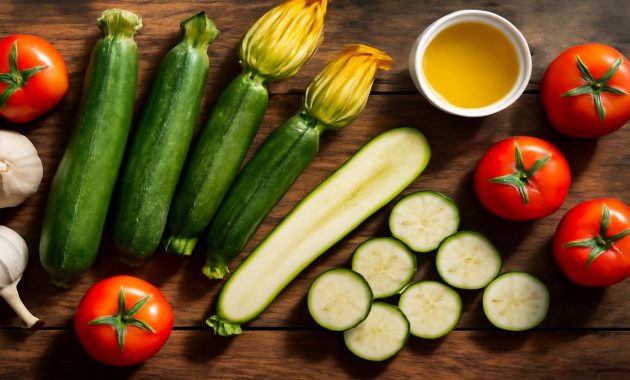
The first time you slice into a courgette still warm from the sun, something almost imperceptible happens. The skin gives with a faint squeak under the knife, revealing a pale, watery flesh that smells of green gardens and early summer mornings. It’s humble and quiet—nothing like the dramatic blush of tomatoes or the swagger of peppers. Yet courgettes, those modest green cylinders often overlooked in the supermarket aisle, are quietly powerful allies for your health. They don’t shout about their benefits; they whisper them, every time you toss a handful into a pan, shave ribbons into a salad, or spoon soft roasted chunks onto your plate.
The Quiet Green Powerhouse
Picture this: a plant that begins with a single yellow flower, the kind that opens like a small sun over dark green leaves. Within days, that flower shrivels and falls, and in its place a slender fruit stretches and thickens, drinking in light and water. That fruit is your courgette—also called zucchini in some parts of the world—a summer squash that seems almost made of water and light.
That watery nature is one of its most underestimated gifts. Courgettes are around 94–95% water, which makes them incredibly hydrating. On a hot day, when your body feels a fraction heavier, when the air presses against your skin, a plate of lightly sautéed courgettes with olive oil and herbs can feel like a glass of water you get to chew. Hydration doesn’t only come in a bottle; it comes on your plate too, sliding from fork to bloodstream, supporting your circulation, your digestion, your skin.
Under that glossy skin, courgettes also offer a quiet chorus of vitamins and minerals—vitamin C, some B vitamins, potassium, manganese, small but meaningful amounts of magnesium and folate. It’s not a nutritional sledgehammer; it’s a steady, gentle drip-feed of goodness. Instead of one dramatic “superfood” nutrient, courgettes are more like a well-balanced orchestra: a little of this, a little of that, combining into harmony.
And then there’s the texture. Bite into a raw slice: firm yet yielding, a crisp snap that releases coolness onto your tongue. That isn’t just pleasant—it slows you down, encourages you to chew, to notice your food. This act of mindful eating can itself support better digestion and satiety, turning a simple vegetable into a small practice of self-care at the table.
Light on Calories, Heavy on Satisfaction
In a world where we’re constantly negotiating our relationships with food—balancing enjoyment, health, and body image—courgettes step in as gentle peacekeepers. They are astonishingly low in calories: around 15–20 calories per 100 grams. That’s less than a small apple. Yet when you slice them thick, sear them in a hot pan until they blister at the edges, and dust them with sea salt, they deliver the kind of satisfaction that often belongs to far richer foods.
The secret lies in their volume and fiber. Courgettes are bulky without being dense, filling your plate and your stomach with very few calories. Fiber, particularly the soluble kind, absorbs water and swells, sending signals of fullness up to your brain. You finish your meal feeling like you’ve truly eaten, not like you’ve nibbled your way through a diet plan.
This makes courgettes valuable partners for weight management or simply for those days when you want to feel light yet nourished. Spiralize them into long, twirling strands and you have a bowl of “zoodles”—courgette noodles that hold sauces like pasta but don’t leave you heavy and sleepy afterward. Roast them in thick wedges with garlic and lemon, and they become comfort food you can eat generously, without the familiar tug of guilt.
Because they absorb flavors so easily, courgettes slide into almost any cuisine without complaint. Mediterranean, Middle Eastern, Asian, Latin American—they’re the adaptable friend who gets along with everyone. That versatility makes it easier to eat more vegetables overall, simply because courgettes never demand a complicated recipe to taste good.
How Courgettes Support Digestive Ease
Down in the quiet lanes of your intestines, courgettes do some of their most important work. Their fiber isn’t harsh or abrasive; it’s soft, like a gentle broom that sweeps through without scratching the walls. That combination of water and fiber encourages regular bowel movements, making courgettes a reliable ally for anyone who struggles with sluggish digestion or occasional constipation.
Within their flesh and skin are different types of fiber that feed the beneficial bacteria in your gut. These microscopic allies thrive on plant fibers, breaking them down into short-chain fatty acids that help keep your colon healthy and your immune system resilient. A bowl of courgette stew, simmered with tomatoes and beans, is not just comfort food; it’s a banquet for your microbiome.
Courgettes are also low in FODMAPs—certain carbohydrates that can trigger digestive discomfort in sensitive people. For many with irritable bowel or similar gut issues, courgettes are a safe, soothing vegetable, especially when cooked. Steam them until just tender, drizzle with olive oil, and you have a side dish that’s kind to an unsettled stomach.
Even the seeds, often overlooked, bring a tiny extra dose of fiber and plant compounds. When you slice a courgette, those pale, soft seeds in the center are not something to discard; they’re part of the whole, a reminder that this food grew from a flower that intended to scatter new life.
A Heart-Friendly Garden Companion
There’s an old wisdom that says what grows easily in the garden often sits easily in the body. Courgettes, thriving in warm beds with generous water and sun, offer a cardiovascular kindness that’s easy to overlook. The first thread of that kindness is potassium, a mineral that helps your body balance sodium and supports healthy blood pressure. Each forkful of courgette is a whisper of help for your heart and arteries, quietly nudging fluid balance and muscle function in a beneficial direction.
Then there’s the fiber again, working a different kind of magic this time. Soluble fiber can bind to some cholesterol in the digestive tract, helping remove it from the body before it ever joins the traffic in your bloodstream. Over time, diets rich in various fibers—from vegetables, fruits, and whole grains—help support healthier cholesterol levels. Courgettes may not be the star of this show, but they’re always ready to play a solid supporting role.
Their skin, the glossy green jacket so often sliced away for aesthetic reasons, is rich in carotenoids and other antioxidants. Lutein and zeaxanthin, for example, are known to support eye health, but they’re also part of a broader team of plant compounds that help counter oxidative stress—a slow internal rusting that affects every system, including your heart. When you eat courgettes with the skin on, especially those with deeper, darker color, you’re taking in a small but meaningful dose of these helpers.
Even the way you cook courgettes can support heart health. When you pair them with olive oil, fresh herbs, garlic, or lemon, you’re layering antioxidants and healthy fats onto a low-calorie, high-water base. It’s a kind of edible architecture: each piece alone is modest; together, they build something strong and protective.
Blood Sugar Balance and Gentle Energy
Imagine your energy as a river. Some foods send flash floods through that river—sudden surges of blood sugar, followed by abrupt drops that leave you tired and craving more. Courgettes are the opposite of that. Their low carbohydrate content, combined with fiber and water, makes them helpful for smoothing the peaks and valleys of energy.
With a low glycemic load, courgettes don’t push your blood sugar up in big spikes. They slow the absorption of sugars from other parts of your meal too, especially when they share a plate with whole grains, legumes, or small portions of starchy foods. That means your body can handle the incoming energy more gradually, reducing the strain on insulin production and making meals more sustainable over the course of a day.
For people managing prediabetes, diabetes, or simply wanting steadier energy levels, courgettes are an easy ingredient to fold into routine meals. Replace part of your pasta with spiralized courgette, toss chopped courgettes into omelets, or layer them into casseroles. They act a bit like a nutritional water current diluting the sugar content of a dish and giving your body more breathing space to process it.
There’s also a psychological calm that comes with these gentle foods. When your meals are built around vegetables that don’t hijack your appetite or your hormones, you’re freed from some of the frantic negotiation over “good” and “bad” foods. Courgettes invite you to eat generously but wisely, to fill your plate with color and texture without the lurking anxiety of numbers and rules.
Skin, Eyes, and the Glow of Green
There’s a particular glow that follows people who eat a lot of plants. It’s subtle—the way their skin seems better hydrated, the clarity of their eyes, the evenness of their energy. Courgettes, though simple, contribute to this quiet radiance.
Vitamin C, abundant in these tender fruits, plays an important role in collagen production. Collagen is like the scaffolding that holds your skin firm and elastic, supporting tissue repair and resilience. While courgettes won’t replace sunscreen or sleep, they’re one more small note in the melody of skin health: helping your body maintain and repair the very fabric that keeps you together.
The carotenoids in courgette skin, including lutein and zeaxanthin, gather particularly in the eyes, where they help filter high-energy light and may protect against long-term damage. Think of them as tiny internal sunglasses, built from the plants you eat. When you grill or roast courgettes with the skin intact and a drizzle of oil, you help these fat-soluble compounds become more available to your body.
Then there’s hydration again—the quiet foundation of so much of our health. A diet rich in water-dense foods like courgettes supports softer, more supple skin from within. Combined with electrolytes like potassium, this hydration also helps reduce puffiness and fluid retention. So that bowl of courgette soup on a warm evening isn’t just filling your stomach; it’s subtly nourishing the surface you show the world.
Nutrients in a Courgette at a Glance
It’s easy to underestimate courgettes because they taste so light and delicate. But if you could zoom down into that crisp flesh, you’d find an organized tangle of nutrients that work together in quiet cooperation.
| Nutrient (per 100 g raw courgette) | Approximate Amount | Why It Matters |
|---|---|---|
| Calories | 15–20 kcal | Very low energy, ideal for generous portions without excess calories. |
| Water | 94–95% | Supports hydration and helps you feel refreshed and full. |
| Fiber | ~1–1.5 g | Aids digestion, supports gut health, and helps with satiety. |
| Vitamin C | 15–20% of daily needs | Antioxidant support, immune function, and collagen production. |
| Potassium | 250–300 mg | Helps regulate blood pressure, fluid balance, and muscle function. |
| Folate & B vitamins | Small amounts | Support energy metabolism, cell repair, and nervous system health. |
| Carotenoids (lutein, zeaxanthin) | Present, especially in skin | Support eye health and act as antioxidants in the body. |
These numbers, while modest, tell a story of balance. Courgettes are not about abundance of a single nutrient; they are about quiet, broad-spectrum support. They slip easily into meals without demanding attention, yet they steadily contribute to hydration, heart health, eye protection, digestion, and gentle energy.
Perhaps that’s the real beauty of courgettes: they invite us to rethink what “healthy food” looks and feels like. It doesn’t have to be exotic or expensive. Sometimes it’s the vegetable that grows explosively in your neighbor’s garden, the one they press into your hands in overflowing bags by late summer. Sometimes it’s the simplest thing on the plate, green and unassuming, carrying more gifts than its soft crunch suggests.
Frequently Asked Questions About Courgettes
Are courgettes better for you raw or cooked?
Both forms have benefits. Raw courgettes retain the maximum vitamin C and a refreshing crunch that’s great for salads. Cooking them gently—by steaming, sautéing, or roasting—can make them easier to digest and may improve the availability of some antioxidants, especially when combined with a little healthy fat like olive oil. A mix of raw and cooked across your week offers the best of both worlds.
Can eating courgettes help with weight loss?
Courgettes can support weight loss or weight maintenance because they are low in calories yet high in water and fiber. They add satisfying volume to meals without adding many calories, helping you feel full and reducing the need for more energy-dense foods. They work best as part of an overall balanced eating pattern, not as a single “magic” ingredient.
Do courgettes cause bloating or digestive issues?
For most people, courgettes are gentle on the digestive system. They are relatively low in FODMAPs and their soft fiber can help relieve constipation. Very large portions of any high-fiber food may cause gas for some people, but compared with many vegetables, courgettes are often well tolerated, especially when cooked.
Is it safe to eat the skin and seeds of courgettes?
Yes. The skin and seeds of young, fresh courgettes are entirely edible and contain valuable nutrients, especially fiber and carotenoids. Wash them well, trim the ends, and use the whole vegetable. Only very large, overgrown courgettes may have tougher skin and more fibrous seeds, which some people prefer to remove for texture reasons, not for safety.
How often should I eat courgettes to get their health benefits?
There’s no strict rule, but including courgettes a few times a week can be a simple way to increase your vegetable intake, hydration, and fiber. Whether you dice them into soups, roast them, spiralize them as a pasta alternative, or eat them raw in salads, regular, varied use is more important than any specific number.