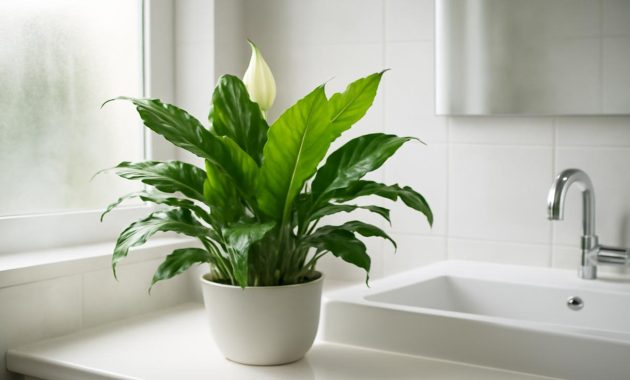
The first time I walked into a bathroom that smelled like a forest instead of a forgotten gym bag, I thought I was imagining it. A soft, cool fragrance—something between eucalyptus and mint—hung in the air. On the windowsill, where other people might keep a scented candle or a wilting orchid, sat a lush green plant with narrow, pointed leaves. The glass was fogged from a recent shower, but the usual black speckles of mold were suspiciously missing from the corners. The owner, an elderly woman with bright, amused eyes, caught me staring and smiled. “It’s the plant,” she said, patting the clay pot. “Peppermint geranium. My tiny bathroom guardian.”
The Quiet War in the Corners of Your Bathroom
If we could see mold growing in real time, we’d probably never leave it alone. It starts quietly, in the shadows: a faint discoloration at the edge of a tile, a smudge beneath the soap dish, a soft musty scent that seems to appear overnight. Most of us accept this as the price of hot showers and closed windows. We fan the room out, crack a window, spritz something lemon-scented from under the sink, and hope whatever chemicals we’re breathing in are at least less dangerous than the black fuzz fringing the grout.
What we rarely pause to consider is that we’re fighting a living organism with cans of synthetic perfume and harsh cleansers that don’t always solve the real problem: an environment that mold loves. Mold thrives where air is still, light is low, and moisture clings to every surface. That describes a lot of bathrooms, laundry corners, and damp basements almost perfectly.
Now imagine bringing in an ally that doesn’t come from a factory. A living, breathing, growing presence that not only tolerates humidity but quietly uses it, shifting the microclimate of the room just enough to make life harder for mold. That’s where a small group of unsung plants steps into the story—starring, increasingly, a humble, strongly scented hero.
The Plant with a Secret: Why Scented Geraniums Are Moving into Bathrooms
Pelargoniums—often called scented geraniums—are the kind of plant you might have walked past at a garden center without really noticing. They’re not always flashy. Their flowers are sweet but modest. Their leaves, however, are where the magic lives. Rub them gently and your fingers light up with fragrance: peppermint, lemon, rose, pine, sometimes even chocolate or nutmeg, depending on the variety. That fragrance isn’t just for human enjoyment. It’s chemistry.
Scented geraniums produce essential oils in tiny glands on their leaves. These oils are part of the plant’s natural defense system, helping ward off insects, fungi, and other threats. For humans, diluted versions of these oils appear in soaps, lotions, and cleaning products. But inside a small, damp room, the plant itself starts to act like the slow, gentle version of a natural diffuser.
In the bathroom I visited that day, the star was a peppermint-scented geranium, one of several Pelargonium species known for their strong, clean aroma. Over time, with consistent moisture and warm air, the plant had become a kind of green sentry. The smell in the room wasn’t overwhelming—more of a subtle, cool undercurrent. Yet the usual mold trouble zones told a different story: less mildew creep, fewer gray streaks, and that stubborn smell of “old water” almost entirely gone.
Is it magic? No. It’s simply the way certain plants interact with air, water, and microbes. Scented geraniums don’t “kill mold” in the dramatic, spray-bottle sense. What they do is nudge the environment away from the kind mold loves, using three quiet powers: subtle drying, chemical defense, and continuous air exchange.
How a Humble Houseplant Fights Mold Without Lifting a Leaf
You can think of mold as a guest that shows up whenever you roll out a wet carpet. It doesn’t need your permission—just moisture, still air, and time. Scented geraniums, and a few other naturally aromatic plants, change the welcome sign.
First, there’s transpiration. All plants release water vapor through tiny pores in their leaves, but in doing so they’re also constantly pulling moisture up and using it. In a humid room, an actively growing plant is participating in a subtle exchange: absorbing water from the soil, using it for growth, and releasing moisture in a more distributed, moderated way. This doesn’t dehumidify a space like a machine would, but it helps interrupt the extremes: water condensing on one cold wall, pooling in a corner, or clinging endlessly to the same surface.
Second, there are the essential oils. Peppermint, lemon, and rose-scented geraniums are rich in aromatic compounds that can be unfriendly to certain microbes, including some fungi. You’re not turning your bathroom into a laboratory-grade sterile chamber, but you are introducing low, continuous pressure against the most mold-friendly conditions. It’s like a gentle, ongoing reminder: “This is not your ideal home.”
Third, because plants slightly warm the air immediately around them and create tiny currents as air moves across their leaves, they contribute to micro-circulation. Pair that motion with periodic window opening or a running fan, and you’ve changed the way air behaves in corners where mold would otherwise settle quietly.
None of this means you get to abandon cleaning, or that a plant will erase deep mold infestations. But it does mean your day-to-day baseline gets better—less mustiness, slower mold growth, more of that fresh, just-rained-in-a-forest feeling when you step inside.
Designing a Bathroom That Breathes: Where to Put the Plant
A bathroom or damp room is a character with quirks: one window, maybe; a small vent; odd shadows; forgotten shelves. Adding a mold-fighting plant is like casting a new supporting actor and choosing the right place on the stage matters.
| Spot in the Room | Why It Works | Tips for the Plant |
|---|---|---|
| Windowsill (or just beside it) | Gets bright light and natural air exchange, ideal for growth and fragrance release. | Rotate the pot weekly so growth stays even; avoid cold drafts in winter. |
| Shelf above the toilet | Often humid and underused; plants help calm odors and discourage mildew behind tanks. | Choose a stable, non-slip tray; check for splashes and wipe leaves occasionally. |
| Corner stand near shower | Close to the main source of steam where mold likes to form. | Keep leaves from touching wet tiles; ensure some light reaches this spot. |
| Laundry nook / utility room | Damp clothes and poor ventilation invite musty odors and mold. | Use a larger pot for stronger growth; avoid very dark corners. |
Bathrooms with no windows can still host scented geraniums, but you’ll need a good artificial light source: a bright LED bar, a grow bulb in a ceiling fixture, or a lamp near the door that stays on a few hours a day. The plant doesn’t need tropical heat; it’s happier in the same temperatures you are. What it does need is a gentle rhythm of light, moisture, and air movement that roughly mimics a breezy spring day, even if the reality is a tiled cube in the middle of an apartment building.
Beyond Geraniums: Other Green Allies for Damp Rooms
While peppermint and lemon-scented geraniums are emerging as quiet stars in mold-aware households, they’re not the only players in this story. A handful of other plants have talents that make them particularly suited to bathrooms and basements, especially when teamed up.
Spider plants, with their arching leaves and dangling baby plantlets, are famously forgiving. They tolerate humidity well and help freshen stale air, quietly absorbing some airborne chemicals from cleaning products and paints. Ferns—like Boston or maidenhair—embrace dampness, softening the hard lines of tile and grout with feathery green. They don’t produce strong antifungal aromas, but they thrive where other plants sulk, making them good companions in the periphery of a scented geranium’s “influence zone.”
Then there are the herb cousins that share some of geranium’s aromatic tricks. A pot of true peppermint or spearmint, if given enough light, will release its own menthol-rich scent and sip away at humidity. Rosemary and thyme prefer slightly drier soil but, in a bright, steamy bathroom with a window, they can do double duty: culinary herbs by day, air-brighteners by shower time.
Still, scented geraniums have a special gift: they seem to carry the outdoors inside in a way that feels both wild and gentle. Their leaves become little archives of weather and care. You can tell at a glance if the room has been too dark (long, stretched stems), too dry (crispy edges), or too wet (yellowing lower leaves). The plant’s condition becomes a quiet, living barometer of how hospitable the room might be to mold as well.
Nurturing Your Mold-Fighting Plant Without Turning It Into Work
One of the reasons this plant solution is catching on is that it fits into ordinary life. Adding a scented geranium to your bathroom doesn’t demand a new identity as a plant collector. It asks only a few small, rhythmic actions, synced with routines you already have.
Water it, for instance, right after your longest shower of the week, when the room is steamy and you’re already noticing the space. Press your finger just under the soil’s surface; if it feels dry, water gently until a trickle shows at the bottom of the pot, then stop. If it’s still cool and moist, wait a couple of days. These plants dislike muddy conditions as much as you dislike a constantly wet bath mat.
Give it light as part of your own morning rhythm. If your bathroom has a window, pull up the shade when you brush your teeth. If it relies on artificial light, consider a simple routine of switching on a bright lamp for several hours a day. Scented geraniums respond to light with compact, leafy growth and a stronger aroma; too little light makes them leggy and shy with their fragrance.
Trim it like you’d trim your own hair—little, often, and with curiosity. When stems grow too long or lopsided, pinch them back above a leaf node. This encourages bushier growth and gives you a small handful of fragrant leaves you can toss into a bowl of warm water to scent the room, or dry for a sachet in a drawer that tends to feel damp.
Most of all, treat the plant as a participant in the room’s health, not a decoration. Notice how the tile smells on a rainy week compared to a dry one. Check the usual mold-prone corners at the base of the shower, behind the trash bin, around the window frame. Over time, the pattern often shifts: less damp smell, slower staining, fewer speckles appearing as if from nowhere. You’ll still clean. But you won’t be locked in the same, exhausting cycle of scrub–wait–regrow.
What This All Adds Up To: A Different Kind of Clean
Imagine walking into your bathroom and the first thing you notice isn’t the sound of a fan or the ghosts of a bleach scrub from the weekend, but the quiet presence of leaves. The air feels lighter, like it’s been stirred. When you reach for your towel, there’s no sharp chemical tang hanging in the space, just something fresh and slightly wild, as if a piece of hillside decided to live in your home.
This is what people are really reaching for when they talk about natural solutions for mold: not a miracle that replaces all maintenance, but a change in how the room behaves over time. A bathroom or damp room with a living, fragrant plant in it is no longer just a functional box; it’s a tiny, managed ecosystem. Moisture still arrives, but it’s shared. Air still stands, but it’s nudged into motion. Microbes still drift in, but they meet a landscape less eager to host them.
The plant that can help stop mold from taking over doesn’t roar into action like a disinfectant. It hums softly along with your life. A peppermint-scented geranium on the sill, a spider plant swinging from a hook, a fern by the washing machine—they’re all part of a quiet rebalancing. In a time when many of us are trying to use fewer harsh chemicals and feel more grounded in our homes, it’s not surprising that these green allies are becoming the ideal natural answer for bathrooms and damp rooms.
And it starts so simply: a pot, a bit of soil, a young plant you can carry in one hand. You set it down in the brightest corner of the most forgotten room in the house, give it water, and see what happens. A month later, you might notice the mirror fogs up the same way, but the air clears faster. Three months later, the old mildew line in the window frame has stopped creeping outward. Somewhere between the steam and the leaves, the room learned to breathe differently. You did, too.
FAQ
Can a plant really stop mold completely?
No plant can completely eliminate mold, especially if there’s serious water damage or constant leaks. Scented geraniums and other humidity-loving plants help reduce mold-friendly conditions and slow growth, but you’ll still need basic ventilation and cleaning.
Which plant is best for bathrooms and damp rooms?
Peppermint or lemon-scented geraniums (Pelargonium varieties) are excellent choices because they tolerate humidity, release antifungal aromatic compounds, and add a fresh scent. Spider plants and certain ferns also do well as companions in damp spaces.
Will a scented geranium survive in a windowless bathroom?
It can, but only with sufficient artificial light. A bright LED or grow bulb left on for several hours a day can keep the plant healthy. Without good light, it will become weak, leggy, and far less effective.
Do I still need to use cleaning products if I have these plants?
Yes. Plants are a supportive, natural layer of defense, not a replacement for regular cleaning. Mild, less toxic cleaners plus good ventilation and the right plants create a stronger, more balanced system than any single method alone.
Are scented geraniums safe around children and pets?
They’re generally considered low-to-moderate in toxicity. Brushing against them is fine, but eating large amounts of leaves may upset sensitive stomachs, especially in pets. Keep the plant out of reach of curious chewers and consult your vet if you’re concerned.
How long before I notice a difference in mold and odor?
Most people notice fresher air within a week or two, especially after hot showers. Visible changes in mold growth may take a few weeks to a few months, depending on how damp the room is and whether you’ve also improved ventilation.
How often should I water a bathroom geranium?
Check the soil with your finger; water when the top centimeter feels dry. In a humid bathroom, this might be once a week. Avoid letting the pot sit in standing water, as overly wet soil can harm the plant and defeat the purpose.