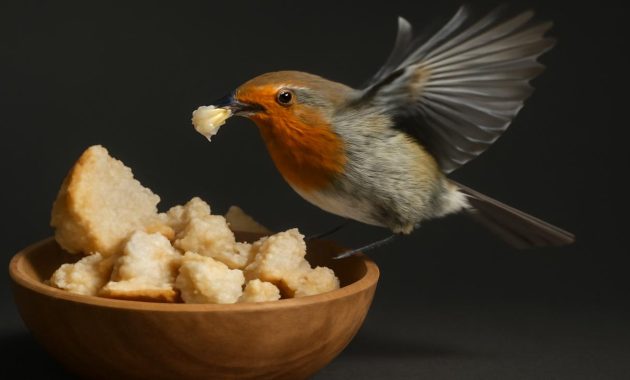
The first time you hear it, it’s usually when you’re doing something ordinary. You might be rinsing mugs at the kitchen sink, scrolling through messages, or shuffling bills on the table. And then it comes: that bright, liquid phrase of song that threads straight through the glass and into you. A robin. Clear as a bell, singing from somewhere in your hedge or on the fence post, as if it’s calling you personally out into the garden.
Robins have a way of making an ordinary day feel suddenly significant. Maybe that’s why so many of us have quietly started doing the same small, secret thing: leaving out a little food on the patio table, or along the edge of a plant pot, hoping that flash of red breast will appear. This season, the RSPCA has added a new twist to the ritual—by highlighting a humble, everyday kitchen staple that turns out to be an almost perfect robin treat: the soft, simple, store‑cupboard oat.
Not fancy seed mixes. Not specialist pellets. Just the same rolled porridge oats you might stir into a saucepan on a winter morning.
The Kitchen Staple Robins Are Queuing Up For
Walk through a supermarket and you’ll find them in big brown bags and budget-brand boxes, jollying you along with promises of “hearty starts” and “wholesome mornings.” Rolled oats. Plain, unflavoured, unremarkable—and, according to the RSPCA and a growing crowd of garden bird‑watchers, absolutely irresistible to robins when used in the right way.
If you’ve watched robins at all, you’ll know they’re not like finches and sparrows. They’re not seed‑cracking birds that sit happily on a feeder nibbling all afternoon. Robins are part of a group known as insectivores. They’re wired for movements on the ground: a beetle turning over a leaf, a worm shifting just below the surface of a lawn. Their beaks are built for soft, wriggly things—not hard sunflower hulls.
This is where oats fit in so beautifully. Soft, flat, and easily swallowed, they mimic, in texture, the tender invertebrates that robins naturally go for. Sprinkle a small handful on a low tray or a sheltered patch of patio, and robins will often investigate in that signature stop‑start hop they do: pause, tilt the head, flick of the tail, dart forward. The first time they realise that pale scatter of flakes is edible, you can almost see the moment of conversion. They peck. They swallow. They pause. Then they peck again, a little more confidently, and suddenly you’ve become part of their daily circuit.
Part of the appeal, the RSPCA notes, is that oats are not just bird‑friendly; they’re people‑friendly, too. They’re cheap. They keep for ages in the cupboard. They’re easy to portion out. And if a busy day means you forget to top up the bird table, they simply sit there without going rancid in an afternoon of sunshine. In a cost‑of‑living squeeze, it matters that something as modest as a 1 kg bag of supermarket oats can give weeks of small, shared moments with the wildlife right outside your window.
The Sound of Wings in Winter (and Why Now Matters)
The robin’s song is most piercing in the colder months. While many birds fall silent after the summer breeding season, robins keep singing through autumn and winter, defending territories and patchwork gardens that suddenly feel a little barer, a little harsher. This is also when natural food supplies begin to dwindle. Insects grow scarce; soft‑bodied grubs are harder to find; fruit falls and rots away after the first heavy frosts.
Stand outside on a cold January morning and your garden might, at first glance, seem empty. No buzzing, no flutter of butterflies, just the bare bones of twigs and stems. But wait a moment. A robin will often appear quietly on a low branch, almost like it’s materialised from the grey air. This is when your small gifts matter the most.
“Supplementary feeding can make a real difference in harsh weather,” the RSPCA frequently emphasises. The key word there is “supplementary.” You’re not replacing a wild bird’s natural diet; you’re offering a little extra—like placing a warm bowl of soup on the table in the middle of a long day. Oats, in sensible portions, make an excellent part of that extra-help menu, alongside other safe foods such as mealworms, soft fruit, and specially‑formulated bird food.
Imagine the scene from the robin’s point of view: a territory that might stretch across several back gardens, a hedge, a small patch of scrub at the end of an alley. In that circuit, somewhere, is your patio pot or low table with a dusting of oats. The robin remembers. Birds are masters at mapping out tiny, dependable resources—a dripping tap, an overripe apple tree, a hedge alive with spiders. Your regular handful of oats becomes another landmark, another reliable stepping stone in a landscape that gets leaner as the season darkens.
How to Offer Oats Safely (Without Turning the Garden into a Buffet)
There’s a particular pleasure in ritual. Kettle on, cup in hand, you reach for the oat bag and tap a little pile into your palm. But before that becomes a habit, a handful of ground rules helps keep your kindness as safe as it is generous.
1. Use Plain, Uncooked, Unsweetened Oats
Robins don’t need flavourings, syrups, or the kinds of extras we like in our breakfast bowls. No sugar, honey, or chocolate. No instant pots with powdered milk and salt. The RSPCA’s advice is clear: keep it plain. Standard rolled porridge oats or medium oatmeal are perfect. Avoid muesli mixes with raisins (these can be a choking risk for some birds and dangerous for dogs if dropped), as well as anything coated, instant, or “just add milk” in style.
Cooked porridge might seem appealing, but it quickly becomes a sticky paste that can gum up beaks and feathers if birds get it on themselves. Dry or lightly moistened oats, scattered loosely, are safer and easier for a robin to manage.
2. Offer Little and Often
With wild animals, “a bit” is often far better than “a lot.” A small pinch or two of oats once or twice a day is plenty. This discourages the food from becoming mouldy or attracting unwanted visitors like rats. It also avoids birds becoming overly dependent on a single food source.
As a rough guide, think in teaspoons, not scoops. You want the birds to find most of what you put out within a short time. If oats are still lying untouched after a few hours, reduce the portion. Over a week or two, you’ll get a feel for what your local robin or small group of birds can comfortably clear.
3. Keep It Low, Open, and Clean
Robins aren’t acrobats like tits or nuthatches; they don’t love hanging feeders. They prefer feeding on the ground or very low platforms. A shallow dish, a flat stone, or a purpose‑made ground feeder placed on a patio or under a shrub works brilliantly. You’ll often see the robin hop forward, grab an oat, then retreat to a safer spot to swallow.
Hygiene sounds dull, but it’s absolutely essential. Every few days (more often in wet weather), tip away any soggy leftovers, rinse the dish with hot water, and let it dry. Disease can spread quickly at communal feeding spots, so a quick rinse really does protect the birds you’re inviting in.
The Robin Table: Oats vs Other Popular Foods
If you’re standing at the cupboard juggling options—seeds, scraps, mealworms—it helps to know where oats sit in the bigger picture of robin‑friendly food. Here’s a simple comparison laid out in a way that’s easy to glance at on a phone while you’re deciding what to put out.
| Food Type | Is It Good for Robins? | Key Notes |
|---|---|---|
| Plain rolled oats | Yes – in moderation | Soft, cheap, easy to eat; offer dry, not cooked; avoid flavoured or sweetened versions. |
| Dried mealworms | Excellent | Very popular; high in protein; soak briefly in water to soften before feeding. |
| Mixed bird seed | Variable | Robins may ignore hard seeds; better for finches and sparrows than for robins. |
| Soft fruit (e.g., apple, berries) | Good | Offer in small pieces; remove mouldy remains quickly to prevent disease. |
| Bread | Generally avoid | Fills birds up without much nutrition; can go mouldy quickly; not recommended. |
Looking at that table, you can start to see why the RSPCA has been so keen to flag oats up this season. They’re not a specialist purchase like mealworms, yet they slot surprisingly well into a robin’s menu. For many households, they’re already sitting on the shelf; all that changes is how you use them and who you share them with.
The Quiet Joy of Becoming “Part of the Territory”
Something subtle happens when you begin feeding a robin consistently. Days pick up a rhythm. There’s the moment, often around first light, when you crack open the back door and the garden greets you with that cold rush of air. You step onto the paving stones, scatter your measured pinch of oats, and retreat. For a few minutes, all is still. Then a shadow arcs across the fence, and there they are.
Robins are famously bold around people. Gardeners will tell you the same story over and over: the bird that appeared as soon as the spade went in, waiting for dislodged worms, hovering a little closer each week. Regular feeding gently builds on that existing confidence. The robin begins to link your presence with safe, easy food. It will often wait, half‑hidden, as you put the oats down, then swoop in almost before the door has clicked shut.
The pleasure isn’t just in the bird’s trust, but in what it does to your own attention. You start noticing details you’d previously missed: the slight differences in plumage between individuals, the way the robin puffs itself up on very cold mornings, the tiny scuffles with other garden visitors. You notice the timing of its visits, how it appears earlier on dull days, later on frosty mornings. In feeding a wild creature, you’re also feeding your own relationship with the place you live in.
And you’re not alone. Across the country, countless small terraces, balconies, and suburban lawns are becoming part of an invisible network of tiny oases that help songbirds weather the leaner months. Oats, almost laughably simple, slot into that story as the easiest possible invitation. No complicated kit, no big expense—just one small, repeated act of noticing and offering.
Making the Garden a Robin Haven (Beyond the Breakfast Bowl)
Food is only one piece of the puzzle. If you find yourself falling a little bit in love with the robin that visits your oats each morning, there are other gentle tweaks you can make to turn your garden, however small, into a richer, safer place for it.
First, think cover. Robins like somewhere to dart into—dense shrubs, tangled climbers, a thick hedge. If your space is very open, consider a pot of evergreen shrub or a small, dense bush planted near your feeding spot so the bird has a rapid escape route from cats or sparrowhawks.
Second, think water. A shallow dish or birdbath with clean water is as important as any scatter of oats. Robins will drink, bathe, and preen, especially when natural puddles dry up or freeze. Keep the water clean and ice‑free where you can—just a quick top‑up when you feed is enough.
Third, think wild. Let a corner of the garden go a bit messier if you can bear it: fallen leaves tucked under hedges, a pile of twigs at the back of a bed, a patch of lawn left to grow longer. These quiet, scruffy pockets are where insects and worms thrive, giving your robin more of the natural prey it is built to eat in the first place.
In this way, the oats become a kind of gateway habit—a simple first step that leads you to see your outdoor space through different eyes. You’re not just a homeowner or tenant, tidying and mowing; you’re a quiet host, thinking about shelter and water and the small, unnoticed lives that share your address.
When the Robin Doesn’t Come (And Other Small Worries)
Of course, nature has its own schedule, and it won’t always match yours. Some mornings, the oats may sit untouched until late. On others, a blackbird or a dunnock might beat the robin to them, sweeping them up in a flurry of beak and feathers before your red‑breasted guest even appears.
Don’t be tempted to overcompensate by putting out more and more food. Different species will always share and shuffle at a feeding spot. The RSPCA’s guidance emphasises balance: offer a modest selection, keep things clean, and let the birds decide who claims what. Some days the robin will dominate; on others, it will hang back, or feed more discreetly from the shadows.
If your robin disappears for a while, it isn’t necessarily a cause for alarm. Birds adjust territories, move in response to weather, or find temporary bonanzas of natural food elsewhere. Sometimes they are simply nesting or moulting nearby and keeping a lower profile. Keep putting a small pinch of oats out for a couple of weeks; more often than not, a robin—or a new one—will eventually weave your garden back into its route.
And when it does come back, you’ll know the exact sound of its wings as they cut through the stillness and the Sudden Robin Silence that happens between one bright note of song and the next. In that pause, scattered oats on a low stone step feel like a quiet promise: you keep singing; I’ll keep putting these out.
Frequently Asked Questions
Can I feed robins oats every day?
Yes, you can offer a small amount of plain, uncooked oats daily, especially in colder months. Keep portions tiny—just enough for a quick snack—so robins still rely primarily on their natural diet of insects and other invertebrates.
Are jumbo oats or steel‑cut oats okay?
Standard rolled porridge oats or medium oatmeal are best. Very large, tough flakes or coarse steel‑cut oats can be harder for small birds to manage. If using larger flakes, crush them lightly between your fingers before scattering.
Is it safe to mix oats with other foods?
Yes, as long as every item in the mix is safe for garden birds. Oats combine well with soaked mealworms, a few sunflower hearts, or small pieces of soft fruit. Avoid adding bread, salty foods, or any sugary, flavoured human cereals.
Where should I put the oats for robins?
Place them on the ground or on a low, open platform where robins feel comfortable. A shallow dish on a patio, a flat stone, or a ground feeder under a shrub works well. Position it near cover so birds have a quick escape route.
Can I feed oats to baby robins (fledglings)?
Adult robins will usually feed their young with soft insects and other natural prey. If fledglings are around, keep any oats you offer to small quantities and, ideally, pair them with soaked mealworms or other soft, high‑protein foods. Never attempt to hand‑rear or feed chicks directly unless advised by a wildlife charity.
Do oats replace the need for proper bird food?
No. Oats are a useful, affordable supplement, not a complete diet. They work best as part of a varied feeding routine that might include high‑quality bird food, mealworms, and access to a garden rich in natural insects and plants.
What should I do if the oats go mouldy or soggy?
Discard them immediately, rinse the dish or surface with hot water, and let it dry before putting more food out. Mouldy or spoiled food can spread disease among birds, so it’s better to offer less and refresh it often.