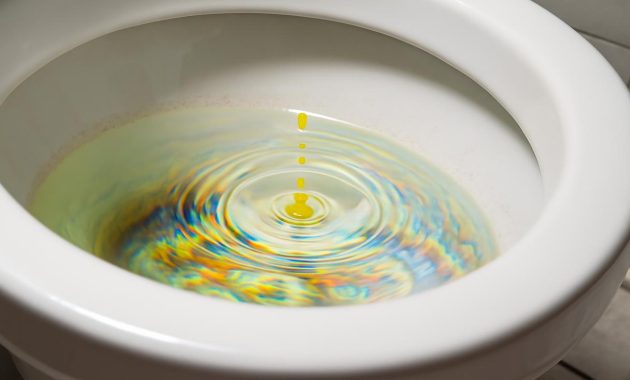
The first time I heard someone say, “Just put a drop of dish soap in your toilet,” I thought it had to be a joke. Toilets are for bleach and blue fizzy tablets and harsh scrub brushes, not the lemon-scented stuff you use on last night’s lasagna dish. But on a quiet Sunday morning, standing barefoot on cool bathroom tiles, sunlight leaning through the window, I decided to try it. One small squeeze of soap, a brief swirl of color in the clear water, and then… something oddly satisfying began to happen.
The Little Swirl That Changes Everything
The soap slid into the bowl like a lazy ribbon, drifting to the bottom. It didn’t fizz or bubble dramatically. No soundtrack, no fanfare. Just a soft, almost sleepy bloom of color that hung there a moment, then spread outward. The scent was familiar and domestic—citrus and clean cotton—out of place in a space usually claimed by bleach and anonymity.
I waited. A few minutes. Then a flush.
The water seemed to move differently—as if the bowl itself had decided to cooperate for once. Stains I’d been scrubbing at with growing resentment looked paler. The faint ring I’d grown used to seeing, that thin halo of mineral deposit and time, softened its outline.
It wasn’t a miracle—not the sort that turns a neglected toilet into a showroom fixture in ten seconds flat—but it was… noticeable. Quietly impressive. And it got me wondering: how could one tiny drop of dish soap do that?
The Science Hiding in a Single Drop
Experts will tell you that dish soap is basically a gentle, everyday form of surface chemistry magic. It’s built on surfactants—compounds designed to lower surface tension and break up grease and grime. In the sink, that means your pasta pan lets go of its oily film. In the toilet, the rules aren’t all that different.
Imagine your toilet bowl not as a cursed object that’s forever slightly gross, but as a porcelain landscape where tiny dramas are unfolding. Mineral deposits cling to microscopic pits in the surface. Soap scum and organic matter form stubborn films. Hard water stains etch rings like tree trunks telling the story of every week you forgot to scrub.
When you add just a drop of dish soap, surfactant molecules rush to the borders between water and whatever is stuck to that porcelain. One side of the molecule loves water; the other side loves oils and grime. They line up like tiny matchmakers, linking water to dirt, coaxing the mess to loosen, float, and move.
Lowering surface tension doesn’t sound glamorous, but it’s the reason the water moves differently. It can slip into crevices better, slide beneath residues, and carry them away more easily. When you flush, the water has become a more efficient cleaner, more agile, less stiff. What was once clinging now has fewer reasons to stay.
The Quiet Ritual of Soap and Porcelain
There’s something almost meditative about it, once you know what’s happening. The process becomes a small ritual in a day full of chaos—a way of quietly improving a tiny corner of your world without much effort or noise.
You lift the lid. The room might still be carrying the subdued, humid smell of a just-used bathroom, or the faint chalky scent of hard water that never completely leaves. You reach under the sink, fingers finding the familiar flex of the dish soap bottle, a tool usually destined for the kitchen battlefields of pots and plates.
Just a drop, experts say. Not a squeeze that floods the bowl in suds like a cartoon disaster—just enough to cloud the water gently. You pause, maybe skeptical, maybe already converted, and watch the color slide down, curl at the bottom, then lift and unfurl like smoke in slow motion.
You step away. You give it ten, maybe fifteen minutes. During that time, the molecules are busy—not in a loud, bubbling way, but in quiet negotiations along every surface of that bowl. The smell shifts; suddenly the bathroom feels less like a chore and more like an intention. A small, fragrant act of care for a place that usually earns only your impatience.
One flush later, the bowl looks… softer. Calmer. Less hostile. Some stains fade. Some rings blur. And though it may take a few rounds for older marks or heavy mineral scale, something important has changed: you’ve started a habit that works with the science of water and soap, not against it with angry scrubbing alone.
Table: How a Tiny Drop of Dish Soap Helps Your Toilet
| Effect | What’s Happening | What You Notice |
|---|---|---|
| Lower surface tension | Water spreads and flows more easily across porcelain. | Flush looks smoother, water reaches more of the bowl. |
| Breaks up grime | Surfactants attach to oily residues and organic films. | Stains soften; cleaning requires less scrubbing. |
| Lubricates clogs | Soap coats the sides of the drain and waste material. | Minor clogs sometimes slide through more easily. |
| Freshens odors | Fragrance masks lingering smells; films that trap odor loosen. | Bathroom smells lighter, more like your kitchen sink on a clean day. |
| Gentler on surfaces | Less harsh than strong acids or bleaches for everyday use. | Porcelain, seals, and finishes age more slowly. |
The Secret Power Move Plumbers Whisper About
If you ask enough plumbers, you’ll eventually hear a version of the same quiet confession: dish soap isn’t just for cleaning the bowl. It also plays a small, surprising role when the toilet isn’t flushing quite right.
Picture this: The water in the bowl rises just a little too high when you flush. There’s that moment of dread, the hovering hand over the valve, the silent prayer. Somewhere in the pipes, a minor clog—often made of paper and organic material—is slowing everything down, making water hesitate at the bend.
When dish soap goes into that equation, two things happen. First, the soap coats whatever is stuck: paper, waste, the inner pipe surface. It works like a lubricant, making it easier for things to slip past one another. Second, by changing the water’s surface tension, it helps liquid slide over obstacles and carry them further down the line.
Add a bit of hot (not boiling) water to the bowl after the soap, and now you have a gentle, home-level version of what professionals sometimes aim for with more powerful tools: warmth to soften, slip to move, and water that behaves just a bit more cleverly.
Does this replace a plumber? No. Solid, stubborn clogs made of non-flushable items won’t respectfully bow out because you added some lavender-scented detergent. But for the slow, annoying, “almost-clogged” moments, that slippery film can mean the difference between a tense evening with a plunger and a quiet, uneventful flush.
How to Try the Trick (Without Overdoing It)
You don’t need a cauldron or a measuring spoon. Just a rough ritual:
- Squirt a small amount of dish soap into the toilet bowl—about a teaspoon or so.
- Let it sit for 10–15 minutes if you’re aiming to help a minor clog, or a few minutes for simple cleaning.
- For sluggish drains, carefully pour in a bucket or large bowl of hot tap water from about waist height.
- Wait a few more minutes, then flush once.
The key is restraint. More soap doesn’t mean more power; it just means more suds, and toilets aren’t fond of turning into bubble baths.
Everyday Cleaning, But Softer
There’s a subtle shift that happens when you reimagine toilet cleaning not as a battle but as a routine tending—a kind of domestic stewardship. Harsh cleaners feel like punishments; dish soap feels like negotiation, like you’re coaxing the bowl back to clean instead of scolding it.
On an ordinary weekday, here’s how that might look:
Morning light finds its way into the bathroom. The mirror is fogged from a shower. You’re already in motion, coffee humming in another room, lunch half-packed. The toilet, quiet and unremarkable, waits its turn. Instead of ignoring it till it demands a full-on scrub, you flip the lid and add a single drop of dish soap. Maybe two, if yesterday’s traffic was heavy.
You walk away. You brush your teeth. You check your phone, thumb tracing through headlines. By the time you come back, that soap has done its quiet work—loosening a bit of whatever wanted to cling harder than it should. You flush. The bowl looks fresher. The bathroom feels less like a neglected afterthought and more like a place you actually live in.
Once a week, you might still pick up the brush. Dish soap doesn’t cancel the need for elbow grease; it just makes each scrub easier, each stain more willing to leave. It becomes a partner in the process, not the whole show.
Choosing the Right Soap for the Job
Not all dish soaps are equal, but for toilets, your needs are simple. A few gentle guidelines:
- Mild formulas: Regular, non-concentrated dish soap is usually enough. Ultra-thick types can be harder to rinse fully.
- Avoid heavy dyes if possible: Blue or neon soaps are fine in small amounts, but lighter tints are least likely to leave any color trace on lighter porcelain over time.
- Skip gritty or specialty products: Anything with scrub particles or special kitchen-only additives isn’t necessary here.
Most standard, supermarket dish soaps work beautifully with this trick. The “best” one is often the one you already have by your sink.
A Tiny Habit with Quiet Psychological Weight
There’s a reason this little cleaning hack feels oddly satisfying beyond the visible results. A toilet is one of those parts of the home people tend to mentally write off as inherently grim, something to be dealt with as quickly and infrequently as possible. Shifting that relationship—just a little—has a way of lightening the mental load of housekeeping.
When you learn that a single, easy action—a drop of soap—can start softening stains, easing flushes, freshening the room, the task stops feeling like a looming, once-a-week dread. It becomes a two-second motion you can lace into existing routines: after a shower, before leaving for work, as part of your nighttime wind-down.
In a world where so much feels out of your control, there’s a quiet power in these micro-rituals. The sound of the bottle cap clicking open. The small, almost theatrical swirl of pearly liquid into the bowl. The knowledge that this time, you’re not waiting for a crisis to act; you’re tending to something before it shouts for attention.
And then there’s the sensory pleasure: the soft scent that replaces the vague tang of plumbing and humidity, the gleam of a bowl that doesn’t demand industrial-strength chemicals to look cared for. Each time you walk in and see that, you’re reminded that maintenance can be gentle and still effective.
Knowing When Soap Isn’t Enough
Of course, even the best small habit has limits. Dish soap is a helper, not a miracle worker. There are times when it steps aside and lets heavier hitters take over:
- Thick mineral scale: If your water is very hard and the bowl has developed rough, stony buildup, you’ll likely need a specialized descaling cleaner or vinegar-based soaks.
- Persistent rust stains: Iron-laden water can leave orange or brown streaks that surfactants alone won’t erase.
- Serious clogs: Toys, wipes, or anything non-flushable lodged in the pipes won’t be persuaded by fragrance and surface tension. That’s plunger or plumber territory.
- Disinfection needs: When someone in the house is sick, or you need true sanitizing, a proper disinfectant product is still the right tool.
The elegance of this soap trick isn’t that it replaces everything else. It’s that it makes the in-between times easier. It reduces how often you face those worst-case scenarios by nudging daily reality a little closer to clean.
From Skepticism to Ritual
Somewhere, in countless bathrooms, this same story plays out. A piece of advice overheard in a conversation, spotted in a comment thread, or muttered by a relative who “swears by it.” An eyebrow raised. A bottle of dish soap borrowed from the kitchen. A single drop falling into a place we’ve been trained not to look at too closely.
Then, the slow realization that something is different. That this gentle, familiar household soap—more often scented like oranges, ocean breezes, or fresh linen than chemicals—can quietly enlist itself in one of the least glamorous household jobs and do it surprisingly well.
Experts might talk about surfactants and surface tension, lubrication and hydrophobic tails. Plumbers might mention reduced friction and easier movement in the trap. You, standing barefoot on cool tiles, might only notice that the toilet seems cleaner with less effort, that flushes feel smoother, that the bathroom smells better more often.
One drop. That’s all. A tiny, everyday act that turns one of the home’s most avoided chores into an almost graceful moment—a swirl, a pause, and a quiet, satisfying result.
FAQ
Does dish soap disinfect the toilet?
No. Dish soap helps loosen grime and freshen scents, but it is not a disinfectant. For killing germs, you’ll still need a proper disinfecting cleaner when hygiene is a priority.
How often can I use dish soap in the toilet?
You can use a small amount daily or a few times a week. A drop or two at a time won’t harm most toilets or plumbing systems and can make regular cleaning easier.
Can too much dish soap cause problems?
Yes. Large amounts can create excessive suds that don’t flush well and may linger in the pipes. Stick to small quantities—about a teaspoon or less per use.
Is this trick safe for septic systems?
In moderate amounts, standard, biodegradable dish soaps are generally considered safe for septic systems. However, avoid pouring large volumes down regularly, and always follow guidance specific to your septic setup.
Will dish soap remove all stains from the toilet?
Not all. It works best on fresh grime, light rings, and everyday buildup. Heavy mineral scale, rust, or old, set-in stains may still require specialized cleaners and some scrubbing.
Can any brand of dish soap be used?
Most regular dish soaps from common brands will work. Mild, unscented or lightly scented formulas are often ideal, but the soap you already use in your kitchen sink is usually sufficient.
Can dish soap really help with minor clogs?
It can help with some soft, partial clogs by lubricating and changing how water flows, especially when followed by hot water. It won’t fix serious blockages, but it can sometimes prevent a slow drain from turning into a full stoppage.