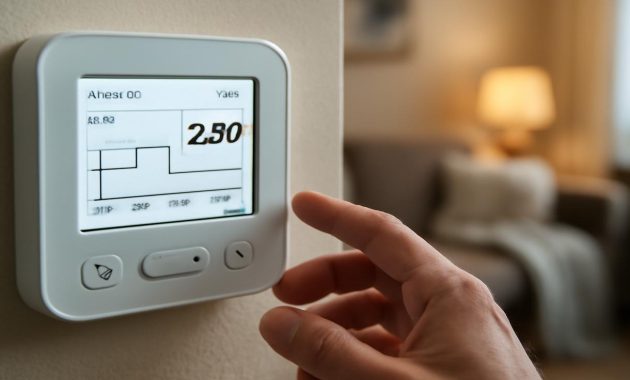
You notice it first in the silence. The hum of the boiler has stopped. The radiators sit still and cool under your palm. Outside, the light is draining from the sky, and that familiar cushion of indoor warmth starts to thin, like breath on a window. You pull your jumper tighter and ask the question millions of people quietly mutter every winter: should I just leave the heating on low all the time… or keep flicking it on and off?
The Myth of the Ever-Warm House
For years, friends, neighbours, and the odd well-meaning relative have passed down the same bit of folklore: “It’s cheaper to leave your heating on low all day than to keep turning it on and off.” It sounds comforting, almost like a story you want to believe. A gentle, always-ready background warmth that waits for you like a loyal dog at the door.
But step back for a moment and picture your home from the outside, in winter. Cold air presses up against the walls, windows, roof, and even the floor. Inside, warmer air pushes back. Where those two worlds meet, heat starts to slip away: through glass, gaps around doors, attic insulation that’s seen better days, and those mysterious draughts that seem to whistle from nowhere. Your house is not a sealed box; it’s more like a slow-leaking flask.
Now imagine the heating is on all the time, even at a low level. That means you’re always feeding warmth into the building, 24/7, asking it to push against that constant cold outside. The laws of physics don’t soften just because we like the idea of a “cosy baseline.” If there’s a temperature difference between inside and outside, heat will flow from warm to cold. The bigger and longer that difference, the more total energy you lose.
So when people ask whether it’s better to leave the heating on low or to switch it on and off, what they’re really asking is: Should I let heat leak out of my house slowly but constantly, or in shorter, more focused bursts? And that’s where things get more interesting, more personal, and surprisingly emotional.
The Physics Hiding Behind Your Radiators
Walk close to a window on a frosty morning and you’ll feel it: that thin river of cold slipping down the glass, pooling at your feet. Maybe you sense a faint draught sneaking under the door. Every tiny chill is a clue to something bigger: heat loss.
In most homes, heat escapes through:
- Walls – through solid brick, or poorly insulated cavities.
- Windows and doors – thin glass, old frames, gaps, and seals.
- Roof and loft – warm air rising and seeping out.
- Floors – especially in older houses with suspended timber floors.
The rate of this escape depends on two major things: how well your home is insulated, and the temperature difference between inside and outside. A highly insulated home is like a thick winter coat; a leaky, poorly insulated house is more like a threadbare cardigan.
Now imagine two scenarios:
- Heating always on low: Your house stays gently warm all day, even when no one’s home. Heat is continuously trying to leave, and your boiler is constantly nudging it back in.
- Heating used in bursts: In the morning and evening, when you’re actually there, you switch it on (or use a timer/thermostat) to warm the place up. During the day and at night, when you’re away or asleep, the temperature falls.
Over a full day, the second scenario generally loses less total heat, because the inside-outside temperature difference is smaller for more hours. Less difference, less loss. Which means less fuel burned, and less money spent. In most ordinary homes, turning the heating on only when needed is more efficient than leaving it on low all the time.
That’s the simple physical truth underneath the myths. But homes aren’t just physics. They’re also comfort, health, habit, and the small rituals that make cold seasons bearable.
Comfort, Habits, and the Feel of a Warm Room
Think of the moment you come home on a raw, windy evening. You open the door and a wall of cold greets you. The air feels stiff, almost solid. You jab at the thermostat, crank it up “just for a bit,” and pace impatiently while the radiators slowly wake. This is one of the main reasons people say they prefer to leave the heating on low. They don’t want to feel that first slap of chill when they return.
But that instinct – to slam the thermostat up high to “heat the place faster” – is another quiet myth. Most boilers and heating systems don’t work like the accelerator pedal in a car. Cranking the thermostat higher doesn’t magically make radiators heat more quickly; it just tells the system to keep going until the room’s hotter than you actually need.
So you get these sharp swings: cold when you walk in, then a sweaty, dry fug an hour later, as the house overshoots and your body struggles to keep up. Comfort doesn’t live at the extremes; it lives in consistency.
Here’s where a little planning changes the whole story:
- Program your heating to come on a little before you wake up or before you come home, and to switch off when you don’t need it.
- Set one steady, realistic temperature – often around 18–21°C for most people during the day (lower at night if you like it cool for sleeping).
- Use thermostatic radiator valves (TRVs) to keep bedrooms cooler and living spaces warmer, so you’re not heating empty or little-used rooms.
When you stop thinking of heating as a constant background hum, and start seeing it as a well-timed companion to your routines, the anxiety around “on and off versus always on” begins to loosen its grip.
The Role of Your Home’s Personality
Every building has a thermal personality. Some houses are like big old stone cathedrals – slow to warm, slow to cool, storing heat deeply in thick walls and heavy floors. Others are more like tents: fast to heat, fast to lose that heat, sensitive to every gust of wind.
If you live in a very well-insulated, airtight home – perhaps a modern build or an upgraded older property – turning the heat off for a while won’t lead to dramatic temperature swings. The house holds onto warmth, and when the heating kicks back in, it doesn’t take long to restore comfort. In these homes, intermittent heating controlled by a thermostat or smart system works beautifully and efficiently.
In a draughty, poorly insulated house, though, the temperature can drop quickly once the boiler stops. You might feel like you’re constantly chasing warmth, and leaving the heating on low can feel psychologically safer, like you’re trying to “stay ahead” of the cold. Even then, from a pure energy perspective, it’s usually still cheaper to only heat when you need to. But comfort and mental ease matter too.
Sometimes the better question isn’t just when to heat, but how can I stop my home leaking so much heat in the first place?
Insulation, Draughts, and That Stubborn Cold Corner
Before you decide how to run your heating, it’s worth listening to your house. Where does it feel coldest under bare feet? Where does your breath mist on really icy mornings? Which window collects the thickest band of condensation?
These are clues to where heat is escaping fastest. If you’re constantly battling the same cold spots, your money may be better spent not on leaving the heating on low, but on simple improvements:
- Draught-proofing: Sealing gaps around windows, doors, letterboxes, and floorboards can make a noticeable difference.
- Loft insulation: Warm air rises, and an under-insulated loft is like leaving a window cracked open at the ceiling.
- Heavy curtains or blinds: Drawn at dusk, they add a layer of still air that slows heat loss through glass.
- Rugs on bare floors: Especially over suspended timber floors, they make rooms feel warmer even at the same air temperature.
Sometimes people leave heating on low not because it’s cheaper, but because they’re trying to mask a building that sheds heat like a winter tree sheds leaves. Fix that underlying leakiness, and suddenly it becomes much easier – and more comfortable – to heat only when needed.
To keep the key differences clear, here’s a simple comparison:
| Approach | Pros | Cons |
|---|---|---|
| Heating on low all day |
|
|
| Heating on and off as needed |
|
|
The Hidden Story of Condensation and Damp
There’s one area where the “always on low” approach sometimes creeps back into the conversation: damp and condensation. You might have seen it – that persistent fog on the inside of windows, darkening patches in the corners of outside walls, the faint, unwelcome smell of mould hiding behind furniture.
Some people argue that leaving the heating on low helps fight this by keeping surfaces just warm enough to avoid condensation. There is a grain of truth here: cold surfaces attract moisture from warm, humid indoor air. A house allowed to plunge from warm to very cold, then steamed up by showers, cooking, and breathing, can struggle.
But the real allies against damp are:
- Good ventilation – opening trickle vents, using extractor fans while cooking and showering.
- Moderate, not extreme, heating – avoiding big, repeated swings between freezing and baking.
- Drying clothes smartly – not draping wet laundry over every radiator without ventilation.
You don’t have to heat constantly to keep damp at bay. You do need to avoid prolonged periods where rooms sit very cold and wet. That might mean keeping vulnerable rooms – like bathrooms and north-facing bedrooms – a little warmer and better ventilated, not necessarily running the whole-house heating system all day long.
Bringing It All Together: What’s “Better” Really Mean?
By now, a pattern is emerging. On pure efficiency grounds, in a typical home with typical insulation, it is generally better to heat your home only when you need it, using a thermostat or timer, than to leave your heating on low all the time. The energy you spend keeping a house mildly warm through long periods when nobody needs that warmth is usually wasted.
Yet “better” is more than just a line on a bill. It’s also the feel of the air when you pad barefoot into the kitchen at dawn. It’s whether your child’s bedroom is chilly at bedtime. It’s how much you worry when you hear the boiler fire up, wondering what the next statement will look like.
So instead of treating the question as a simple either/or, you can think of it as a balance of three things:
- Energy and cost: Use the heating in focused bursts at times you really value comfort, and let the house cool a bit when you’re away or asleep.
- Comfort and routine: Time the heating to come on gently before you need it, so you step into warmth instead of battling the cold.
- Building health: Keep key rooms from becoming too cold and damp, and pair your heating pattern with good ventilation.
Your ideal pattern might look like this: the house warms slightly before you wake; cools a little while you’re out during the day; rises again in the evening for a few cosy hours; then drifts down to a cooler, comfortable night-time level. The boiler rests more than it runs. The house is neither icebox nor sauna. And your heating, now, feels like a conversation with the changing light outside, rather than a desperate tug-of-war.
In that quiet moment, when the radiators tick as they cool and the last of the day’s warmth folds into the night, you’ll know the answer isn’t “always on” or “always off.” It’s about timing, balance, and learning to work with your home’s character, not against it.
Frequently Asked Questions
Is it always cheaper to turn the heating on and off rather than leave it on low?
In most homes, yes. Turning the heating on only when you need it usually uses less energy overall than maintaining a constant low temperature. That’s because the house loses less total heat over the day when it’s cooler for some hours, especially if it’s reasonably insulated.
Does turning the heating on and off damage the boiler?
Modern boilers are designed to cycle on and off. Using a thermostat or programmer to control them is normal and expected. Excessive, rapid on-off cycling can be an issue if the system is badly set up, but ordinary timed use will not normally harm the boiler.
Will my house take more energy to reheat if it’s allowed to cool down?
It takes energy to reheat a cooled house, but this is usually less than the energy you would have used keeping it constantly warm. The key factor is the total time your home spends at a higher temperature, not just the effort to heat it back up.
What temperature should I set my thermostat to?
For most people, 18–21°C is comfortable for living areas. Some prefer slightly cooler bedrooms at night, around 16–18°C. The best setting is the lowest temperature at which you still feel comfortably warm in normal clothing.
How can I feel warmer without turning the heating up?
Layer your clothing, use thick socks or slippers, add throws or blankets on sofas, close curtains at dusk, block draughts, and use rugs on bare floors. These changes can make you feel warmer at the same air temperature, so you can keep the thermostat a little lower.
Does leaving the heating on help prevent damp and condensation?
Constant heating alone won’t solve damp. The real keys are moderate, steady warmth combined with good ventilation and sensible moisture control (like using extractor fans and avoiding drying clothes in unventilated rooms). You don’t need the heating on 24/7, but you do want to avoid rooms sitting very cold and wet for long periods.
What’s the single most effective thing I can do to reduce heating costs?
Improving insulation and cutting draughts is often the most powerful long-term step. After that, using a programmer and thermostat to run the heating only when needed – instead of leaving it on low all day – usually brings the most significant savings.