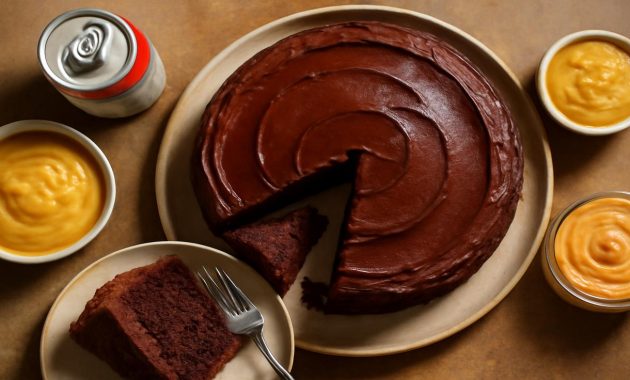
The first time I left the egg carton untouched on my counter while making chocolate cake, I felt like I was breaking some kind of sacred baking rule. It was a rainy afternoon, the kind where the sky hangs low and the air smells like wet pavement and coffee. I wanted cake—not just any cake, but the kind that feels like a soft sigh when you bite into it. But my fridge was almost empty, and the only eggs I had were questionably old and definitely not something I wanted to gamble on. So, I did the unthinkable: I made chocolate cake with no eggs at all. And what happened next genuinely left me speechless.
The Day I Forgot the “Rules”
The kitchen was already warm from the oven preheating, the faint hum of the appliance settling into the silence of the house. Outside, the rain smudged the world into soft gray lines. Inside, I lined my cake pan, measured out cocoa, flour, sugar—the holy trinity of sweet comfort—and reached automatically for the egg carton.
It was light. Too light.
I cracked it open anyway. One egg, sitting alone like it knew it had let me down. And worse yet, it had that slightly suspicious look to it—shell a bit dull, like it had seen better days. I checked the date on the carton. Let’s just say the eggs and I had missed our ideal window for collaboration.
I could have abandoned the idea right there. Instead, I leaned against the counter, scrolling through my phone with cocoa-dusted fingers, muttering to myself about “there must be another way.” I wasn’t interested in a dry, dense apology of a cake. I wanted that plush softness, the kind that stands up to a fork but gives in easily, like it’s been waiting all day just for you.
And then I started finding them: all these people, scattered across the internet and in cookbooks, swearing that eggs were… optional. Optional. As if this ingredient I had faithfully cracked into every cake batter since childhood was not actually the gatekeeper of crumb and texture and moisture. I felt slightly betrayed, a little suspicious, and very, very curious.
The First Swap: Yogurt, the Quiet Hero
I started with something I already had: a half-empty tub of plain yogurt at the back of the fridge. The label was curled at the edges, and the spoon dents on the surface were dry around the rim, but it was still perfectly fine. I remembered a vague suggestion I had read before: “Use yogurt as an egg replacement.” It sounded almost too simple.
I measured out a few generous spoonfuls—about a quarter cup for each egg I was replacing—watching as the yogurt slipped into the bowl, thick and slightly tangy. When I stirred it into the cocoa and flour, the batter turned glossy and surprisingly smooth, like melted chocolate and cream had decided to meet in the middle.
There was something soothing in the way it moved when I lifted the spoon. No resistance, no lumps—just a silky, chocolate river. I scraped the batter into the pan and slid it into the oven, then spent the next twenty minutes in that particular kind of suspense that only baking can create. You can’t poke it, you can’t cut it yet; you just have to trust it and wait.
When the timer finally went off, the cake had risen gently, the top puffed and matte, with a thin, delicate crust. The scent that rolled out of the oven was rich and deep, more chocolatey than any egg-based cake I’d made in months. I let it cool just enough to not burn my fingers, then cut a small slice from the edge.
The knife sank in like it was slicing through a soft, dense cloud. I lifted the piece—steam curling faintly from the middle—and took a bite.
Soft wasn’t even the word. It was plush. Tender. Almost velvety. The tang of the yogurt hid quietly in the background, barely detectable, but clearly responsible for the way the crumb held together while still feeling like it could melt on your tongue. It tasted like I’d added a secret ingredient that only expensive bakeries know about.
And just like that, the spell of eggs was broken.
The Unexpected Magic of Mashed Banana
Once you’ve had one small rebellion, the second one comes easier. A week later, still riding the high of the yogurt experiment, I found myself staring down yet another baking urge and an embarrassingly empty egg carton. This time, there was no yogurt in sight. But on the counter, slowly freckling under a patch of afternoon light, were two bananas that had crossed from “perfectly ripe” into “only good for baking.”
I remembered reading that bananas could step in where eggs normally would—one medium banana for one egg, if you mash it well enough. I peeled one, feeling the soft, almost custardy flesh give beneath my fingers, and mashed it in a bowl until it turned into something between a paste and a cream.
When I stirred it into the batter, the scent of banana wound itself into the chocolate. It was tempting in a familiar way, like banana bread and chocolate cake had decided to collaborate for a special occasion. The batter thickened differently this time—more body, more structure. As I poured it into the pan, it moved slowly, holding its shape a bit more stubbornly than the yogurt version.
It baked up darker, the surface slightly cracked and rustic, with corners that puffed up confidently. When I cut in, the crumb was more compact than the yogurt cake, but it was still soft—moist in a way that reminded me of brownies. And the flavor? Chocolate first, then a warm, mellow banana note rolling gently through each bite. Not overpowering, not screaming, “I AM BANANA,” but humming quietly in the background like a familiar song.
It wasn’t the same kind of softness as the yogurt cake, but it had its own charm—a fudgy, comforting, stick-to-your-fork kind of softness. It was the sort of cake you’d pair with a cold glass of milk or a late-night movie. It felt like home.
The Surprise of Silken Tofu and Aquafaba
After that, I stopped looking at my kitchen like a static place. Everything started to look like it might have a second life in a chocolate cake. The jar of chickpeas in the pantry? The block of silken tofu in the back of the fridge? They suddenly looked less like dinner parts and more like possibilities.
Silken tofu came first. I’d seen it whispered about in vegan baking corners of the internet: “Blend it until smooth, use a quarter cup per egg.” It didn’t sound exciting, but it sounded promising. I cubed the tofu, slid it into the blender, and watched it whirl into a thick, pale cream with the faintest bean scent—barely there, but present.
When I added it to the batter, something magical happened. The mixture thickened into a glossy, almost mousse-like texture. It clung to the whisk in soft peaks and settled into the pan with a satisfying weight. I could feel the promise of structure in it—the way it might hold up, slice cleanly, and make itself known.
When it came out of the oven, the cake looked almost professional. Smooth, even, with a dignified rise. The first cut revealed a tight, fine crumb—like something out of a pastry shop. The softness here was more refined, less wild and plush, more cohesive. Each bite held together neatly, yielding slowly rather than instantly melting away.
The flavor was pure chocolate. No tofu whisper, no aftertaste. Just a clean, intense cocoa richness. It felt like a cake made for layering, frosting, decorating—a base that could hold berries, ganache, or a generous swirl of cream without breaking under pressure.
And then there was aquafaba: the thick, slightly murky liquid hiding in every can of chickpeas, usually poured straight down the drain. This time, I caught it in a bowl, curious. I’d heard it could mimic egg whites, whipping into soft peaks if you treated it with enough patience and an electric mixer.
I started whisking. At first, it just sloshed around the bowl, as unimpressive as you’d expect chickpea water to be. But slowly—almost stubbornly—it began to thicken. Within minutes, it turned frothy, then creamy, then glossy and white, standing up in soft, elegant peaks like meringue.
When I folded it gently into a chocolate batter, the whole mixture lightened. It turned airy, almost buoyant. In the oven, it rose taller than any of my other attempts, the top gently domed. The crumb was delicate, almost sponge-like, with a tenderness that bordered on ethereal.
Yet even with that lightness, the cake stayed moist. It wasn’t as dense or rich as the yogurt or banana versions, but its softness was almost dreamlike—perfect for people who want a cloud-like cake that doesn’t feel heavy even after the second slice.
The Moment of Truth: Comparing the Eggless Wonders
At some point, my kitchen turned into a test lab disguised as a bakery. I had slices of cake lined up like suspects in an interrogation, each one with a slightly different look, feel, and personality. Yogurt, banana, silken tofu, aquafaba—they all sat there, waiting to be judged.
So I did the only logical thing: I took notes, and I took bites. Many, many bites.
To keep it simple, I laid out what I’d learned in a way my future, cake-craving self could understand at a glance.
| Egg Alternative | Texture | Flavor Impact | Best Use |
|---|---|---|---|
| Plain Yogurt | Plush, moist, velvety crumb | Very mild tang, mostly hidden | Everyday chocolate cakes, rich snack cakes |
| Mashed Banana | Fudgy, slightly dense, brownie-like | Gentle banana note, more noticeable if very ripe | Comfort cakes, loaf-style chocolate bakes |
| Silken Tofu | Fine, cohesive crumb, sturdy yet tender | Neutral; lets chocolate flavor dominate | Layer cakes, frosted celebration cakes |
| Aquafaba | Light, airy, sponge-like | Neutral; no noticeable chickpea flavor | Light sponge cakes, when you want height and softness |
What surprised me most was not that these substitutions worked—it was how well they worked. Each version gave me a different expression of softness. Yogurt was lush. Banana was cozy. Silken tofu was elegant. Aquafaba was feather-light.
The eggs, it turned out, were never the star. They were just one way of getting to a place I could now reach in four completely different, delicious ways.
How to Swap Eggs in Your Own Chocolate Cake
After my experiments, I realized that swapping eggs isn’t about perfectly mimicking them; it’s about choosing the kind of softness and flavor you want. Once you understand that, the substitutions stop feeling like compromises and start feeling like customization.
Using Yogurt
Use about 1/4 cup of plain yogurt for each egg. Stir it into your wet ingredients until smooth before combining with the dry mix. This works beautifully in recipes that already call for milk or buttermilk—just reduce those slightly if the batter feels too loose.
Using Mashed Banana
Use one medium, very ripe banana (well mashed) per egg. The riper, the better: speckled skin equals better sweetness and texture. Keep in mind the flavor will peek through, so it pairs especially well with cinnamon, coffee, or extra dark cocoa.
Using Silken Tofu
Blend silken tofu until completely smooth, then measure 1/4 cup per egg. Add it with your wet ingredients. This is ideal when you want structure—like for tall cakes, frosting-heavy creations, or any dessert that needs to hold a neat slice.
Using Aquafaba
Drain the liquid from a can of chickpeas and whip 3 tablespoons per egg with a mixer until it reaches soft peaks. Fold it gently into your batter at the end. You’ll get lift and lightness, almost like you’ve smuggled a sponge cake into a chocolate cake recipe.
And if you’re wondering whether you can mix and match—yes, you can. I’ve made cakes where I used yogurt for moisture and a little aquafaba for extra lift. Baking, it turns out, is not as rigid as those old recipes made it seem. It’s more like a conversation between ingredients, and you get to decide who speaks the loudest.
Why These Swaps Work (Even Without the Science Degree)
You don’t need to be a food scientist to feel what’s happening in the bowl. Eggs usually bring three main things: moisture, structure, and binding. Each of these replacements steps into one part of that job.
Yogurt and banana bring moisture—deep, lush, lasting moisture that doesn’t dry out overnight. Tofu brings structure, acting like a delicate scaffold inside the crumb. Aquafaba brings air, trapping tiny bubbles that lift the batter as it bakes.
You can sense it even before you bake. A yogurt-based batter feels like silk; a banana one feels plush and thick. A tofu batter feels substantial, while an aquafaba batter floats lightly on the spoon. By the time they reach the oven, they’ve already started reshaping what the cake will become.
Softness, I realized, is not just one texture. It’s a spectrum. There’s the softness that melts, the softness that holds, the softness that springs back when you press it. And every one of these eggless cakes had its own version of that softness, drawn from the unexpected ingredients that shaped them.
The Cake That Left Me Speechless
It was a quiet evening when I baked the chocolate cake that finally stopped me mid-sentence. The kind of evening where the light goes early, and you start making dessert before you’ve even thought about dinner.
That night, I combined everything I’d learned. A bit of yogurt for moisture, a touch of aquafaba for lift. Cocoa, sugar, flour, a whisper of coffee to deepen the chocolate. The batter felt alive under the whisk—smooth yet buoyant, thick but not dense.
When it came out of the oven, the top was gently domed, soft and faintly springy when I pressed it. I let it cool just enough to cut. The knife slid in cleanly, revealing a crumb so tender it looked almost unreal—fine, even, with no dry pockets or crumbling edges.
I took a bite, still standing by the counter, the slice resting on a mismatched plate I’d grabbed without thinking. The cake yielded instantly, melting across my tongue with a rich, almost truffle-like softness, but without the heaviness. It was balanced in a way I hadn’t expected: light yet indulgent, cozy yet somehow elegant.
For a long moment, I didn’t think about anything—recipes, substitutions, rules. I just stood there in the quiet kitchen, listening to the faint tick of the cooling oven and the soft patter of rain outside, and let that bite of cake sit with me.
There were no eggs in that cake, and yet it was the most tender chocolate cake I had ever made. Not in spite of the eggless swaps, but because of them.
Somewhere along the way, what started as a desperate workaround had turned into something else entirely: a new way of thinking about ingredients, about rules, about what’s “necessary.” The egg carton no longer feels like the gatekeeper of my baking. It’s just one option among many.
Now, when I open my pantry or fridge, I don’t just see what’s missing. I see possibilities. A tub of yogurt, a forgotten banana, a can of chickpeas—they all might be the secret to the next cake that leaves me completely, happily speechless.
FAQ
Can I replace eggs in any chocolate cake recipe?
In most cases, yes. Simple butter, oil, or cocoa-based cakes handle egg substitutions very well. Very delicate sponge cakes or recipes heavily dependent on whipped eggs may need more careful adjustments, but for everyday chocolate cakes, these swaps usually work reliably.
Which egg substitute gives the softest texture?
For plush, moist softness, plain yogurt tends to win. For airy, light softness, whipped aquafaba does an excellent job. If you prefer a fudgier, brownie-like softness, mashed banana is ideal.
Will my cake taste like banana or tofu?
Banana will add a gentle banana flavor, especially if very ripe, so it pairs best with recipes where that note is welcome. Silken tofu, when blended smoothly, is nearly flavorless in a chocolate cake and simply carries the cocoa flavor.
Is aquafaba safe to use from canned chickpeas?
Yes, the liquid from standard canned chickpeas is safe to use as long as the chickpeas themselves are safe and the can is not damaged or expired. Just be sure to whip it well before adding it to your batter.
How do I keep an eggless chocolate cake from becoming dry?
Use moisture-rich substitutes like yogurt or banana, avoid overbaking, and let the cake cool covered with a clean cloth to retain steam. Storing it in an airtight container once completely cool will also help keep it soft for longer.