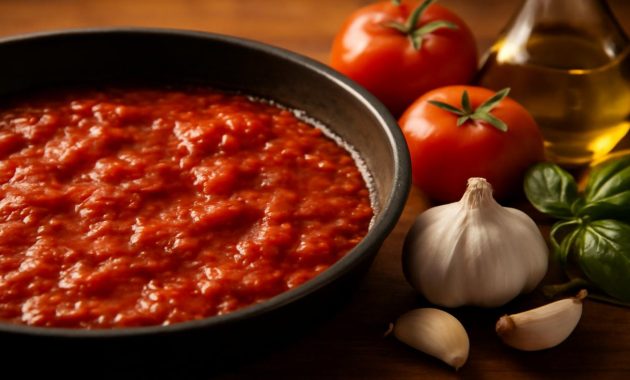
The first time you smell real pasta sauce slowly waking up in your own kitchen, it hits you in waves. There’s that first curl of garlic lifting from the pan, the soft hiss of tomatoes meeting hot oil, the way the room seems to change temperature as the sauce thickens and darkens. Suddenly, a simple Tuesday night feels a little like a quiet corner table in a small Italian restaurant, candles low, someone in the back tasting and adjusting until it’s just right. Except this time, it’s you—and you used only four ingredients.
The Quiet Magic of “Just Enough”
We live in an age of everything-extra. Twenty-ingredient sauces, shelves of spices, jars and tubes and pastes all promising “authentic flavor.” But when you strip pasta sauce back to its essentials, something surprising happens: the ingredients stop hiding behind each other, and every one of them has to pull its weight.
Think about the very best sauces you’ve had in restaurants—the ones you still remember weeks later. They usually don’t shout. They’re not overloaded with herbs or cream or sugar. They’re balanced, velvety, and somehow both simple and deep. That’s the sweet spot you’re aiming for at home, and you don’t need a chef’s jacket or a bag of tricks to get there.
All you really need are four things:
- Good tomatoes
- Fragrant garlic
- Olive oil with some personality
- Salt that you’re not afraid to use
That’s it. No onion, no butter, no sugar to “fix” things, no elaborate herb garden. Just four ingredients and a little time on the stove. The richness, the restaurant-style gloss, the depth of flavor—those come from how you treat those ingredients, not how many you throw into the pot.
Choosing the Four Ingredients Like a Chef
Before anything touches a pan, restaurant-quality sauce begins at the most unromantic part of cooking: shopping. But this is where you quietly stack the deck in your favor. Because when you’re only using four ingredients, each one is 25% of the final flavor. There’s nowhere to hide.
Tomatoes: The Soul of the Sauce
If you’re using canned tomatoes—and for most of the year, you should—look for whole peeled tomatoes in their own juice. Avoid anything that shouts “Italian-style” with mystery seasonings added. You want a label that basically says: tomatoes, tomato juice, maybe a whisper of basil, and salt.
Whole tomatoes give you more control over texture and intensity. You can crush them by hand for a rustic, chunky sauce or blend them smooth. Many chefs quietly prefer them over pre-crushed tomatoes because the flavor is often brighter and less metallic.
Fresh tomatoes can be gorgeous in late summer, the kind you can smell before you touch them. If you use them, choose plum or Roma types, heavy for their size, and be prepared to cook them longer. The goal is the same: cook out the water, concentrate the flavor.
Garlic: The Accent, Not the Headline
Garlic can be either poetry or punishment. The difference usually comes down to how it’s cut and how it meets the heat.
For a rich, restaurant-quality sauce, skip the garlic press and pre-chopped jars. Instead, use whole cloves, freshly peeled. Slice them thin if you want them visible and gently sweet, or gently smash and roughly chop them if you prefer them to disappear into the sauce. When garlic is sliced, it cooks more slowly and evenly, releasing flavor into the oil without burning into bitterness.
Olive Oil: Your Hidden Luxury
Olive oil in this sauce isn’t just a cooking medium; it’s a flavor and a texture. It carries the garlic, softens the tomatoes, and gives the sauce that silkiness that clings so beautifully to pasta.
You don’t need the most expensive bottle from a museum-like shop, but you do want an extra-virgin olive oil that actually tastes like something—fruity, peppery, or grassy. Taste a spoonful. If you could happily dip bread into it, you can happily build a sauce on it. If it tastes flat or greasy, keep walking.
Salt: The Invisible Sculptor
Salt is where home cooks most often fall short of restaurant results. In a kitchen with paying customers, sauce is seasoned, tasted, adjusted, tasted again. Salt doesn’t just make things salty; it sharpens the edges of flavor, turns down the acidity, and pulls sweetness forward.
Use fine sea salt or kosher salt so it dissolves evenly. Add it in stages: early, middle, and late. Each addition has a job to do—pull moisture out of the tomatoes, lift aromas, then fix the final balance.
From Four Ingredients to Liquid Gold: The Process
The method is where the transformation happens. You could dump everything into a pot and walk away, and you’d end up with something edible. But if you want that deep, restaurant-level richness—where the sauce tastes like it’s been slowly thinking about itself all afternoon—pay attention to the steps.
Step 1: Warming the Oil, Inviting the Garlic
Set a wide pan—a skillet or sauté pan, not a deep pot—over medium-low heat. The width matters. The more surface area, the more gently your sauce can reduce and concentrate without drowning itself in steam.
Pour in a generous puddle of olive oil. More than you think you need. This oil is going to become part of the sauce’s body, not just a slippery layer on top.
When the oil is warm—not sputtering, not smoking—slide in your garlic. You want to hear a soft, lazy sizzle, as if the garlic is exhaling, not screaming. Stir it occasionally, watching closely. You’re chasing a pale golden color at the edges, not brown. Once you smell that sweet, toasty perfume rising from the pan, the garlic is ready.
Step 2: Introducing the Tomatoes
Now comes the moment that always feels like a tiny bit of theater. You add the tomatoes. If you’re using canned whole tomatoes, crush them in your hands over the pan or a bowl—feel them break, feel the seeds slip between your fingers, feel the juice run down your palms. That small mess is part of the experience.
When those tomatoes hit the garlicky oil, there’s an instant bright hiss. The kitchen smells like promise. Stir, scraping any caramelized garlic from the bottom into the sauce so nothing is lost.
Add a measured pinch of salt. Not enough to fully season, just enough to start drawing flavor out. The sauce will look thin and a bit chaotic at first—bright red, flecked with garlic, oil swirling on top. This is the “before” picture.
Step 3: The Slow Simmer
Turn the heat down until the surface of the sauce barely trembles. You want quiet movement, not aggressive bubbling. This is the part that restaurants never rush, and you shouldn’t either.
As the minutes pass, the sauce begins to thicken. Water escapes as steam, and what’s left behind gets more intense. The oil slowly emulsifies into the tomatoes, changing the texture from sharp and watery to luxurious and slightly glossy.
Every 10 minutes, give it a lazy stir. Taste. The acidity softens. The garlic mellows. The tomatoes go from bright red to a deeper, almost brickier shade. Add another small pinch of salt if it still tastes flat or sour.
Somewhere around the 30–40 minute mark, you’ll notice the spoon leaving gentle tracks in the sauce. When you swipe your finger across the back of the spoon, the sauce should cling, leaving a clean line that doesn’t instantly close. That’s when you know it’s approaching restaurant territory.
Reading the Sauce Like a Chef
Chefs don’t follow strict sauce timers; they follow clues. Your sauce will talk to you if you pay attention, even if it only has four ingredients.
Texture: The Way It Moves
Watch how the sauce behaves when you tip the pan. In the beginning, it races to one side like tomato water. As it cooks, it starts to move more slowly, like it’s thinking about each step. The oil that once sat on the surface now seems woven into the body of the sauce.
When you stir, the sauce should feel slightly resistant but not heavy. Think silk, not mud.
Flavor: Tuning the Balance
As you taste, ask yourself simple questions:
- Is it too sharp? Keep cooking; time is your sweetest ingredient.
- Is it dull? Add a tiny bit more salt and cook a few minutes longer.
- Is it too thick and intense? Loosen it with a spoonful of hot pasta water later.
That last small addition of salt, near the end, is where the sauce suddenly “arrives.” One moment it’s fine, the next it’s quietly, undeniably right. That’s your restaurant moment.
Marrying Sauce and Pasta the Restaurant Way
There’s one last secret restaurants keep: they don’t just pour sauce onto pasta. They finish cooking the pasta in the sauce. That’s where everything clicks into place.
Finishing in the Pan
Boil your pasta in well-salted water until it’s just shy of done—still a bit too firm in the center. Scoop out a cup of starchy pasta water, then drain the rest.
Slide the pasta straight into the pan of simmering sauce. It should look a little tight at first, like there’s not quite enough sauce. This is where that reserved pasta water comes in: add a splash and toss. The starch in the water helps the sauce and pasta cling to each other, creating that glossy, almost creamy coating without adding cream.
For 1–2 more minutes, the pasta finishes cooking in the sauce, absorbing its flavor. Taste a noodle. It should be al dente, tender with a small, satisfying bite. The sauce should feel like a natural extension of the pasta, not a separate layer.
A Simple Table of Ratios
Use this quick guide to scale your four-ingredient sauce depending on how many people you’re feeding:
| Servings | Pasta (dry) | Tomatoes | Olive Oil | Garlic Cloves |
|---|---|---|---|---|
| 1–2 | 150–200 g | 1 cup (about 240 ml) | 3 tbsp | 2–3 |
| 3–4 | 300–400 g | 2 cups (about 480 ml) | 5–6 tbsp | 4–5 |
| 5–6 | 500–600 g | 3 cups (about 720 ml) | 7–8 tbsp | 6–7 |
Salt is always “to taste,” added gradually. Trust your tongue more than any exact number.
Small Tweaks, Big Payoff (Without Adding Ingredients)
Part of the quiet joy of this four-ingredient sauce is discovering how much you can change just by altering technique and timing, not the ingredient list.
For Extra Richness
Cook the sauce longer over low heat, letting it reduce more deeply. Stir less often and give it time to caramelize slightly at the edges of the pan before scraping those flavorful bits back in. You’re not burning; you’re building.
For a Brighter, Fresher Taste
Cook it a bit less, keeping the tomatoes lighter and more vivid. Add a final drizzle of your olive oil right at the end, off the heat, and swirl it in. That fresh oil aroma will rise up the moment the sauce hits the hot pasta.
For Silky Smooth Sauce
Blend the tomatoes before you cook them, or use an immersion blender at the halfway mark. Then let the pureed sauce continue to simmer and reduce. You’ll end up with a velvety, restaurant-style consistency that coats every strand of pasta evenly.
The Quiet Ritual of Serving
Restaurant quality isn’t just about flavor—it’s also about how you bring it to the table. Even in a small kitchen, with a single pan and a modest stack of bowls, you can borrow a few rituals from the pros.
Warm your bowls with a splash of hot water while the pasta finishes cooking; then pour the water out and dry them. Twirl the pasta into the bowls straight from the pan, rather than serving from the pot at the table. Let each portion arrive with a little shine of olive oil from the sauce, a small pool collecting gently at the bottom.
Stand back for a moment and notice the aroma: a little garlic, a lot of tomato, that soft, round fullness that only comes from olive oil and time. All from four ingredients you can count on one hand.
The beauty of this sauce is not that it’s complicated. It’s that it proves something quietly radical: you don’t need much to cook like a restaurant at home. You just need to pay attention—to the garlic as it turns gold, to the tomatoes as they thicken, to the heat, to the salt, to your own sense of “this tastes right now.”
On another night, you might add basil or chili flakes or a spoonful of butter. That’s the fun of cooking. But once you’ve made this four-ingredient version, once you’ve watched it slowly shift from raw and loud to deep and composed, you’ll know that the heart of a great pasta sauce is not in the extras. It’s in the way you treat the essentials.
Frequently Asked Questions
Can I use crushed or passata-style tomatoes instead of whole?
Yes. Crushed tomatoes or passata work well and save time. Whole tomatoes just give you more control over texture and are often slightly better in flavor. If using crushed or passata, watch the thickness carefully as they may reduce a bit faster.
How long should I cook the sauce for best flavor?
A good range is 30–45 minutes over low heat. Under 20 minutes, the sauce often tastes a bit sharp and thin. Beyond 45–60 minutes, it can become too thick or overly reduced unless you adjust with a splash of water or pasta water.
What if my sauce tastes too acidic?
First, cook it longer; time softens acidity. Second, add a small pinch more salt to round out the flavor. If it’s still too sharp, you can reduce the heat and stir in a little more olive oil. With just these four ingredients, time and salt are your best tools.
Can I make this sauce ahead of time?
Absolutely. This sauce keeps well in the refrigerator for 3–4 days. Reheat it gently over low heat, and if it has thickened too much, loosen it with a little water or pasta water when you add the pasta.
What types of pasta work best with this simple sauce?
Spaghetti, linguine, and bucatini are classics, but short shapes like penne or rigatoni also work beautifully. The key is finishing the pasta in the sauce for a minute or two so that the sauce and pasta become one dish instead of two separate elements.