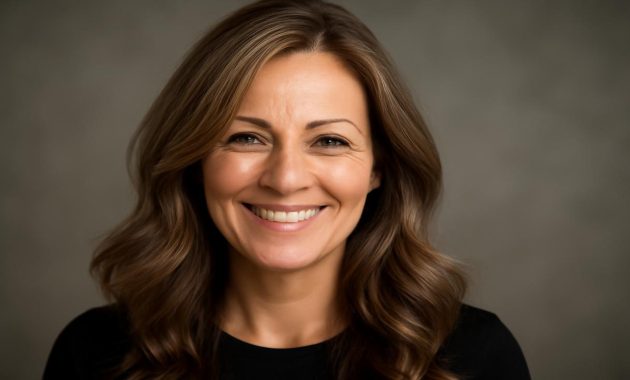
The first thing you notice is the smell. Not the sharp, eye-watering tang of ammonia that used to cling to salon air like a storm cloud, but something gentler. Steam, warm and herbal. Crushed leaves. A hint of earth after rain. In the chair next to you, a woman in her fifties laughs as her stylist paints a deep, mossy paste onto her silver roots. “I used to dread this,” she says, “but now it feels like a spa day for my scalp.”
This is not the hair-color ritual you grew up with. No plastic cape crackling under fluorescent lights. No burning sensation at the nape of your neck while a ticking clock reminds you that beauty comes with a cost. There’s a quiet revolution humming in salons and bathrooms around the world—a new way to color hair that doesn’t just hide grey but seems to whisper: you’re allowed to age, and you’re allowed to glow while you do it.
The Silent Fade of the Dye Box Era
If you close your eyes, you can probably still picture it: the box stacked on the drugstore shelf, the impossibly glossy model on the front, the promise of “100% grey coverage!” in bold letters. For decades, traditional hair dye was less a choice than a default—like deodorant or toothpaste. When the first stray silver strand appeared, the reflex was automatic: cover it up, fast.
But the cracks in that ritual have been visible for a while. People remember the headaches that followed a color session. The itchy, red scalp that lingered after a rushed appointment. The towels stained with harsh chemicals and the quiet unease of rinsing unnaturally colored water down the drain. The box promised youth, but it didn’t mention the stinging eyes, the chemical smell that wouldn’t wash out for days, or the sense that you were fighting a battle time always wins.
At the same time, another storyline began tugging at our collective attention: what if aging didn’t have to mean disappearing? What if getting older could mean softening instead of hardening—looking rested and vibrant, not painted and polished within an inch of your humanity? Slowly, the “all or nothing” approach to hair color started to feel outdated, like shoulder pads or low-rise jeans.
The Moment the Mirror Started Asking Different Questions
For many people, the turning point wasn’t a glossy ad or a scientific paper; it was a quiet moment in front of the bathroom mirror. Maybe it was you, running your fingers through your hair and noticing that the grey at your temples wasn’t just “loss of pigment” but something more like a new pattern, a new texture. The glint of silver caught the morning light and looked—dare you say it?—beautiful.
But there was a catch. Just letting grey grow in felt risky, like stepping out on stage without makeup for the first time. Going completely natural can be freeing, yet for some, it also comes with a sudden, jarring shift in how the world sees you. You might feel young, energized, curious—but the mirror can tell a harsher story if the transition feels too abrupt.
This is where the new trend quietly slipped into place: not anti-grey, not pro-dye, but something in between. A way of coloring that doesn’t scream “I’m hiding” but whispers, “I’m softening, I’m blending, I’m choosing.” Natural color that works with your greys instead of waging war against them. Shades that look like your hair did ten years ago, just…rested. Calmer. As if you’ve been sleeping better and worrying less.
The Rise of Plant-Based Color Rituals
Step into a modern “conscious color” salon, and your senses tell you immediately that you’re not in the dye-box era anymore. You’ll see metal bowls of botanically infused pastes instead of neon-colored creams. There might be jars of powdered leaves, ground roots, and dried flowers: henna and indigo, cassia and amla, walnut hull and chamomile. The tools haven’t changed much—brush, gloves, foil—but the energy has.
Rather than stripping the hair and forcing pigment inside, many of these new approaches wrap each strand in a sheath of plant color. It’s more like glazing pottery than spray-painting metal. The result is often subtle yet transformative: grey strands turn into soft highlights rather than harsh, flat blocks of color. Hair looks thicker because each strand is gently coated. Light doesn’t just bounce off the surface; it moves through it, like sunlight filtering through leaves.
People describe the experience in unexpectedly sensual terms. The warmth of the paste as it’s massaged along the roots. The earthy scent that makes you think of forests, not factories. The absence of that telltale sting on the scalp. “It feels…kind,” a client in her early sixties tells her stylist, flexing her fingers in the air. “Like my hair is being taken care of, not punished.”
What “Younger” Actually Looks Like Now
There’s a subtle but important shift happening underneath this trend. For a long time, “looking younger” meant erasing signs of age—cover every grey, plump every line, freeze every expression. But more people are quietly rewriting that script. Youthfulness is starting to mean something closer to “alive,” “present,” and “authentically you,” rather than “indistinguishable from a retouched photo.”
Natural grey-blending color plays directly into that shift. Instead of obliterating every silver hair, it softens the contrast. The harsh demarcation line between dyed and grey grows fainter, replaced by a gradient. Your hair doesn’t announce your age; it suggests your story. The softened tones echo the warmth in your skin, the brightness of your eyes, the way you move when you’re comfortable in your body.
It’s not about pretending you’re 25. It’s about looking like the most rested, radiant version of the age you are. As one stylist put it while rinsing a client’s beautifully blended brunette-with-silver-lights: “We’re not deleting your years. We’re letting them glow instead of glare.”
Listening to Your Hair Like It’s Trying to Tell You Something
Underneath the desire for gentler color lives another, often quieter longing: to actually feel good in your hair, not just look good in it. Traditional dyes can leave hair feeling dry, frayed, or strangely hollow—shiny on the surface but brittle beneath. You might get the shade you wanted but lose the softness you loved.
Many of the new natural and low-tox approaches flip that script. They treat hair like something living and responsive, not just a blank canvas for pigment. Oils like argan, jojoba, and coconut join the color mix. Botanical extracts soothe the scalp instead of assaulting it. Instead of a chemical scorched-earth policy, you get a kind of slow, cumulative nourishment.
Imagine emerging from a color session with hair that feels thicker when you twist it into a bun, smoother when it brushes against the back of your neck, heavier in that luxurious way healthy hair can be. Grey strands that once felt wiry soften into silkier ribbons of moonlight. Even the simple act of washing your hair becomes more tactile: your fingers glide instead of snag.
Here’s a simple comparison of how the old and new approaches stack up in everyday life:
| Experience | Traditional Chemical Dyes | Natural Grey-Blending Color |
|---|---|---|
| Smell & Sensation | Sharp chemical odor, possible stinging or burning | Herbal, earthy scent; warm, soothing application |
| Effect on Hair | Can feel dry, fragile, or over-processed | Often feels thicker, smoother, more conditioned |
| Look Over Time | Obvious regrowth line; frequent touch-ups | Soft regrowth; greys blend instead of stark contrast |
| Vibe | Covers signs of age, can look “done” or flat | Enhances natural tones, looks dimensional and lived-in |
None of this means that every plant-based or gentle formula is perfect, or that all chemicals are villains. It means more people are asking their hair how it feels, not just how it looks—and adjusting accordingly.
The Emotional Weight of Stepping Away from the Dye Cycle
What’s most striking about this new movement isn’t just the ingredients; it’s the emotional release that seems to come with them. Letting go of traditional dyes is rarely just a practical choice. It’s often tangled up with old beliefs about worth, visibility, and what it means to be “put together.”
There’s the woman who’d booked standing dye appointments every four weeks for fifteen years, never once letting her grey grow beyond a faint shadow. The first time she tried a natural grey-blending treatment, she kept checking herself in the mirror as if waiting for disappointment to settle in. Instead, she tilted her head and laughed. “I look like me,” she said slowly. “Just…like I’ve actually been on vacation.”
Or the man who started to salt at his temples in his late thirties. He didn’t want the stark, monotone black of a quick box dye, but he also wasn’t ready for colleagues to start making jokes about “distinguished silver fox” status. A gentle blend treatment softened the contrast, letting his grey show through as a subtle halo rather than a lightning bolt. He felt less like he was disguising himself and more like he was editing a story he still wanted to tell.
There’s power in that middle path. It says: I’m not at war with my age, but I’m also not obligated to surrender to every harsh line or stark streak. I can collaborate with time instead of resisting it or giving up completely. Hair becomes a living negotiation between who you’ve been and who you’re becoming.
Rituals, Not Chores: Reclaiming the Color Experience
In many ways, the real magic of this trend sits in the rituals surrounding it. Coloring your hair no longer has to feel like ticking off a maintenance chore. It can become a deliberate act of care—a quiet hour where life slows down, where your head is cradled in warm hands, where the scent of crushed plants reminds you that you, too, are part of something organic and changing.
At home, people are turning color sessions into small ceremonies: laying out old T-shirts that have become soft with history, lighting a candle, mixing herbal powders with warm water in a favorite bowl. Instead of rushing and hoping not to stain the bathroom tiles, they let the paste rest on their hair while they read, stretch, or sit by a window, watching the sky change. The timer becomes less of an alarm and more of a gentle bell.
In salons, stylists who once juggled back-to-back chemical appointments now talk about feeling more like guides than technicians. They study the unique pattern of your grey, the way your hair catches the light, the undertones of your skin and eyes. They blend custom shades meant to echo the colors already in you, not paste on a standardized “medium brown 6N.” Clients leave feeling not only refreshed but recognized.
Goodbye, then, to the old script that said beauty must hurt, must burn, must overwhelm your senses with fumes. Goodbye to the frantic root check in every elevator reflection. In its place, a slower, kinder ritual is taking root—one that treats your hair as a record of your seasons, not a problem to be fixed.
Is This Trend for You? Listening for Your Own “Yes”
You might be reading this with a familiar tug in your chest. Maybe your first greys have just started to appear, and you’re standing at a crossroads: fade into the dye cycle, go fully silver, or try something in between. Maybe you’ve been coloring for decades and are exhausted by the endless maintenance, yet terrified of what happens if you simply…stop.
The emerging world of natural, grey-blending color doesn’t come with a rulebook. It doesn’t insist that everyone go plant-based or that all chemicals are off-limits forever. It simply offers new choices and encourages you to respond to what feels right in your body, your lifestyle, your story.
For some, that might mean a gradual transition: spacing out traditional dye appointments while introducing gentler glosses or botanical masks that soften the line between old color and new growth. For others, it might start with one brave appointment where you ask your stylist to work with your grey pattern instead of obliterating it—to create lowlights and soft tones that frame your face and brighten your eyes.
There will be awkward weeks, maybe even awkward months. Hair grow-out is rarely neat or obedient. But somewhere in that slow shift, you may catch a glimpse of yourself in an unguarded reflection—a shop window, a subway door—and do a double take. Not because you look younger in the artificial sense, but because you look more like yourself than you have in a long time.
In the end, saying goodbye to traditional dyes isn’t only about ingredients, or trends, or what’s buzzing on social feeds this week. It’s about how you want to feel when you run your hands through your own hair. It’s about whether you want your reflection to feel like a negotiation or a conversation. And it’s about realizing that youthfulness is less a color on a box and more a quality of light—a particular way your hair, your face, your whole being meets the world.
Grey will come, as surely as seasons turn. But how you greet it—whether with war paint, surrender, or a quiet, collaborative blending—that’s where the new story is being written. And for many, that story now smells less like ammonia and more like rain-soaked leaves, warm herbal steam, and the soft thrill of seeing themselves, fully, without flinching.
Frequently Asked Questions
Does natural grey-blending color really cover grey hair?
It often softens and camouflages grey rather than erasing it completely. Greys become highlights or low-contrast strands that blend into your base color, making them far less noticeable while still looking natural.
Will my hair look darker or obviously “dyed” with these methods?
Most natural and grey-blending approaches aim for translucency and dimension, not opaque blocks of color. The result is usually softer and more multi-tonal than traditional box dyes, so your hair looks refreshed rather than obviously colored.
Can I switch from traditional dye to natural color in one step?
You can, but the transition is smoother when it’s planned. Many people phase out harsh dyes, using blending techniques, glosses, or strategic cuts to help the old color grow out while new, gentler tones are layered in.
Are plant-based or gentle dyes completely chemical-free and safe?
“Natural” doesn’t always mean 100% chemical-free, and even plant-based ingredients can cause reactions in some people. It’s wise to do a patch test and talk with a knowledgeable stylist about your sensitivities and goals.
How often will I need touch-ups with grey-blending color?
Because regrowth lines are softer, many people can comfortably stretch appointments to six, eight, or even twelve weeks. The schedule is more flexible, and your hair usually looks “intentionally lived-in” rather than obviously overdue for a touch-up.