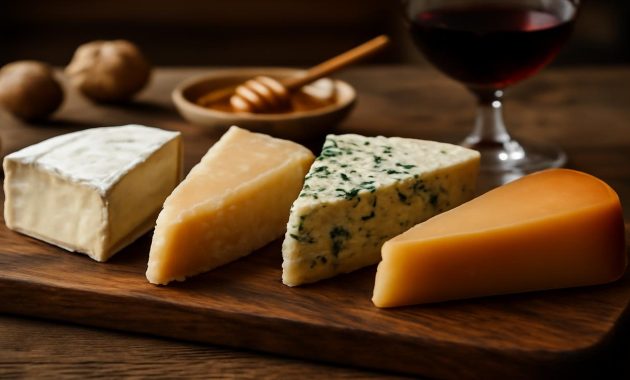
The smell hits you first—nutty, salty, faintly sweet. A small wedge of aged cheese rests on the cutting board, beaded with the slightest sheen under the kitchen light. Outside, the late afternoon sun angles through the window, catching motes of dust in the air. Somewhere in the next room, a radio plays an old song, and an elderly woman hums along, lips moving with lyrics her mind still holds. You cut a sliver, taste it, and for a moment everything seems simple: flavor, memory, comfort. But behind that small, ordinary ritual lies a question that scientists and families around the world are asking with increasing urgency: could a food as humble as cheese help protect the brain against one of the defining health crises of our time—dementia?
A World Growing Older—and More Forgetful
The numbers are stark, even if they don’t immediately show on the faces of our neighbors, parents, or grandparents. Dementia, an umbrella term for conditions marked by declining memory and thinking—Alzheimer’s disease being the most well-known—is rising at a pace that feels almost tidal. As populations age, especially in regions where people are living longer than ever before, the risk is no longer some distant medical abstraction. It’s the abrupt pause in conversation when a familiar name vanishes mid-sentence. It’s the once-fierce matriarch who suddenly cannot find her way home from a street she has walked for forty years.
Doctors can’t yet offer a cure. Medications exist, yes, but they tend to modestly slow symptoms rather than reverse them. That makes prevention—and even small nudges toward resilience—feel incredibly precious. Sleep, exercise, mental stimulation, social connection, blood pressure control: these are now the cornerstones of brain-protective advice. But there’s another, quieter player stepping into the spotlight, carried on cutting boards and tucked into sandwiches: our everyday food choices. Among them, cheese has emerged in research not just as a guilty pleasure, but as a possible ally.
The Quiet Science Inside a Slice of Cheese
Picture a table in a research lab on the other side of the world: not wood and linen, but glass and steel, illuminated by harsh white light. Instead of crackers and fruit, there are data files, brain scans, and spreadsheets full of dietary records. Over the last decade, scientists have been combing through massive population studies, asking people what they eat, then tracking their brain health over years or even decades.
Again and again, some of these studies have flagged an intriguing pattern: people who regularly eat certain dairy products, including cheese, appear less likely to develop cognitive decline or dementia. Not all studies agree with perfect harmony—we are dealing with real humans and wildly varied diets, after all—but the signal keeps reappearing, persistent as an echo.
What makes cheese such an interesting suspect in this unfolding story?
- Healthy fats: Many cheeses contain a mix of saturated and unsaturated fats. While saturated fat once wore the villain’s mask in every nutrition story, context now matters. In moderate amounts and within an overall balanced diet, dairy fats may support brain structure—our brains are, after all, rich in fatty tissue.
- High-quality protein: Cheese provides essential amino acids needed for neurotransmitters, the tiny chemical messengers that help brain cells talk to each other.
- Vitamins and minerals: B vitamins, vitamin A, calcium, zinc, and phosphorus all support nerve function, bone health, and overall cellular resilience.
- Fermentation magic: Aged and fermented cheeses carry unique bioactive compounds and may influence our gut microbiome—a bustling microbial world now thought to communicate constantly with the brain.
In plain terms: cheese is more than a decadent treat. It’s a dense, complex bundle of nutrients and living history, shaped by time, microbes, milk, and salt. And some researchers suspect that this complexity might translate into something profound inside the human brain.
From Pastures to Neurons: Why Cheese Might Matter
Imagine following a drop of milk from a grazing animal in a sunlit field into the neural circuits of a human brain years later. The path, of course, is not literal, but the connections are real enough. Milk becomes curds and whey. Curds are salted, pressed, and aged; the proteins and fats shift and mature. Fermentation bacteria and molds create new molecules—small peptides, fatty acid derivatives, unusual compounds that never existed in the original milk. When we eat cheese, those molecules enter our bodies, mingle with our own biochemistry, and may influence inflammation, blood vessels, or even gut-brain signaling.
Some observational studies suggest that regular cheese eaters tend to have better performance on memory tests and a lower risk of cognitive decline as they age. One theory is that certain dairy fats and bioactive peptides may support the integrity of cell membranes in the brain, helping neurons maintain their structure and communicate effectively. Another idea focuses on blood vessels. Since vascular health is tightly linked to dementia risk, any food that supports healthier arteries—by reducing inflammation or improving cholesterol profiles in a nuanced way—might indirectly shield the brain.
There’s also the gut. Those clouds of unseen bacteria in our intestines are now believed to influence mood, immunity, and even cognition. Certain cheeses, especially those with active cultures, may nourish a diverse and stable gut microbiome, which in turn can send anti-inflammatory, brain-supportive signals along the gut-brain axis. It’s a quiet symphony of microscopic players, with cheese as part of the orchestra.
Balancing Pleasure and Prudence
Of course, this is where we have to step carefully. Cheese, for all its charms, is not some miraculous silver bullet against dementia. It comes loaded with calories, often with plenty of saturated fat and salt. It’s entirely possible to eat far more than your body actually needs, especially when that soft, creamy wedge is sitting temptingly close to your hand.
Yet the story science is telling now is less about restriction and more about balance. When researchers look at dietary patterns associated with healthier aging brains—the Mediterranean diet, for example, or variants of the MIND diet (crafted specifically for brain health)—cheese often plays a modest, happily included role. Not a mountain of it, but regular, enjoyable servings woven into meals filled with whole grains, vegetables, fruits, fish, legumes, and olive oil.
So the question becomes less “Is cheese good or bad?” and more “How might we place cheese within a pattern of eating that gives the brain its best shot at staying sharp?” In that question, there’s room for both sensory joy and scientific caution.
How Much, How Often, and Which Cheeses?
Nutrition science rarely deals in absolutes, but some patterns are emerging that can guide everyday choices. The table below offers a simple, mobile-friendly snapshot of ways cheese may support brain health—and how to keep it in a brain-smart balance.
| Aspect | Brain-Health Angle | Practical Tip |
|---|---|---|
| Portion Size | Supports benefits without excess calories or salt. | Aim for about 30–40 g (a small matchbox-sized piece) once a day or a few times per week. |
| Cheese Type | Aged and fermented cheeses contain unique bioactive compounds. | Include varieties like cheddar, gouda, parmesan, or blue in rotation, if tolerated. |
| Overall Diet | Cheese seems most protective when eaten in a balanced, plant-rich diet. | Pair cheese with whole grains, vegetables, nuts, and fruits rather than processed meats and refined carbs. |
| Heart Health | Healthy blood vessels lower dementia risk. | If you have high blood pressure or cholesterol, choose slightly lower-sodium or lower-fat options and monitor portions. |
| Lifestyle Context | Diet works best alongside other brain-supportive habits. | Combine regular cheese intake with exercise, good sleep, and mental and social engagement. |
Notice how none of this suggests building a diet that revolves around cheese. Instead, it recognizes cheese as a flavorful, nutrient-dense detail—a small, satisfying brushstroke on a much larger canvas of habits that either support or strain the brain over time.
Memory at the Kitchen Table
If you step back from the laboratory and re-enter the soft light of a family kitchen, the science suddenly feels intimately personal. Dementia is not just about neurons and plaques; it’s about chairs at the table gradually growing quieter, stories fading mid-sentence, a careful dance of caregiving replacing once-easy independence.
In many cultures, cheese has always had a place at that table. Think of a grandmother grating a hard, fragrant cheese over steaming pasta, or a father carefully arranging slices of bread, tomatoes, and cheese for his child’s lunch. These rituals are as much about identity and continuity as they are about nutrition. And continuity is precisely what dementia puts at risk.
When we talk about cheese as a potential protective food, then, we’re also talking about continuity: of taste, of shared meals, of small daily pleasures that help anchor a life. If integrating a modest slice of cheese into a thoughtful, balanced diet can nudge the odds—just a bit—toward preserving those anchors, the impact feels larger than any chart or risk ratio can convey.
Designing a Cheese-Friendly, Brain-Friendly Day
Imagine a typical day with brain health in mind, where cheese appears not as a guilty indulgence but as a welcomed guest.
Morning might begin with whole-grain toast, sliced avocado, and a light sprinkling of crumbled feta. There’s coffee or tea, maybe a handful of berries on the side. The first meeting of the day is taken with a brisk walk beforehand, heart pumping, lungs filling with cool air.
Lunch arrives with a hearty salad: mixed greens, chickpeas, colorful vegetables, olive oil, and a few small cubes of aged cheddar for richness and staying power. Later, there’s a phone call with a friend, a shared laugh, a crossword puzzle or a chapter in a challenging book—mental muscles flexing quietly.
Dinner might be a vegetable-packed soup with a heel of whole-grain bread and a matchbox-sized wedge of fragrant gouda, savored slowly. Perhaps the evening ends with music or conversation instead of endless scrolling, the brain easing into restorative sleep.
In such a day, cheese isn’t the star. It’s a recurring note, woven into a tapestry of movement, connection, and nourishment. Yet over months and years, that tapestry becomes the landscape in which the brain ages—either with resilience or with greater vulnerability.
Hope, Uncertainty, and What We Can Do Now
There’s an honesty we owe ourselves when talking about dementia: we cannot eat, exercise, or supplement our way to absolute protection. Some people will do many things “right” and still face memory loss. Genetics, lifelong exposures, chance—all play their own complicated roles.
But there is another truth as well: even small shifts in risk, multiplied across millions of people, could profoundly reshape the global dementia landscape. If regular, moderate cheese consumption within a wholesome diet can slightly delay the onset of cognitive decline for many, the result could be more years of independent living, fewer overwhelmed caregivers, less strain on health systems, and more time for loved ones to share stories while those stories are still accessible.
That is why scientists are paying such close attention—not because cheese is magic, but because small, feasible dietary adjustments are one of the few tools available to nearly everyone. A world where brain-friendly eating becomes as routine as brushing one’s teeth would still be imperfect, still full of heartbreak and uncertainty—but it would also be a world where we are not helpless.
So the next time you cut into a wedge of your favorite cheese and breathe in its complex aroma, you might think of the long chain of relationships that brought it to your table: soil, grass, animals, farmers, artisans, microbes, time. And then, perhaps, one more link in the chain: neurons, synapses, the fragile, luminous web of memory itself. The link is not guaranteed, but it is possible—and possibility is often where hope begins.
Frequently Asked Questions
Does eating cheese really reduce the risk of dementia?
Some observational studies suggest that people who regularly eat moderate amounts of cheese, especially as part of a balanced, plant-rich diet, may have a lower risk of cognitive decline or dementia. However, these studies cannot prove cause and effect. Cheese appears to be a potentially protective piece of a much bigger lifestyle picture, not a stand-alone cure or guarantee.
How much cheese is considered “regular but moderate” consumption?
Many nutrition experts would consider around 30–40 grams per day—or similar amounts a few times per week—to be a moderate portion for most adults. This is roughly the size of a small matchbox. Individual needs vary, especially for people managing weight, blood pressure, or cholesterol, so it’s wise to adjust portions with a health professional’s guidance.
Are some cheeses better for brain health than others?
Research does not yet point to a single “best” cheese, but aged and fermented varieties—such as cheddar, gouda, parmesan, or certain blue cheeses—are often highlighted for their complex nutrient and bioactive profiles. Softer cheeses like feta or ricotta can also fit well into a brain-friendly diet. The key is variety, quality, and mindful portions rather than chasing one perfect option.
What if I’m lactose intolerant or avoid dairy?
Many aged cheeses are naturally lower in lactose and can be better tolerated than milk, but this varies by person. If you avoid all dairy or are vegan, you can still support brain health through other foods rich in healthy fats, plant proteins, B vitamins, and antioxidants—such as nuts, seeds, legumes, whole grains, fruits, and vegetables. While plant-based “cheeses” may not yet have the same research behind them, a thoughtfully planned diet can still be highly brain-supportive.
Can I rely on cheese alone to protect my brain?
No. Cheese, even if it has protective potential, is only one small factor among many. The strongest evidence for dementia risk reduction points to an overall pattern: regular physical activity, adequate sleep, not smoking, managing blood pressure and diabetes, staying mentally and socially engaged, and eating a varied, minimally processed, mostly plant-based diet that may include modest amounts of cheese. Think of cheese as one harmonious note in a much larger symphony of habits that, together, support the aging brain.