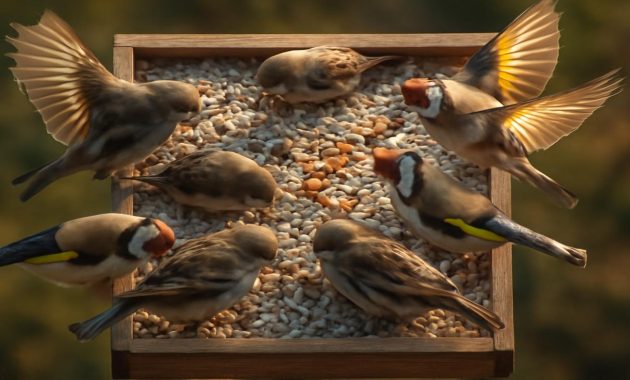
The first bird finds it before the sun does. A soft thump of wings, a flash of movement at the edge of the kitchen window, and there it is: a plump little junco, hopping with serious purpose along the snow-dusted railing. You’re still half-asleep, hands wrapped around a mug that hasn’t yet cooled enough to sip. But the birds already know it’s breakfast time. They’ve come for the one winter treat that has turned your quiet December garden into the busiest place on the block—cheap, humble, and so wildly effective that bird lovers swear it borders on magic: plain old oatmeal.
The Quiet Secret of the Oatmeal Crowd
If you talk to people who feed birds year-round, you’ll notice a pattern in their stories about winter. They’ll tell you about the day the temperature dropped, the first real snowstorm, the first morning when the garden went silent—and then the one small change that brought everything back to life. It usually starts with someone saying, “Have you ever tried oats?”
Not special formulated bird pellets. Not boutique wild bird blends in glossy bags. Just simple oats—the same thing sitting quietly in your pantry, waiting to become breakfast.
Oatmeal, especially plain rolled or quick oats, is one of those forgotten, old-fashioned bird treats that previous generations quietly depended on and we somehow lost track of. It’s cheap, stores easily, and in December, when insects vanish and natural seeds get buried or frozen, it becomes a small, life-saving energy packet for cold little bodies trying to survive long nights.
You notice it the first time you sprinkle it out. Maybe you’re skeptical. Maybe you’re just out of your usual seed mix and improvising. But winter birds are experts at reading the landscape. Within a day or two, word gets out. Juncos begin to hop in little gray storms across the patio. Sparrows stage committee meetings on the railing. Titmice, chickadees, and nuthatches drop down like tiny daredevils, grab a flake, and vanish again into the bare branches.
There’s a rhythm to it, an almost ritual feel. Every December morning, you put out the oats. Every December morning, the birds appear—as reliable as the coffee maker humming to life on the counter behind you.
The December Hunger You Don’t See
By the time December rolls in, your garden has slipped into what looks like sleep. Leaves have blown away. Flowers have collapsed back into the earth. The air is cold enough that you see your breath when you open the back door, even if it’s only for a moment to top up the feeder.
But for the birds, this isn’t simply a quiet season—it’s the most demanding part of the year. Nights are long and brutally cold, and small birds can lose a stunning amount of their body weight just trying to stay alive in the dark. Come morning, they’re running on empty. They need something dense, something fast, something easy to find.
That’s where your oatmeal steps in.
Those little pale flakes—cheap and unremarkable in their cardboard tub—are packed with carbohydrates that convert quickly into energy. For a chickadee or finch shivering in a pre-dawn shrub, a few mouthfuls of oats are the difference between slow starvation and a day spent foraging, flying, and calling your garden home.
The beauty is that oats also fill a gap. Many traditional seed mixes lean heavily toward sunflower or millet. Those are excellent, but variety matters. Oatmeal helps mimic the diversity of wild winter diets, giving birds another option when every calorie counts. It’s like adding an extra dish to the table at a time when the pantry outdoors is mostly bare.
The Simple Pantry Staple Birds Love
Bird lovers who swear by oatmeal will tell you the same thing: part of its magic is that it’s already in your house. You don’t have to plan a special trip or budget for fancy blends. You just open your kitchen cupboard, grab the tub, and step outside into the cold.
The key is to keep it simple and safe:
- Use plain, unsweetened oats – No flavors, no sugar, no added fruit or artificial ingredients.
- Rolled or quick oats are ideal – Steel-cut oats are too hard and raw cooked oatmeal can clump, freeze, or spoil quickly.
- Serve them dry – Birds handle dry flakes easily and safely, picking up a few at a time.
Just like that, you’ve turned a low-cost cupboard staple into a lifeline that brings color and motion right up to your windows. Many backyard birders start offering oatmeal as a backup food and wind up keeping it as a part of their regular winter routine simply because of what happens next: the feeders get busy. Every. Single. Morning.
The Garden That Wakes Before You Do
There’s a moment, on clear December mornings, when the sky lightens but the sun hasn’t fully cleared the horizon yet. The world feels held in a suspended breath. Chill threads through your sleeves as you push open the door, oatmeal in hand, and step out onto the stiff, frozen ground.
The birds are watching.
You may not see them at first, but you can feel them—eyes tracking your movement from the hedge, from the bare plum tree, from the shadowed tangle of ivy along the fence. They’ve learned your routine. They know the sound of your boots, the click of the latch, the soft hiss of oats scattering onto the feeding tray or railing.
You sprinkle the flakes. They land like pale snow on snow—quiet, weightless, almost invisible. For a second, nothing happens. Then movement. A chickadee drops in first, always bolder than its size suggests. It leans forward, inspects, leans back, then grabs a flake and disappears. That’s all it takes. Suddenly, the morning fills in: sparrows crowd the edges, nuthatches scale down the trunk like tiny woodpeckers in reverse, a cardinal in winter-red perches and deliberates before hopping closer.
Within minutes, your garden is transformed from a gray, sleeping place into a theater of small dramas. A junco chases another away from a scattered pile, only to lose the spot to a nimble titmouse. A squirrel pauses at the edge of the scene, considers the situation, and then decides the sunflower feeder is a better bet. A downy woodpecker appears on the suet cage nearby, all soft tapping and quiet concentration.
The oatmeal isn’t the only reason they’ve come, of course. You’ve probably put out other food too—maybe sunflower hearts, maybe mixed seed, maybe a suet cake hung from a low branch. But that cheap December treat plays an outsized role. It’s easy for the smallest visitors to handle and quick for everyone to grab during the hungriest part of the morning. It’s what brings them in early and keeps them circling back.
How to Serve Oatmeal so Birds Actually Eat It
If you’ve never offered oatmeal before, the setup is blissfully simple. You don’t need a special feeder, just a bit of thought about placement and consistency. Bird lovers who use it all winter tend to follow a pattern that looks something like this:
| Step | What to Do | Why It Helps |
|---|---|---|
| 1. Choose a spot | Use a tray feeder, a wide platform, or even a flat section of railing or patio. | Ground-feeding birds like juncos and sparrows feel safe, and it’s easy for others to grab and go. |
| 2. Keep it dry | Place oats under a small roof, overhang, or near dense shrubs to shelter from rain and snow. | Dry flakes are easier to eat and don’t clump or freeze together as quickly. |
| 3. Offer small amounts | Start with just a thin scattering each morning. | Prevents waste and helps you learn how quickly your local birds eat it. |
| 4. Pair with other foods | Offer oats alongside seeds and suet, not as the only food source. | Creates a balanced winter buffet and attracts a wider variety of species. |
| 5. Refresh regularly | Clear away any soggy or old oats and replace with fresh. | Keeps your feeding area clean, healthy, and appealing. |
As with any new food, the birds may take a day or two to catch on. But they’re observant, and winter sharpens their curiosity. Once one bird decides oatmeal is safe, the others learn by watching. Before long, you’ll have regulars that arrive almost on a schedule, as if they’ve synchronized their internal clocks to the moment the oats appear.
The Cheap Treat That Feels Like a Luxury
There’s something quietly profound about the idea that a few spoonfuls of inexpensive oats can change the way your December mornings feel. Oatmeal is one of the most budget-friendly foods in your kitchen, the kind you buy in bulk, forget about, and rediscover months later. Yet outside, to the creatures that share your little patch of world, that same humble ingredient is a feast.
Bird lovers who rely on oatmeal often mention how freeing it is. They don’t have to ration it carefully or worry about the cost of filling the feeders every single day. They can be generous. That generosity shows in the way the yard responds.
On the coldest days—the ones when your breath hangs in the air like fog and the birdbath wears a stubborn ring of ice—your feeders stay busy. Birds don’t wander off to the neighbor’s yard in search of better options. They know this is a reliable stop. There will be seed, there will be suet, and there will be that soft scattering of flakes waiting like spilled winter sunshine.
Who Shows Up for Oatmeal?
Part of the pleasure in adding oatmeal to your winter menu is discovering who finds it first. While preferences vary by region, many backyard birders report visits from:
- Dark-eyed juncos – Ground-feeding little “snowbirds” that flock to scattered oats.
- House sparrows and tree sparrows – Social, chatty, always eager to investigate easy food.
- Chickadees and titmice – Quick grab-and-go visitors that take one flake at a time.
- Nuthatches – Often mixing oats with trips to peanut or suet feeders nearby.
- Doves – Happily cleaning up fallen oats at ground level.
They don’t come for the oats alone, of course. They come for the whole scene: the safety of a familiar yard, the cover of shrubs and branches, the reliable mix of foods in a world where “reliable” is rare. Oatmeal is just the quiet little engine humming in the background, keeping the whole thing running day after short winter day.
A Winter Ritual Worth Keeping
The longer you keep this routine, the more it stops feeling like “feeding wildlife” and starts feeling like a shared ritual. There’s you, sleep-tousled, stepping out into the thin December light. And there are the birds, bright-eyed despite the cold, waiting in the shadows of your lilac or maple, feathers slightly puffed against the chill.
You stand there a moment longer each day. You begin to recognize individuals: that particularly bold chickadee that always arrives first; the cardinal that insists on checking the scene from the safety of the fence before moving in; the junco that, for reasons known only to itself, prefers the corner of the tray over the middle.
Oatmeal becomes less of a trick and more of a habit—like putting on the kettle or switching on the porch light. It turns your garden into a place where life gathers even when the rest of the world looks empty. It slows you down, just enough, to notice that winter isn’t silent at all. It’s full of soft wingbeats, quiet chips and calls, and tiny footprints stitched across the snow beneath the feeder.
When spring finally comes and insects return and seeds are once again abundant across fields and hedges, the birds will still remember your yard. The ones you helped through the thin time will bring their newly fledged young to your feeders, introducing them to the place where food appears like clockwork. The cheap December treat that kept them going through the hardest weeks will have woven your garden into the geography of their lives.
All from a pantry staple you can buy for a handful of coins.
Frequently Asked Questions
Is oatmeal really safe for wild birds?
Yes, in moderation and in the right form. Plain, unsweetened rolled or quick oats are safe for most common backyard birds when offered dry and alongside other foods. Avoid flavored, sugary, or instant packets with additives.
Can I feed birds cooked oatmeal?
It’s better not to. Cooked oatmeal can become sticky, clump together, freeze in winter, and stick to beaks or feathers. Dry oats are easier and safer for birds to handle.
How often can I offer oatmeal in December?
You can offer a small amount daily, especially during cold spells. Use it as a supplement, not the only food—pair it with seeds, nuts, and suet for a balanced winter offering.
Will oatmeal attract more birds to my garden?
It can help. Oatmeal is easy to spot and quick to eat, especially for ground-feeding species. Combined with other foods and good shelter, it often leads to busier feeders and more consistent morning visits.
Which type of oatmeal is best for birds?
Plain rolled oats or plain quick oats work best. They’re soft enough for small beaks and easy to scatter. Avoid steel-cut oats, instant flavored varieties, and anything with added sugar, salt, or fruit pieces.