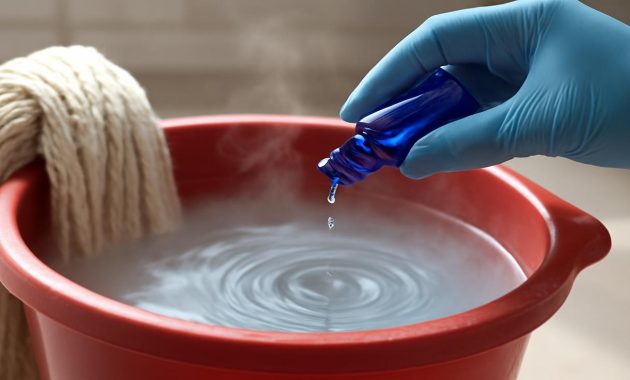
The mop bucket sat in the middle of the kitchen like a small, gray raincloud. The water inside was perfectly ordinary—lukewarm, faintly soapy, with that flat, anonymous smell of “clean” that never quite feels like anything. Outside, the afternoon sun pressed against the windows, a shaft of light catching tiny dust motes in the air. It was the kind of day that made you want to throw open every door, drag out the rugs, and let the house breathe. Instead, you stand there staring at the bucket, wondering how on earth people get their homes to smell like those quiet, perfect spaces you see in magazines—fresh, warm, inviting—without dousing everything in chemicals or turning the place into a lemon grove.
You’ve probably tried it all. Vinegar and water, leaving the house smelling faintly like a salad. Lemons, sliced and boiled, that look charming for about ten minutes and then just slump in a pot of cloudy water. Store-bought cleaners that leave a biting, artificial fragrance that doesn’t smell like “clean” so much as “hospital waiting room.” Somewhere between all of that, there’s something your nose is still searching for: a scent that feels like home, but better. Which is where those two tiny drops come in.
The Secret in the Bottle
Here’s the simple, almost suspiciously simple truth: you can transform that bland bucket of mop water into something that will make your floors, your hallway, and even the soft air in your living room smell incredible—for days—with just two drops of the right essential oil blend. No vinegar, no lemon slices, no complicated recipes or DIY chemistry sets.
Not twenty drops. Not a capful. Two. And if that sounds like an outrageous exaggeration, it’s only because we’re used to thinking that more is better—more detergent, more fragrance, more product. But essential oils are concentrated plant essences, and in the small, humid world of a mop bucket, they bloom into something much larger than they look.
Imagine this: you twist off the cap of a small amber bottle and a delicate, warm scent unfurls itself immediately, even before you pour. There’s something green in it—herbal and fresh, like crushed leaves between your fingers—and something soft and grounding underneath, a little woody, a little floral. Not sharp. Not sugary. Just balanced. You let a single drop slide into the water, then another. For a moment, nothing seems to happen. Then the steam rising from the bucket changes. The air right above it smells like you’ve thrown open a window onto a garden just after rain.
That’s the kind of transformation two drops can bring—if you choose the right oil and use it the right way.
Why Two Drops Work Better Than a Perfumed Storm
The first impulse is always to overdo it. If two drops are good, why not ten? But with essential oils, less is more than enough. Their molecules are highly volatile—that’s what makes them aromatic. When added to warm mop water, they don’t just sit there; they rise, drift, and cling, traveling along the damp path your mop leaves behind, settling quietly into tiny, invisible corners of the room.
Think about how perfume works. A single spray on your wrist follows you all day; it doesn’t need to flood the room to make an impression. The same is true here. Too much essential oil can actually turn harsh or overwhelming, leaving you with a cloying or even irritating scent. Two drops, though, are like a whisper your house leans in to hear.
There’s another secret at play, too: when you mop, you’re not just cleaning the floor—you’re stirring the air. Every swipe of the mop sends up a small, invisible breeze. The scented water evaporates slowly, carrying those oils into the corners of rooms, under furniture, along baseboards, and even up into soft fabrics like curtains and rugs nearby. Hours later, when the floors are dry, the fragrance remains like a faint memory you keep catching out of the corner of your nose.
The Perfect Two-Drop Blends
There isn’t just one magical oil that suits every home. Instead, there are a handful of beautiful, simple blends you can experiment with—each needing only two drops in a standard mop bucket (about 4–5 liters of warm water). What they share in common: no vinegar, no lemon, and no overpowering synthetic perfume.
| Mood You Want | Two-Drop Combo | Scent Description |
|---|---|---|
| Calm & Spa-Like | 1 drop lavender + 1 drop cedarwood | Soft, floral, and gently woody, like a quiet retreat. |
| Fresh & Airy | 2 drops eucalyptus | Clean, crisp, and slightly minty; opens up a stuffy room. |
| Warm & Cozy | 1 drop sweet orange + 1 drop clove | Subtle, comforting, like a sunlit kitchen on a cool morning. |
| Green & Earthy | 1 drop rosemary + 1 drop pine | Smells like fresh branches and crushed herbs underfoot. |
| Soft & Gentle | 2 drops chamomile (Roman or German) | Delicately sweet, soothing, almost like a warm cup of tea. |
A note here: not all essential oils are created equal. Some cheap versions are cut with synthetic fragrance or carrier oils that can leave a residue or a flat, plasticky smell. A pure, high-quality oil has depth—you’ll notice that you can’t quite pin down every note at once, the same way you can’t describe the exact smell of a forest in just one word.
The Little Ritual in the Cleaning Routine
There is something quietly satisfying about turning cleaning into a ritual instead of just a chore. The moment before you add those two drops to the bucket is small, but it matters. Your hand pauses, the house a little cluttered, a little noisy, perhaps. The dog has trailed in half the garden on his paws. Someone left a faint constellation of crumbs under the table. Life is happening, and everything in you just wants the room to feel lighter.
First, you fill the bucket with warm water. Never boiling—just comfortably warm, the kind your hand can linger in without flinching. Maybe you add a mild floor cleaner, something unscented or barely scented, just enough to help lift the dirt. Then comes the pause. You pick up the small essential oil bottle, give it the barest tilt. One drop. Then another. They land and instantly bloom into faint, moving shapes on the surface of the water before dissolving completely.
It smells different already. Close your eyes and breathe near the bucket—not directly over it, just enough to catch the first wave. There it is: the freshness, the calm, the subtle promise that the room you’re about to mop will not just look cleaner; it will feel different to exist in.
As you move the mop across the floor, you can almost track the fragrance by the sound of the fibers sliding and the light squeak of wood or tile beneath. The path behind you is a little brighter, a little lighter. You finish the kitchen, then drift down the hallway, the scent following in a soft, invisible wake. When you step into another room and then back again, you notice the shift: this space now has a character, a mood, a temperature in the air that wasn’t there half an hour ago.
After the Mop: How the Scent Stays
The magic is that the fragrance doesn’t just vanish the moment the floor dries. As the water evaporates, the essential oils linger in microscopic traces on surfaces and in the air. Not sticky. Not oily. Just a whisper that clings to the edges of baseboards, to the tiny gaps in tile grout, to the under-sides of chair legs where the mop brushed by.
Later that night, maybe when you come back from a quick walk or step out of the shower, you’ll notice it again. That soft, background scent that is no longer a strong top note, but a gentle presence. It feels like walking into a story that has already started—familiar, but a touch more beautiful than you left it.
The next morning, when sunlight glides across your floors in long golden stripes, the scent is still there, quieter but not gone. Open a window and you’ll feel the breeze tug it through the room, spreading it around in a way no spray bottle ever could. Two days later, you catch a faint trace of eucalyptus when you drop your bag by the door or bend down to pick up a toy. It’s like the house is quietly reminding you: remember when you made time to care for this space?
Choosing Your Home’s Signature Scent
One of the most surprising things about this two-drop trick is how personal it becomes. Over time, you might find yourself returning again and again to one blend. Maybe your kitchen loves lavender and cedarwood because it softens the edges of the day. Maybe your hallway wants rosemary and pine, so it feels like walking through a strip of woodland every time you pass through. Eventually, that scent becomes part of your home’s identity—its own invisible handwriting.
There’s a quiet power in that. We often remember places by how they smell. A childhood home with sun-warmed curtains and soap. A lakeside cabin with damp wood and smoke. A friend’s apartment that always seemed to hold onto some intangible mix of books, coffee, and fresh laundry. By adding those two drops to your mop bucket each time you clean, you’re slowly writing your own story into the air of your home.
Homes with kids or pets often carry a rotating gallery of smells: crayons, damp sneakers, wet fur, cereal milk, grass. The goal isn’t to erase them completely—that’s the scent of life, after all—but to create a kind of gentle hum beneath them, a base note that keeps things feeling cared for rather than chaotic. The right essential oil blend doesn’t shout over all of that. It simply steps in like a soft background instrument holding everything together.
Gentle Guidance for Safe Use
Even though the ritual is simple, it’s worth treating these tiny bottles with a bit of respect. Essential oils are powerful, concentrated plant extracts, and they behave differently than regular cleaners.
- Always dilute: those two drops go into a full bucket of water, never directly on floors or surfaces.
- Test in a small spot first if you have delicate flooring like unfinished wood or specialty stone.
- Keep oils out of reach of children and pets; they’re for the bucket, not for little hands or paws.
- If anyone in your home has allergies, asthma, or scent sensitivities, start with just one drop and see how everyone feels.
- Choose pure, high-quality oils to avoid strange residues or synthetic-smelling results.
Used thoughtfully, those two drops become something more than fragrance. They become a small, consistent act of care—a way of saying, “This place matters. The people in it matter.”
When Cleaning Becomes a Kind of Quiet Self-Care
There’s a moment at the end of a good cleaning day that’s almost impossible to describe properly. The floors are dry, the light is slanting low through the windows, and the house feels newly defined, as if its edges have been sharpened. You stand in the doorway and take in the stillness. The objects in each room seem to belong exactly where they are. The air feels clearer, lighter, easier to breathe.
In that moment, the scent in the air does something gentle but important: it tells your nervous system that this is a safe, cared-for place. You’re not just checking a chore off a list. You’re creating an environment that gives something back to you, quietly, every time you step inside.
Adding two drops of essential oil to a mop bucket is not a grand gesture. It doesn’t require a big budget, an entire afternoon, or a full reset of your life. But it does something that most quick fixes and clever hacks can’t: it asks you to slow down, to be present for a handful of seconds as the drops fall, as the scent rises, as the room shifts around you.
Maybe the most magical part is what happens afterward, in the ordinary days that follow. A friend drops by unexpectedly, and as they step inside they pause, just for a heartbeat, before saying, “Wow… your place smells amazing.” They can’t quite put their finger on why. It’s not lemony, not perfumey, not like a plug-in or a spray. It just smells like your home—only softer, fresher, warmly alive.
And you know, quietly, that it came from two modest drops swirling into a bucket of water, on a regular afternoon, when you decided that your space—and your senses—deserved just a little bit more care.
Frequently Asked Questions
How many drops of essential oil should I use in a mop bucket?
Two drops are usually enough for a standard 4–5 liter bucket of warm water. Essential oils are very concentrated, so more is not always better. Start with two, and if you truly feel it’s too faint next time, increase to three—but do so gradually.
Can I mix different essential oils in the same bucket?
Yes, as long as the total amount stays around two drops. For example, one drop lavender and one drop cedarwood is a beautiful blend. Avoid combining too many oils at once; two complementary scents are usually plenty.
Will this work on all types of floors?
It works well on most sealed floors like tile, laminate, and sealed hardwood when used in a well-diluted bucket. If you have delicate or specialty flooring, test in a small, inconspicuous area first to ensure there’s no reaction and that your regular floor cleaner is compatible.
Is it safe for pets and children?
When used correctly—highly diluted in mop water and allowed to fully dry—most gentle essential oils are generally well tolerated. However, some oils can be irritating to pets, especially cats, if used heavily. Keep the amount low, ventilate the space, and avoid strong or harsh oils. If you’re unsure, choose mild options like chamomile or lavender and consult a veterinarian for specific concerns.
Do I still need regular floor cleaner, or can I use just water and essential oils?
Essential oils add scent and a bit of atmosphere; they are not a replacement for proper cleaning agents. For everyday dirt and grime, pair your two drops with a mild, suitable floor cleaner (preferably unscented or lightly scented) so your floors are both truly clean and beautifully fragrant.
How long will the scent last after mopping?
You’ll notice the fragrance most strongly while you’re mopping and for several hours afterward. A gentle, background scent often lingers for a day or two, sometimes longer in closed or less-used rooms. The exact duration depends on your home’s ventilation, humidity, and the type of oil you use.
Can I use this method if someone in my home is sensitive to smells?
Yes, but proceed carefully. Start with just one drop of a very gentle oil like chamomile or lavender, keep windows slightly open, and see how everyone responds. The goal is a soft, subtle hint of scent, not a strong perfume. If anyone feels discomfort, skip the oils and rely on fragrance-free cleaners instead.