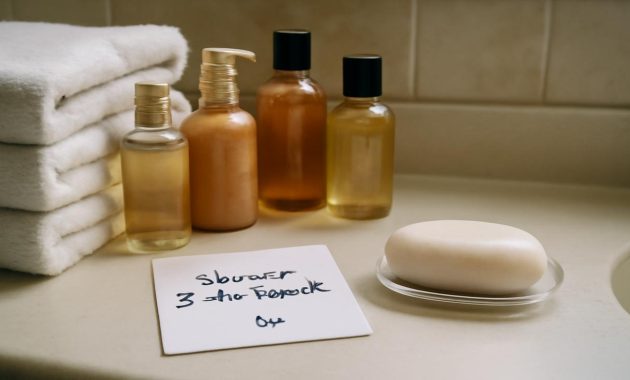
The water was always a comfort. Warm, steamy, familiar. For seventy-two-year-old Maria, her morning shower was a kind of quiet ritual, a place where the world narrowed down to the hiss of the tap and the peppermint scent of her soap. It felt like health itself: clean skin, fresh hair, the sense of “I’m doing what I’m supposed to do.” So when her new geriatrician gently suggested that she might be showering too often, Maria laughed. Too much hygiene? At her age? It sounded like a punchline, not a prescription.
But the doctor didn’t smile. Instead, she handed Maria a small mirror and asked her to look closely at the backs of her hands, the shins that always itched at night, the reddish patches around her ankles. “This isn’t just dry skin,” she explained. “This is your barrier, your protection, wearing thin. And your daily hot showers are one of the reasons why.”
If you grew up in a world where “good hygiene” meant showering once a day—maybe even twice—this can sound almost offensive. Cleanliness has been sold as a kind of moral virtue, a sign that you’re responsible, disciplined, and, in a quiet way, respectable. But for people over sixty-five, doctors are increasingly sounding a new and uncomfortable warning: over-showering may be quietly undermining senior health, one scrubbed-away skin cell at a time.
This isn’t about letting go or giving up. It’s about learning that, after a certain age, your body plays by different rules than it did when you were thirty-five. And sometimes, the gentlest care looks more like doing less.
When “Squeaky Clean” Stops Being Safe
Run your fingers along the inside of your forearm. If you’re over sixty-five, you might notice that your skin feels thinner than you remember, almost like fine paper that could crease if you moved it the wrong way. That shift isn’t in your imagination. With age, the outer layer of our skin—the stratum corneum—actually grows more fragile. Collagen declines, oil production slows, and the delicate blend of bacteria and lipids that once formed a resilient barrier starts to crumble at the edges.
Now imagine that aging skin, already a little parched and vulnerable, being hit every morning with hot water, foaming soaps, and rough towels. That “ahhh” feeling in the shower can hide a quieter story: every wash strips away a thin veil of natural oils and disrupts the skin’s microbiome, the invisible community of bacteria and fungi that protect you from the outside world.
In younger years, the skin can usually bounce back. After sixty-five, that recovery slows. The barrier doesn’t fully heal before it’s attacked again the next day. Over weeks and months, microscopic cracks deepen. Moisture escapes. Irritants sneak in. Itchiness, redness, flaking, and chronic dryness become a constant hum in the background of daily life—annoying at best, and at worst, dangerous.
For seniors, tiny breaks in the skin can be more than a nuisance. They’re openings. Bacteria can slip past weakened defenses, leading to infections like cellulitis. In someone already managing diabetes, poor circulation, or a weakened immune system, such infections can spiral quickly into hospital stays or worse. That’s the part most people never see: the way something as simple and innocent as a daily shower can lay the groundwork for an infection months down the line.
The Invisible Armor We Wash Away
We’re used to thinking of skin as something we must constantly clean, scrub, and deodorize. But biologically, skin is more like a living garden than a dirty countertop. It’s meant to carry a fine, slightly acidic layer called the “acid mantle,” made up of sweat, oils, and the byproducts of countless microscopic organisms that call us home.
That acid mantle does a quiet, tireless job. It keeps moisture locked in. It discourages harmful bacteria from taking hold. It helps wounds seal and heal. On younger, oilier skin, we often treat it like the enemy—something to degrease, exfoliate, conquer. On older skin, though, this mantle is a fading shield. Every lather with strong soap and hot water erases it, and with age, it doesn’t return quite as easily.
When doctors speak cautiously about over-showering in seniors, they’re really talking about protecting this invisible armor. They see patterns play out again and again: the eighty-year-old man who loves his scorching, twice-daily showers and ends up with legs so dry they crack and bleed; the seventy-eight-year-old woman who can’t stop scratching at nighttime itching until she creates raw patches that become infected. These aren’t just random misfortunes; they’re downstream effects of an over-sanitized routine on aging tissue.
You don’t have to see the microbiome to feel its absence. That persistent tightness after bathing, the way your skin looks slightly ashy no matter how much lotion you use, the sense that soap stings more than it used to—all are gentle warnings that you may be stripping away more than dirt. Cleanliness should feel like comfort, not damage.
The Culture of “More” Meets the Biology of “Less”
Part of the challenge is cultural. Many of today’s seniors came of age in the postwar decades, when advertising cheerfully linked modernity to pristine bathrooms, sparkling tile, and a family that smelled like fresh laundry and bar soap. Being “well-groomed” became less about practical hygiene and more about identity, dignity, and pride.
So when a doctor or nurse suggest bathing less often, it can feel like a critique of character rather than a medical recommendation. “Are you telling me to let myself go?” people ask, half-joking, half-defensive. But the suggestion isn’t to surrender hygiene; it’s to right-size it for a body that has changed, even if the mind doesn’t feel any older.
For most healthy adults over sixty-five, the emerging medical consensus is surprisingly modest: a full-body shower or bath only a few times a week—sometimes as little as twice—may be both sufficient and safer, especially when combined with targeted daily washing of the parts of the body that truly need frequent attention.
What Really Needs Daily Washing (and What Doesn’t)
You don’t need to choose between feeling clean and protecting your skin. Instead, the goal after sixty-five is to be strategic—to distinguish “must-clean” zones from areas that can be left mostly alone or gently refreshed without full immersion and lather.
Here’s a simple way to think about it. Let’s call it the “focus, don’t flood” approach:
| Area | Recommended Frequency After 65 | Suggested Approach |
|---|---|---|
| Face | 1–2 times daily | Use lukewarm water, very gentle cleanser or just water in the morning; moisturize afterward. |
| Armpits, Groin, Private Areas | Daily | Wash with mild, fragrance-free soap; consider a quick washcloth “mini wash” on non-shower days. |
| Hands & Feet | Hands: multiple times daily; Feet: daily | Gentle soap for hands; wash and dry between toes carefully once daily, especially for diabetics. |
| Scalp & Hair | 1–3 times per week | Use mild shampoo; avoid very hot water and vigorous scrubbing. |
| Arms, Legs, Torso | 2–3 times per week | Short showers or baths in lukewarm water; limit soap use on very dry areas; moisturize immediately after. |
This pattern respects both comfort and biology. The places where sweat, bacteria, and odor concentrate—the underarms, groin, and skin folds—still get daily care. Hands, our main contact with the world, stay clean. The rest of the body gets enough attention to feel fresh, but not so much that its defenses are striped away.
On non-shower days, a basin of warm water, a soft washcloth, and a gentle cleanser can go a long way. Many seniors quietly adopt this routine once they learn that a full shower isn’t necessary every morning. They discover that a ten-minute “top and tail” wash leaves them feeling surprisingly refreshed—without the fatigue, chill, or post-shower itch that used to follow their daily scrubbing.
Hidden Risks: Falls, Fatigue, and the Bathroom Itself
Beyond the skin itself, there’s another reason doctors worry about over-showering in older adults: the bathroom is one of the most dangerous rooms in the house. Slick floors, steam-blurred vision, and the simple act of stepping in and out of a tub are all hazards that grow more serious with age.
Each extra shower is another chance to slip, another opportunity to feel lightheaded under hot water, another episode of exertion that can quietly drain energy from an already tired body. For someone managing arthritis, heart disease, neuropathy, or balance problems, the price of a daily shower can be higher than anyone likes to admit.
There’s also the issue of body temperature. Older adults regulate heat less efficiently, and long, hot showers can cause blood vessels to dilate, blood pressure to drop, and suddenly the room tilts just a little. Even if no fall happens, many seniors describe stepping out of the shower feeling oddly exhausted or chilled to the bone, as though the warmth seeped away as soon as the water turned off. Less frequent, shorter, and slightly cooler bathing can reduce that invisible strain.
Paradoxically, some seniors cling most fiercely to daily showers precisely when they’re becoming harder and more dangerous to manage. The shower becomes proof: “I can still do this; I’m still myself.” That’s where families and caregivers can step in, not by taking the ritual away, but by gently reshaping it. Maybe the shower shifts to every second or third day, with in-between washcloth cleanups. Maybe grab bars, non-slip mats, and a shower chair turn the experience from a test into a comfort.
Relearning the Feel of “Healthy Clean”
There’s a subtle emotional adjustment here too. If “clean” has always meant a long, hot soak and an all-over scrub with lather that smells like flowers or ocean breeze, then a quicker, milder routine can feel… insufficient, at first. The sensory cues change: less foam, less fragrance, fewer clouds of steam condensing on the mirror.
Over time, though, many older adults notice a different kind of comfort emerging. The skin stops screaming so loudly. It doesn’t itch as much after dinner. Those fine white flakes on dark pants appear less often. The redness around the shins calms, and the number of little scabs from scratching in sleep slowly shrinks.
“I thought I’d feel less clean,” one seventy-year-old man admitted after cutting his showers down to three per week. “But what I really feel is less attacked.” His doctor nodded—and pointed out that he hadn’t needed a prescription steroid cream in months.
Building a Senior-Friendly Bathing Ritual
If you or someone you love is over sixty-five, easing away from over-showering doesn’t have to mean giving up the sensory pleasures of water. It simply means reshaping those pleasures with more awareness and gentleness.
Here are practical shifts that can make a daily routine more skin- and age-friendly:
- Shorten the shower. Aim for 5–10 minutes. Enough to cleanse, not enough to soak the skin into a wrinkled prune.
- Turn down the heat. Lukewarm water—comfortably warm, not steaming—is far less stripping on fragile skin and kinder to blood pressure.
- Switch to mild, fragrance-free products. Harsh soaps and heavy scents look appealing on the shelf but can sting aging skin and disrupt its microbiome.
- Use soap selectively. Focus on underarms, groin, feet, and any visibly soiled areas. Let water alone rinse arms, legs, and back on many days.
- Pat, don’t rub, to dry. A soft towel and gentle pressing motions help preserve the remaining oil barrier and reduce microtears.
- Moisturize immediately. Within three minutes of stepping out, apply a simple, rich, fragrance-free moisturizer to trap water in the skin.
- Schedule showers for when energy is highest. Late morning or early afternoon may be safer than first thing on waking or late at night.
For those who genuinely miss the feeling of daily water on skin, consider a compromise: a short, no-soap rinse on some days, with full soap use limited to twice or three times a week. Or a warm, damp washcloth ritual at the sink, with a favorite gentle lotion afterward, can stand in for the full shower but still feel like a ritual of care.
Caregivers can help by reframing the message. It’s not “You don’t need to shower so much anymore,” which can sting pride, but “Your skin has worked hard all these years; let’s protect it now.” When framed as an upgrade in wisdom rather than a downgrade in independence, the change often meets less resistance.
Listening to Your Skin’s Story
The body speaks, if we let it. That tight feeling after bathing, the little explosions of itch at night, the way your legs feel rougher than they used to under the bedsheets—they’re all parts of a quiet language. For seniors, paying attention to that language can close the gap between habit and health.
If you’re over sixty-five, or caring for someone who is, try a simple experiment: for four weeks, gently reduce full-body showers, follow each one with moisturizer, and opt for targeted daily washing instead of all-over scrubbing. Then, pay close attention. Does the skin feel less desperate for lotion? Do fingernails leave fewer white scratch lines on the arms? Do pajamas glide more easily over legs at bedtime?
Doctors aren’t asking seniors to become less clean. They’re asking them to become more attuned—to recognize that the same routines that once served them well may no longer fit the body they live in now. Aging is, at its heart, a long conversation between what we’ve always done and what our changing cells quietly request.
For Maria, that conversation shifted the day she traded her daily shower for three a week and a simple, nightly washcloth ritual. At first, she missed the steam and the long, meditative minutes under running water. But she didn’t miss the scratching. She didn’t miss waking with angry red streaks on her shins or the way her skin felt like it was stretched one size too small. Her doctor noticed the difference, too—or rather, she noticed what was no longer there: fewer cracks, less redness, and an older woman moving just a little more easily in her own skin.
Hygiene after sixty-five isn’t about letting go of standards. It’s about rewriting them: from “as often as possible” to “as often as needed, as gently as possible.” In that shift lies not only healthier skin, but a quieter, deeper kind of dignity—one that trusts experience, listens to the body, and understands that sometimes, the kindest care is the softest touch.
Frequently Asked Questions
How often should a healthy person over 65 shower?
Most healthy seniors do well with a full-body shower or bath 2–3 times per week, combined with daily washing of the face, underarms, groin, and hands. Individual needs vary, so adjust based on activity level, climate, and medical advice.
Is it unhygienic for seniors to shower less than once a day?
No. With targeted daily washing of key areas (armpits, groin, hands, feet, face), reduced full-body showers are usually very hygienic and often better for aging skin than daily all-over scrubbing.
What kind of soap is best for older skin?
Mild, fragrance-free, dye-free cleansers labeled for sensitive or dry skin are best. Bar or liquid doesn’t matter as much as avoiding harsh detergents and heavy perfumes that can irritate or dry the skin.
Should seniors moisturize every day, even on non-shower days?
Yes. Daily moisturizing—especially after any water contact—helps repair the skin barrier, reduce dryness and itching, and lower the risk of cracks and infections. Focus on the legs, arms, back, and any consistently dry areas.
What if a senior strongly insists on daily showers?
If daily showers are non-negotiable, aim to make them as skin-friendly and safe as possible: keep them short, use lukewarm water, apply soap only where necessary, moisturize immediately afterward, and install safety measures like grab bars and non-slip mats.
Can reducing showers help with nighttime itching?
Often, yes. Over-washing is a major cause of dry, itchy skin in older adults. Fewer full-body showers, gentler soap, and consistent moisturizing can significantly reduce nighttime itching in many people.
When should a doctor be consulted about skin or bathing issues?
See a doctor if there are open sores, spreading redness, severe dryness that cracks and bleeds, sudden rashes, new or worsening itching, frequent skin infections, or if bathing becomes painful, dizzying, or too exhausting to manage safely.