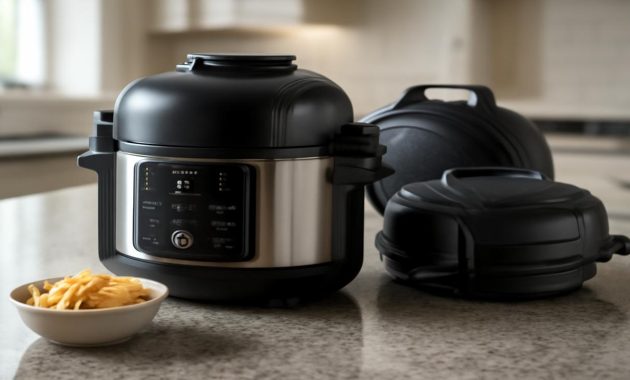
The first time I heard it, the sound was oddly comforting—a low, gentle hum, somewhere between a whispering breeze and distant ocean surf. It came from the corner of my tiny kitchen, where a new, squat stainless-steel appliance sat glowing softly, a single round dial winking like an invitation. I leaned in closer as the aroma rising from it turned the air rich and warm: toasted garlic, lemon, herbs, and the faint sweetness of caramelizing vegetables. For someone who had spent the last three years worshipping at the altar of the air fryer, this felt suspiciously like betrayal. And yet, it also felt like the start of something better.
Beyond the Basket: Why the Air Fryer Started to Feel Small
The air fryer arrived in our lives like a meteor. Suddenly everybody had one. Countertops were rearranged, ovens sat neglected, and frozen fries found their destiny. We reveled in the crispy edges, the speed, the illusion of “healthy” indulgence. But somewhere along the way, the romance dulled.
You might know the feeling. The bulky basket that never quite fit enough food for more than two people. The way everything started to taste vaguely the same—like “air fryer flavor” more than anything else. The endless batches when friends came over. The nagging thought: Is this it? Just… crisping forever?
That’s where this new gadget—the one humming in my kitchen—steps into the story. It doesn’t just promise crispy fries or fast wings. It quietly says: What if I could roast your Sunday chicken, slow-cook your winter stew, steam your vegetables, bake your bread, grill your halloumi, dehydrate your apple chips, reheat your leftovers without drying them, and yes—air fry your potatoes—all without needing five different appliances?
Nine different cooking methods. One machine. A little bit like having a tiny, efficient, always-patient sous-chef that doesn’t complain about counter space.
The 9-in-1 Revolution: One Box, Many Ways to Cook
The magic of this new generation of multi-cookers isn’t just in what they can do; it’s in how they change the way your kitchen feels. Instead of a chaotic chorus of gadgets—air fryer, toaster oven, slow cooker, dehydrator, steamer—this one device folds all those roles into a single, compact presence.
On a typical Tuesday night, it’s easy to see the difference. Where old you might have stood in front of the oven, checking a tray of vegetables, flipping them for even browning, then wandering over to the stove to stir a bubbling pot, new you loads everything into a single unit, selects a setting, and walks away. The house grows quiet again. You have time to do something wild—like sit down.
Here’s a clear look at the nine cooking methods this type of gadget usually offers, and how they might fit into your everyday cooking. (Names vary by brand, but the functions feel remarkably similar.)
| Cooking Method | What It’s Great For |
|---|---|
| Air Fry | Crispy fries, wings, cauliflower bites, breaded tofu, anything you used your old air fryer for—just smarter. |
| Roast | Whole chicken, root vegetables, sheet-pan dinners with caramelized edges and tender centers. |
| Bake | Small cakes, muffins, quick breads, cookies—perfect when you don’t want to heat the whole kitchen. |
| Grill/Broil | Charred veggies, melty-cheese-topped dishes, grilled fish, seared halloumi with smoky edges. |
| Steam | Tender broccoli, dumplings, fish parcels, jasmine rice—moist, bright, and gentle on nutrients. |
| Slow Cook | Soups, stews, pulled meats, beans that melt instead of crumble, comforting one-pot meals. |
| Sauté/Sear | Browning onions, searing meat before slow cooking, quick stir-fries without a separate pan. |
| Dehydrate | Apple chips, jerky, dried herbs, citrus slices—slow, gentle drying for snacks and garnishes. |
| Reheat/Keep Warm | Leftovers revived without rubbery textures; keep meals warm without overcooking. |
You can almost feel your cupboard releasing a long, relieved exhale.
The First Meal: A Whole Dinner in a Single Hum
The real test came on a rainy evening when the sky turned the color of dishwater and the world felt a bit thin around the edges. It was the sort of night that begs for roasted chicken and vegetables, something simple but generous, the kind of meal that fills the house with slow-building comfort.
I started by tossing halved baby potatoes with olive oil, salt, and a scatter of rosemary, the needles sharp and piney under my fingers. Sliced carrots followed, staining my cutting board with a faint orange halo. Into the bottom of the gadget’s cooking pan they went, forming a bright, chaotic bed of color. Above them, on a small rack, I settled a whole chicken: lemon tucked into its cavity, a blanket of garlic, paprika, and thyme rubbed over its skin.
With an air fryer, this would have been impossible—too small, too cramped, too focused on blasts of hot air for anything but fragments of a meal. But with the multi-function machine set to roast, the experience shifted. Heat built slowly and evenly; the hum stayed low and steady. Around the halfway mark, the kitchen filled with the scent of crisping skin and rosemary oil. Fat rendered and dripped down from the chicken, glazing the vegetables below into something golden and glistening.
When I opened the door, a cloud of steam and aroma rolled out. The chicken’s skin crackled as the knife slid through it; the meat beneath was tender, with the faint perfume of lemon. The potatoes collapsed at the gentle pressure of a fork. One pan, one machine, one hum. And a full dinner that would have demanded an oven, a separate roasting tray, and a good deal more watching.
The Quiet Luxury of Less Fuss
There’s a small pleasure in standing back and letting one thoughtful machine do more of the work. It doesn’t replace the feel of a good knife in your hand or the meditative act of stirring a simmering sauce, but it does replace the stress of juggling multiple heat sources.
This isn’t just convenience; it’s a subtle gift of attention. You get to give more of yours to the people in the next room, or the book you mean to finish, or the quiet window where the rain beads and slides down in fat, uneven trails. The machine hums. Dinner happens. You breathe.
From Morning Toast to Midnight Snacks: A Day in the Life of a 9-in-1
To really understand how different this tool feels compared to a basic air fryer, imagine a whole day with it.
Morning begins with steam. You place a handful of chopped vegetables and an egg-and-herb mixture into a small dish, slide it into the steamer setting, and let gentle heat work its way through. The result is a tender, custardy baked egg without a scorched edge in sight. While that cooks, you toss in a few slices of bread on a higher rack to toast under the grilling element, their edges crisping just as the egg sets. The kitchen smells of warm bread and chives instead of burnt crumbs and rushed decisions.
By lunchtime, you’re roasting. A tray of chickpeas, dusted in cumin and smoked paprika, goes in on a high-heat roast setting. They emerge crunchy and deep-flavored, ready to tumble over a bed of greens alongside roasted zucchini and sweet peppers. No oil-slicked pan to scrub, no wrestling a giant baking sheet into an already-packed oven.
Afternoon passes in a slow, fragrant haze. On the counter, under the dehydrate setting, thin slices of apple slowly surrender their moisture, perfuming the air with a scent so subtle you smell it more in your memory than your nose—childhood lunchboxes, autumn markets, cinnamon-dusted stalls at harvest fairs. By evening, you’re slipping a handful of crisp, tart slices into your mouth as you cook.
Dinner might be a one-pot slow cook, started hours before. A tangle of onions, browned first on the sauté setting until they slump and sweeten. Cubes of beef or lentils, spices blooming in warm oil, a splash of broth. Then the lid closes, and the slow cooker function takes over, softening everything into a meal that tastes like it took an entire day of attention, even though you walked away to do other things.
And when, late at night, you crave something crisp and salty, a handful of leftover roasted potatoes or vegetable strips go into the air fry function, reviving into something that crackles between your teeth, tasting improbably fresh. The old air fryer might have done that one job. This new gadget did the entire day.
The Texture of Time Saved
We rarely think about time in terms of texture, but in the kitchen it becomes obvious. There’s the jagged, frantic time of rushing between stovetop and oven; the gummy, anxious time of watching the clock and worrying about burning; the thin, stretched time of waiting for water to boil. Then there’s this: the soft, rounded time of trusting a machine to hold the heat, to hold your meal, to hold your plans together while you step away.
When one device can switch from steaming your breakfast to slow cooking your dinner to crisping your dessert, your day’s edges soften. The boundaries between “I’m cooking” and “I’m living” blur in a gentler way. Cooking becomes less of an ordeal and more of a quiet rhythm humming in the background of your life.
Flavor, Space, and the Art of Saying Goodbye
Letting go of an old gadget can feel strangely personal. The air fryer had its era, and for many, it opened the door to home cooking in a way that felt accessible. But kitchens, like the people who stand inside them, evolve.
There’s a small moment of honesty required when you clear the space on your counter. You lift the old machine, feel its lightness, its hollow shell, and you remember the frozen nuggets and quick snacks that got you through tired nights. You also remember the half-done meals, the cramped baskets, the way you never quite managed to cook a full dinner in one go. You nod a silent thank you. Then you let it go.
In its place stands something more capable, more grounded. The difference isn’t just technological; it’s emotional. This isn’t a gadget that screams “hack” or “shortcut.” It’s a tool that quietly suggests: What if home cooking could be both easier and better? What if we didn’t have to trade depth of flavor for speed?
Consider roasted tomatoes as an example. In a basic air fryer, they’re blasted, often collapsing too quickly, scorched in patches, watery in others. In a multi-function cooker, you can roast them low and slow, then finish with a higher heat grill. Their skins blister, their interiors concentrate into jammy sweetness, the air fills with the scent of sun-warmed vines and acidity turned mellow. Time bends differently inside a machine that understands more than one way to apply heat.
Design That Fits Real Life
Another surprise comes in the way this gadget occupies space. Where an air fryer is a single-purpose monolith, often oddly tall and awkward, the new multi-cooker tends to be wider, lower, more approachable. Its interior is designed to host racks, pans, and trays—a small ecosystem instead of a single basket.
Cleaning shifts, too. Instead of scrubbing wire mesh baskets and greasy corners, you’re often washing smooth trays and a main pan, more like cleaning two baking sheets than chasing crumbs through a maze. It’s not glamorous, but it matters. The easier an appliance is to clean, the more often you’ll actually use it for real cooking, not just for emergencies.
Cooking with Curiosity: How a 9-in-1 Changes Your Relationship with Food
The most beautiful thing about powerful, flexible tools is the way they invite curiosity. With an air fryer, the question is usually: “Will this get crispy?” With a 9-in-1, the question shifts to: “What else could I try?”
You might start with simple experiments. Steamed fish, wrapped in parchment with dill and lemon, the flesh just barely flaking under your fork. Roasted cauliflower, scorched at the edges, then finished under the grill setting with a blanket of tahini and pomegranate seeds. A tiny loaf of banana bread, baked without preheating a massive oven, the scent filling your home despite its modest size.
Then curiosity grows bolder. You dehydrate lemon slices to float in weekend cocktails. You slow cook beans from dried, discovering that they taste nothing like their canned cousins—creamier, somehow more alive. You sear tofu before braising it, marveling at the crisp edges and deep flavor layered into something that once felt bland.
The machine becomes less of a gadget and more of a companion. It sits quietly, waiting for your next idea, ready to meet you at almost any point on the spectrum of heat and time. The boundary between “I don’t have time to cook” and “I can’t wait to try this” becomes thinner, easier to cross.
Goodbye, Air Fryer. Hello, Kitchen That Breathes.
In the end, saying goodbye to the air fryer isn’t really about abandoning convenience. It’s about expanding it. It’s about choosing a tool that respects both your schedule and your appetite for real food—food with texture, aroma, and patience built in.
The hum in the corner of your kitchen can mean more than one thing now. It can mean fries, sure, crisp and hot and perfect. But it can also mean slowly melting onions, or gently steaming dumplings, or quietly drying herbs overnight. It can mean dinner for two or food for a crowd. It can mean that your small kitchen finally feels big enough for the meals you’ve always wanted to make.
Some gadgets step into our lives with a shout; others arrive with a low, steady hum and earn their place over time. This 9-in-1 wonder belongs firmly in the second camp. It doesn’t demand your loyalty with trendiness. It wins it with possibility.
So yes, the air fryer had a good run. It taught us that hot air could do more than we imagined. But now there’s something wiser on the counter—something that doesn’t just fry with air, but dances with heat in nine different ways. And once you’ve tasted what that feels like, it’s hard to go back.
Frequently Asked Questions
Is a 9-in-1 multi-cooker really better than a regular air fryer?
It depends on how you cook. If you mostly reheat frozen snacks, a basic air fryer might be enough. If you want to roast, bake, steam, slow cook, dehydrate, and still air fry in one machine, a 9-in-1 offers far more flexibility and can replace several separate appliances.
Does food still get as crispy as in a normal air fryer?
Yes, when using the air fry or high-heat roast settings, you can achieve the same level of crispiness. In some cases, you’ll get even better results because the interior space and airflow are designed for more even heat distribution.
Will it take up more counter space?
It may be slightly wider than a typical air fryer, but it often replaces multiple devices—air fryer, toaster oven, slow cooker, dehydrator, and more. Overall, you usually end up saving space and reducing clutter.
Is it complicated to use with so many functions?
Most models are designed around a simple dial or a few buttons. Once you learn the basic modes—air fry, roast, steam, slow cook—the rest feels intuitive. Many people find it easier than juggling an oven and stovetop together.
Can it really replace my oven?
For small to medium households, it can handle a surprising amount of what you’d normally do in an oven: roasting, baking, reheating, and grilling. For very large meals or holiday feasts, you might still want your full-size oven, but for everyday cooking, the multi-cooker often becomes the main workhorse.
Is it energy efficient?
Generally, yes. Because it’s smaller than a full oven and heats up quickly, it often uses less energy for the same tasks, especially for single-tray meals, snacks, or small bakes.
How hard is it to clean?
Most come with non-stick or stainless-steel pans and removable racks that you can wash like regular baking trays. Compared to scrubbing deep air fryer baskets or large oven interiors, cleanup is usually simpler and faster.