The first thing I noticed was the steam—soft, ghostlike curls rising into the dark, cold air. I stood barefoot on the back deck in my robe, clutching a mug of chamomile tea like a lifeline, and thought: What on earth am I doing, getting a hot tub at 60? My neighbor’s kitchen light glowed over the fence. Somewhere down the street a dog barked, long and lazy. The jets hummed, bubbles breaking the mirror-surface with tiny explosions of sound. I could smell cedar from the fence, wet leaves from the yard, and that faint new-plastic scent from the tub shell itself.
Behind all that calm, though, was another smell—one you don’t see in glossy brochures: the faint, metallic tang of stress. Because twenty-four hours earlier, an electrician had stood exactly where I was standing and said words no brand-new hot tub owner wants to hear:
“You don’t have the electrical capacity for this.”
How a Dream Soak Turned into a Numbers Problem
Six months before that steamy December evening, the idea of owning a hot tub hadn’t even existed in my mind. Hot tubs were for mountain cabins and lakeside rentals, places where younger versions of me had soaked sore muscles after ambitious hikes. They were for honeymooners, retired couples in fancy communities, and people who said things like “We just really believe in self-care this year.” Not for me—a 60-year-old who still had the same fuse box the builder had slapped in the house during the late ’80s.
Then, one brutal winter afternoon, I sat in my doctor’s office, rubbing my aching knees. Years of desk work, weekend-warrior gardening, and a lifetime relationship with gravity had left their mark. My doctor suggested a mix of physical therapy, more movement, and “some kind of regular heat therapy if you can manage it.” She mentioned hot tubs almost in passing.
The idea took root that night. I pictured slipping into hot, swirling water, my breath making clouds against the freezing air, the kind of full-body relief that no heating pad or bath could match. At 60, the promise felt less like a luxury and more like a bridge—a way to stay active, keep moving, and maybe make winter a little less grim.
Once the seed was planted, the internet did the rest. You know how it goes: one search for “small hot tub for sore joints” and suddenly my screen was a glossy carousel of jets, cup holders, LED lights, and smiling gray-haired couples basking under star-strewn skies. Reviews told me how much people loved theirs. “Best decision we ever made!” they said. “Use it every night!” they said.
What hardly anyone said loud enough was: “Check your electrical capacity first.”
The Statistic Nobody Mentions in the Brochures
It was only after everything went sideways that I stumbled over the number: about 4 out of 10 hot tub owners wish they’d checked their electrical capacity before buying. Not the water, not the size, not the seat layout—just the invisible, utterly unglamorous question of whether their home’s electrical system could handle the load.
It’s the kind of statistic that lives in contractor forums, not lifestyle articles. People post about tripped breakers, mystery outages, tubs that never quite get warm enough, and unexpected bills from electricians who have to upgrade panels, wiring, breakers—sometimes even the service from the utility itself.
I remember sitting at the kitchen table with my laptop glowing in the dim light, the new tub already craned into place in the yard, reading stories that sounded uncomfortably familiar. Someone described paying almost as much for electrical work as for the tub itself. Another wrote about a backyard that sat tub-less for weeks while they waited for permits and inspections they hadn’t known they needed.
They all had a kind of shared refrain: “If only we’d checked capacity first.” I added one more quiet voice to that invisible choir. Because I, too, had fallen for the dream without asking the grid beneath my house whether it could handle the fantasy.
The Day the Lights Flickered
The delivery crew had been cheerful and efficient. They maneuvered the shell into the corner of my small yard between the maple tree and the fence, like they were docking a spaceship. We admired it together. “You’re gonna love this,” one of them said. “Once the electrician hooks it up, you’ll be in heaven.”
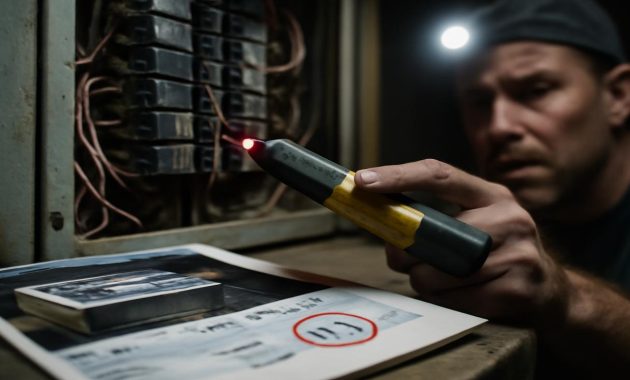
The electrician came the next day, toolbox clinking, tape measure swinging at his hip. He opened my main panel, frowned gently, and started counting breaker spaces with the air of someone tallying up a bill you don’t want to see.
“You got a lot running on this already,” he said. “Furnace, electric oven, dryer, old AC unit. What size service is this?”
I stared at him. “Normal?” I offered, which, as it turns out, is not a unit of electrical measurement.
He pointed. “You’ve got 100-amp service. This tub is 240 volts, 50 amps. The way your house is set up, you’re cutting it close—real close. On a cold night with the furnace running, you could easily trip the main. At best, you’ll be flipping breakers. At worst, we’re looking at a full panel and service upgrade.”
The back of my neck prickled. “How much… ‘at worst’ are we talking?”
He gave me a range that made me want to sink into the ground instead of into warm water. Not impossible, but definitely not in the original budget.
Here’s the part I kept circling back to: no one at the showroom had asked about my panel. Not one sales brochure mentioned electrical capacity in anything more than a single vague line: “Consult a licensed electrician.” It was like a warning label written in disappearing ink.
The Quiet Math Behind the Bubbles
Over the next week, my life turned into a quiet lesson in household electricity, the kind of unexpected adult education class nobody signs up for on purpose. My dining table disappeared under notepads, spec sheets, and a growing sense of humbling awareness: the hot tub wasn’t just another appliance. It was a small, hungry animal that needed to be sure my house could feed it.
Here’s the simplified version of what I learned, the part I wish someone had handed me on a single, dog-eared page before I’d ever stepped into that showroom:
| Check This | Why It Matters | What to Ask |
|---|---|---|
| Main panel size (amps) | Tells you how much total power your house can handle. | “Is my 100A/150A/200A service enough for a 240V hot tub?” |
| Available breaker spaces | Hot tubs usually need a dedicated 240V breaker. | “Do I have room in the panel for a 2-pole breaker?” |
| Existing big appliances | Furnace, oven, dryer, AC all compete for capacity. | “Will typical winter use overload my system?” |
| Wiring route to tub | Distance and obstacles affect cost and feasibility. | “What’s the safest, shortest route for the circuit?” |
| Local codes & permits | Inspections and rules vary by city. | “Do I need a permit and inspection for this install?” |
All of that—the hidden infrastructure world beneath the simple phrase “plug it in”—is where at least 4 out of 10 regrets are born.
The Decision: Upgrade, Downgrade, or Back Out?
For a week, the hot tub sat like a promise I wasn’t sure I could keep. Neighbors peered over the fence. “When’s the first soak?” they asked. I changed the subject. At night I’d step out, look at it, and feel a pang of embarrassment, like I’d ordered a sports car without checking if it fit in the garage.
My electrician laid out three options:
Option 1: Bite the bullet and upgrade the panel and service. More capacity, more breathing room, more money than I’d planned to spend this decade.
Option 2: Return the tub and walk away. Pride bruised, dream postponed, but wallet relatively intact.
Option 3: See if we could make it work by rearranging loads, maybe sacrificing something—like the old electric dryer—for the sake of the tub.
There was an unspoken Option 4 too: keep everything as-is and hope for the best. But the electrician’s face when I hinted at that told me exactly what kind of gamble that would be—one where the house always wins, usually by turning the lights off at the worst possible time.
In the end, I chose something between Option 1 and 3: we upgraded the panel to give the house some much-needed breathing room, but held off on a full service upgrade from the utility. We moved a few circuits, retired an ancient, inefficient appliance, and carved out a safe, dedicated lane of power for the tub.
It took permits, inspections, and days of my kitchen being lit by extension cord. There were extra costs, phone calls, and one long afternoon when I sat on the steps and wondered if I’d lost my mind pursuing hot water with this much determination at my age.
But on the day the inspector signed off, my electrician flipped the new breaker with a small, satisfying click. The control panel on the tub lit up, numbers glowing softly like a digital sunrise. The heater kicked on. I stood there, robe flapping in the cold, feeling the hum of the system under my bare feet through the deck.
We’d asked the house a big question. It had taken some coaxing, some upgrading, and a painful check, but in the end, the answer was yes.
What I Wish I’d Asked Before Buying
When friends hear this story, they always ask the same thing: “What should we do differently if we’re thinking about a hot tub?” And I tell them, before you fall in love with the lights and jets and waterfall features, have one boring, crucial conversation—with your panel, through your electrician.
Here’s what I tell them to do before they sign anything at the showroom:
- Call a licensed electrician and say, “I’m thinking of installing a 240V hot tub. Can you evaluate my panel and capacity?”
- Have them look at your main service size, available breaker spaces, and current load from big appliances.
- Ask for a ballpark range of what electrical work might cost—before you order the tub.
- Take that estimate with you when you shop so the true number in your head is “tub + electrical,” not just “tub.”
- Ask the hot tub dealer for exact electrical specs: voltage, amperage, GFCI requirements, and wiring distance limits.
None of that advice is glamorous. It will not appear in an Instagram reel of “Top 5 Ways to Transform Your Backyard Oasis.” But it might be the thing that keeps you from sitting where I was—on the edge of a cold, empty tub, doing painful math on a notepad while your breath fogs the air.
The First Soak at 60
On the night everything was finally ready, the temperature outside had dropped below freezing. I watched the digital readout climb, degree by degree, until it settled at 102. Steam drifted into the dark. The maple tree stood like a silent witness, bare branches etching shadows against the sky.
I slipped my robe off and stepped in.
The sensation was almost shocking: cold air on my shoulders, heat on my calves, then thighs, then hips. My knees, those stubborn narrators of pain that had accompanied me to every appointment and reminded me of every misstep, suddenly went quiet as the water rose above them. The jets whispered to life, then roared, then smoothed into a deep, steady purr.
They tell you about relaxation in the brochures, but they don’t quite capture how it feels to be 60 years old, held by water that is exactly the temperature your joints have secretly wished for your entire life. I leaned back, stars muddled through faint clouds overhead, the neighbor’s porch light blinking out one by one as the street went to sleep.
In that moment, the weeks of frustration blurred at the edges. My shoulders dropped. My breath deepened. The ache in my lower back, the familiar tug in my calves—all of it receded, as if the hot water had gently turned down the volume on a soundtrack I hadn’t realized was always playing.
It wasn’t just physical, either. There was something profoundly humbling about sitting in this carefully warmed, bubbling pool knowing what it took to get here: the electrician’s calculations, the quiet hum inside the new panel, the miles of wire threaded through walls and under floors. Comfort, I realized, is almost always built on invisible infrastructure.
I thought about that 4-out-of-10 statistic. In another version of this story, maybe I’d have given up, rolled the tub away, chalked it up to a late-life impulse gone sideways. Instead, I sat there, letting the jets knead patterns into my calves, and felt both gratitude and a small, fierce determination to tell the truth about this kind of dream: it’s beautiful, but it runs on amps and codes as much as on bubbles and moonlight.
On Regret, Relief, and Asking Better Questions
Now, months later, I use the tub three or four evenings a week. Some nights it’s just me and the wind and the hush of the neighborhood. Other nights, my sister visits, and we sit there, shoulders gleaming in the moonlight, talking about everything and nothing. The ritual has become part of how I move through pain and into sleep, part of how I remind my body that it’s still capable of pleasure, not just endurance.
Do I regret not checking electrical capacity first? Absolutely. Not because I wouldn’t have bought the tub—honestly, knowing what I know now, I probably still would have. But I would have gone into it with my eyes open, with a realistic budget, with less stress and fewer surprises.
Regret, in this case, isn’t about the decision itself; it’s about the missing questions I didn’t know to ask. At 60, I’ve learned that so many of our stumbles come not from bad choices, but from incomplete information. Nobody hands you a manual for late-life decisions, especially the ones with glossy brochures and soft lighting.
If this whole journey has taught me anything, it’s this: before you say yes to comfort, ask what it runs on. Before you imagine the steam and the stars and the hush of warm water, imagine the panel, the breakers, the wires in the walls. Bring that unglamorous reality into the daylight. Let it sit next to your dreams.
When you finally lower yourself into the water—whether you’re 30 or 60—you’ll feel not just the heat, but the quiet confidence that comes from knowing everything below the surface is solid, safe, and ready for you. And that, more than any LED light strip or waterfall feature, is what turns a hot tub from an impulse purchase into a long-term sanctuary.
Frequently Asked Questions
Do I really need an electrician before I buy a hot tub?
Yes. A licensed electrician can tell you if your current panel and service can safely handle the hot tub’s electrical load. This step can save you from unexpected upgrade costs and potential safety issues.
Is 100-amp service enough for a hot tub?
Sometimes, but not always. It depends on what else is running in your home (furnace, oven, dryer, AC). An electrician needs to calculate your typical load and see if there’s safe capacity left for a 240V hot tub circuit.
Can I plug a hot tub into a regular outlet?
Some smaller “plug-and-play” models run on 110/120V and can use a standard outlet, but most full-featured spas require a dedicated 240V circuit with a GFCI breaker. Always follow the manufacturer’s instructions and local electrical codes.
How much does electrical work for a hot tub usually cost?
It varies widely. Running a short, straightforward 240V circuit from an existing panel might be relatively affordable. Upgrading an old panel or increasing service from the utility can significantly increase the total cost. Getting a quote before you buy the tub is the safest approach.
Can I install the hot tub wiring myself?
In most places, hot tub wiring must meet strict safety codes, often requires permits, and usually needs an inspection. Even where DIY is technically allowed, it is much safer to hire a licensed electrician experienced with spa installations.
What happens if my electrical capacity is too low but I install a hot tub anyway?
You may experience tripped breakers, underperforming equipment, or in worst cases, serious safety hazards such as overheating wires or electrical fires. It’s not worth the risk; capacity issues should be resolved before use.
Is it still worth getting a hot tub later in life, like at 60 or beyond?
For many people, yes. Regular, safe soaks can ease joint pain, support relaxation, and create a daily ritual of care. The key is to approach it with full information—electrical capacity, total costs, and realistic use—so your “first hot tub at 60” becomes a source of comfort, not regret.