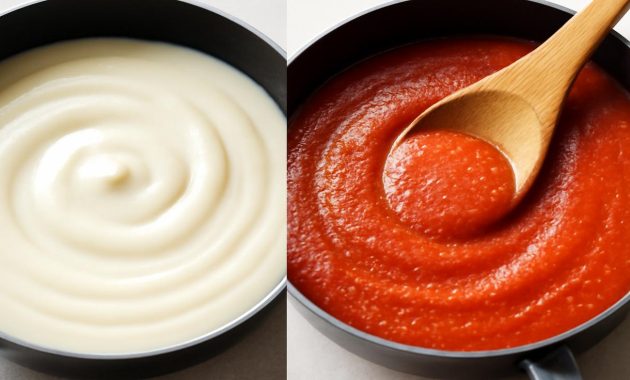
The first time I ruined a sauce with this trick, I didn’t even notice. The pan looked promising: a silky pool of tomato glossed with olive oil, garlic still fragrant, basil leaves wilting in slow motion. It tasted fine—good, even—for the first hot bite. But by the time plates hit the table, the magic had slipped away. The sauce had turned oddly flat and a little dull, like the memory of a song instead of the song itself. No one complained. In fact, everyone ate happily. But I knew, in that uncomfortable, private way you know when you’ve cut a corner, that something had gone missing.
The Shortcut Hiding in Plain Sight
It starts with a little voice in your head just as you reach for the salt: Maybe I can fix this at the end. You taste a simmering sauce and find it bland, or too acidic, or mysteriously “not quite there.” And instead of patiently coaxing flavor with time, heat, and careful additions, you reach for the fastest, neatest, least-messy fix you know: a bottled, pre-mixed, everything-in-one seasoning—often loaded with salt, “natural flavors,” stabilizers, and sweeteners—or a quick glug of that all-purpose concentrated stock you keep in the fridge door.
On the surface, it’s convenient. One swoop of the spoon, one dash, one squeeze. And the sauce doesn’t curdle, doesn’t separate, doesn’t visibly break. It looks fine. That’s what makes this shortcut so sneaky: it doesn’t leave obvious clues on the plate. The damage happens beneath the surface, in the structure of the sauce and in the way your tongue experiences flavor over time.
Because the shortcut that quietly ruins so many sauces is this: over-relying on highly concentrated, pre-balanced seasonings—or adding them too late in the cooking—so that the sauce can’t properly integrate the flavors. It’s not that these ingredients are inherently evil. It’s their timing and intensity that undo all the quiet work of slow cooking.
When Flavor Stops Growing and Starts Masking
Imagine a sauce as a little ecosystem. Every ingredient—fat, acid, heat, aromatics, sweetness, salt—evolves as it cooks. Onions soften, garlic mellows, herbs surrender their bright edges for rounder notes, tomatoes sweeten and deepen. When you season thoughtfully throughout the process, you help each stage settle into balance. Salt doesn’t just make food salty; it helps volatiles evaporate, relaxes the structure of vegetables, and unlocks hidden sweetness.
Now picture you’re halfway through a simmered tomato sauce. You forgot to salt at the beginning. The tomatoes reduced, the onions caramelized, and the garlic browned—but without enough salt, flavors developed more timidly. At the end, panicked by blandness, you pour in a heavy splash of concentrated stock or a shake of all-purpose seasoning blend. In seconds, the sauce seems “fixed.” The first spoonful tastes louder: saltier, meatier, punchier. Maybe a hint of sweetness or a jolt of umami.
But what actually happened is less romantic. You didn’t deepen the flavor; you put a mask over it. Instead of helping the existing elements bloom, you layered in an aggressive, pre-set pattern of taste that sits on top of everything else. Like too-strong perfume in a small room, it doesn’t let anything else be heard.
The Invisible Side Effects
Here’s what’s quietly going wrong when you patch a sauce at the end with a concentrated, pre-balanced shortcut:
- Flattened complexity: Subtle notes from slow-cooked vegetables get swallowed by a monotonous, instant savoriness.
- Shallow aftertaste: At first bite the sauce seems bold, but it fades fast, leaving a short, blunt finish instead of a lingering, layered one.
- Harsh salt build-up: Because the salt didn’t have time to dissolve and integrate into ingredients, you perceive it more on the surface of the tongue.
- Heat and acid misalignment: Chili and acidity feel sharper, because they weren’t balanced gradually with salt and fat as they developed.
The sauce looks smooth. The color is good. No breaking, no separating, no visible crime scene. Yet the soul of the dish—the gradual weaving-together of flavors—has been quietly bargained away for a quick sense of “enough.”
What’s Really Inside That “Little Extra” You Add
Some shortcuts are obvious: bouillon cubes, concentrated stocks, seasoning pastes. Others are sneakier: your favorite “magic” umami powder, that amber-colored liquid seasoning from the back of the pantry, the sweet-savory stir-fry sauce you swear you only use “just a bit of.”
They tend to have the same hallmarks: high salt, layered sweeteners, and lab-designed flavor boosters. Used early and sparingly, they can be helpful tools. Used late, in a last-minute rescue attempt, they become bulldozers in a glass bottle.
Let’s look at how they stack up against a slow-built sauce. You can think of it like this:
| Approach | What You Get At First Taste | What You Get After A Few Bites |
|---|---|---|
| Gradual seasoning while cooking | Balanced salt, gentle aroma, depth building slowly | Layers of flavor, long finish, no single note shouting |
| Late addition of concentrated shortcut | Instant punch; strong, uniform savoriness; quick “fix” feeling | Flat, salty fatigue; ingredients taste similar; palate gets tired fast |
The danger isn’t using these ingredients at all; it’s believing they can stand in for time and attention. A sauce is a slow conversation. A shortcut used at the wrong moment isn’t help—it’s interruption.
Heat, Time, and the Quiet Work of Building a Sauce
Think about a simple pan sauce after searing chicken. You’ve got browned bits clinging to the skillet—fond, the concentrated memory of heat. The hurried cook might splash in pre-made gravy base, stir for a minute, and call it a day. It will be brown. It will be thick. People will eat it.
But if you resist the shortcut, you begin differently. You pour off some fat, leaving just enough to carry flavor. You add a minced shallot and let it soften, translucent at the edges. A pinch of salt, early. You deglaze with wine, letting the alcohol steam away while the shallots pick up that gentle acidity. Stock goes in—not too concentrated—and you scrape the fond up slowly, watching the sauce thin, then thicken again as it reduces. More small pinches of salt, layered in, tasting as you go. Finally, off the heat, a cold knob of butter swirled in to glaze everything.
What you’ve done is let the sequence of events matter. At each step, salt, heat, and time interact with the ingredients in a different way. The onions don’t just sit in the final sauce; they help shape it. The wine doesn’t just add sourness; its harsh edges cook off, leaving something gentle and complex.
Now imagine dropping in a spoonful of hyper-concentrated gravy base at the very end. It yanks flavor in a new direction, like an unexpected key change in the last bar of a song. The delicate balance you were building has to fight to be noticed. You may still call it “pan sauce,” but you’ve replaced its fingerprint with something generic and loud.
The Illusion of Control
Part of what makes this shortcut so tempting is the illusion that you’re keeping control. You wait until the end, taste, then blast in enough concentrated flavor to push everything into the “tasty” zone.
But the more you rely on late-stage, pre-balanced fixes, the less you learn about how flavors evolve. You stop noticing what onions are like after five minutes versus fifteen, what happens to tomatoes once they cross from sharp red to brick-colored sweetness, how a sauce’s saltiness can feel different hot from cold. You trade skill for insurance—and the premium is paid in the quality of your sauces.
Learning to Listen Earlier
The cure is not purism. You don’t have to make your own stock every week or swear off every cube and bottle. What changes everything is shifting when and how you use them.
Instead of thinking of that broth concentrate or “all-purpose” seasoning as an emergency repair kit, treat it like a background instrument. Use a little early, where heat and time can fold it into the chorus rather than letting it shout a solo at the end.
- Salt in layers: Add small pinches from the start—sweating onions, seasoning tomatoes, adjusting after reduction—rather than one large correction at the end.
- Build body with ingredients, not just thickeners: Use reduced stock, caramelized vegetables, or long-cooked aromatics to create richness before you reach for cornstarch or instant roux.
- Use shortcuts as accents, not foundations: A dash of soy sauce or fish sauce early in cooking can add a deep bass note. A big splash at the end usually hijacks the melody.
- Taste with time in mind: When you season, remember the sauce will reduce, cool, and mingle with pasta or rice. Season for the future, not just for the spoon in your hand.
When you give flavor room to unfold, your sauces stop needing dramatic rescues. Their balance feels inevitable, not engineered.
The Subtle Ruin You Only Notice Later
There’s another way this shortcut quietly spoils sauces: not in the pan, but at the table. You might not realize anything is wrong until halfway through the meal, when you stop craving the next bite.
Think of the best sauces you’ve ever had—maybe a slow-simmered ragù, a glossy reduction over roast vegetables, a simple but perfect aglio e olio. They share a quality that’s hard to name: you keep chasing them. Every forkful feels a little different from the last. A hint of thyme here, a sweet pocket of carrot there, a darker edge from the browned bits on the pan, a bright flash of acid cutting through richness.
Sauces sabotaged by late-stage, concentrated shortcuts don’t offer that chase. The first bite might be impressive, loud, satisfying. But then every bite tastes pretty much the same. Your brain stops exploring. It moves on. You keep eating because you’re hungry or polite—but the subtle excitement is gone.
This is why restaurant sauces that rely too heavily on bouillon and bottled flavor boosters leave you feeling vaguely tired by the end of a meal, even if you enjoyed it at first. There’s no landscape, just a single, bright, unchanging light.
The Quiet Confidence of Imperfect Sauces
Ironically, the antidote to this flattening shortcut is allowing your sauces to be a little less perfect—at least at first taste. A sauce that’s been built slowly might have small shifts and quirks. Maybe one mouthful leans slightly sweeter, the next a touch more acidic, because a piece of tomato or a splash of wine concentrated here, or a browned edge tucked there.
Those variations are not flaws; they are texture. They’re what make a sauce feel alive instead of engineered. You don’t reach that kind of living sauce by slamming in a late-stage, highly concentrated fix. You reach it by letting ingredients talk to one another as they cook, nudging them gently instead of shouting them down at the end.
Choosing Presence Over Perfection
In the end, this is less about villainizing any specific ingredient and more about what kind of cook you want to be. It’s the difference between showing up for the whole process or just managing the result.
You can keep your shortcuts. Keep the cubes, the bottles, the jars. But move them off the pedestal of “emergency savior” and onto the quieter shelf of “supporting players.” Use them when they have time to breathe. Let heat and time soften their edges so they can blend instead of dominate.
Most of all, trade the comfort of the instant fix for the curiosity of being there earlier. Salt your onions and notice how they change. Taste your simmering tomatoes before and after a splash of wine. Pay attention to how a sauce thickens and brightens, then mellows again as it rests. This is the real shortcut, the one that doesn’t feel like a shortcut at all: attention, applied a little at a time.
Because the danger of that late-stage, concentrated shortcut isn’t only that it can ruin your sauces. It’s that it can quietly dull your own senses, training you to trust the bottle more than your tongue. The pan may not show the damage. The sauce may not visibly break. But somewhere, beneath the glossy surface, the conversation that could have been extraordinary has already ended.
Frequently Asked Questions
Is it always wrong to use bouillon cubes or concentrated stock?
No. They can be very useful if you use them early and in moderation. Add them while the sauce is still developing—during the simmer, not as a big flavor bomb at the end. That way, heat and time can integrate them into the overall profile instead of letting them overpower everything.
How can I fix a sauce that I already over-seasoned with a shortcut?
You can’t fully undo it, but you can soften the impact. Try diluting with unsalted stock or water, then re-balancing with more aromatics (like sautéed onions or garlic), a bit more fat, or a touch of acid (wine, lemon, or vinegar). In extreme cases, use the sauce in smaller amounts—tossed with more pasta, grains, or vegetables—to spread out the intensity.
What should I use instead of all-purpose seasoning blends?
Use individual elements: good salt, freshly ground pepper, fresh or dried herbs, and simple pantry umami (like a bit of soy sauce, miso, or parmesan rind) applied thoughtfully and early. This lets you control balance rather than inheriting a pre-designed flavor profile.
How do I know when to season during cooking?
Think in stages. Lightly season your base (onions, carrots, celery) as they cook. Taste again once your main liquid (tomatoes, stock, wine) has been added and simmered. Adjust near the end with small pinches, remembering that reduction intensifies saltiness. Final seasoning should be fine-tuning, not a complete rescue effort.
Why does my sauce taste great on the spoon but bland on the plate?
Sauces often need to be slightly more intense in the pan to stand up to pasta, rice, or protein. Also, they taste different once cooled slightly. When you think the sauce is almost right, test it with a bit of what it will be served on—spooned over a small piece of pasta or bread—and adjust from there with subtle, not drastic, changes.