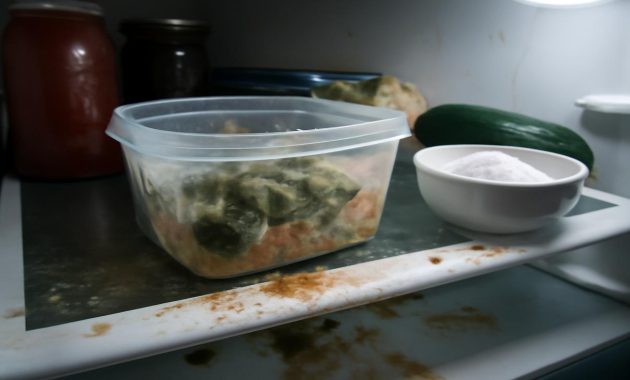
The smell hits you before the cold does. You open the fridge door and, for a split second, your kitchen air changes—damp, sour, maybe a little oniony, like a forgotten lunchbox after a long summer day. You stand there, hand on the handle, baffled. You scrubbed those shelves. You tossed the leftovers. You tucked in a fresh box of baking soda like a tiny white soldier on odor patrol. And still, the smell returns, slipping back into the chilled air as if it had been waiting for you to close the door again.
The Mistake You Can’t See (But Can Always Smell)
Most people think fridge odors come from “bad food.” Something spoiled. Something moldy. Something you can point to and say, “You. You are the problem.” So we open containers, suspiciously sniff the milk, study expiration dates with narrowed eyes. We throw out the fuzzy strawberries and the half-used jar of mysterious sauce. We wipe down surfaces, maybe even do a heroic deep clean once in a while.
Yet the smell lingers.
That’s because the most stubborn fridge odor doesn’t live in the rotten food at all. It lives in a mistake—quiet, invisible, and repeated almost every single day.
The mistake? Letting smells soak into the surfaces and crevices of your fridge by storing food uncovered or poorly sealed, again and again, until plastic, rubber, and insulation quietly become sponges for scent. Over time, your fridge itself starts to smell like past meals. Not just the leftovers, but the literal walls, seals, and plastic lining.
Once that happens, the odor isn’t riding on the air for you to “freshen.” It’s infused into the very bones of the machine. Like smoke in a winter coat, or garlic in a wooden cutting board, it clings. That’s why you can empty the fridge and still smell last month’s curry or last year’s fish.
The Quiet Chemistry of a Stinky Fridge
Inside a closed, cold box, smell works differently. Your fridge isn’t empty space—it’s a tiny ecosystem of moisture, temperature shifts, and trapped air. When you slide in an uncovered bowl of chopped onions, or an open plate of leftover salmon, thousands of volatile compounds rise from that food with every hour that passes. They don’t just drift around politely. They look for places to land.
Plastic shelves, rubber seals, door gaskets, and even the insulation behind your fridge walls are slightly porous. Over time, oily or sulfurous compounds from foods—garlic, onion, cheese, meats, fish—get absorbed. That invisible fog of food smell moves in and never truly moves out.
Every time the door opens, a wave of warm room air rushes in, nudging those trapped smells to lift and circulate once more. You think the odor came from something fresh you just put inside. In reality, it’s a chorus of weeks or months of past meals that were left without proper covers or lids, layering their scent the way tree rings record seasons.
This is why throwing away one suspicious container doesn’t fix the problem. The mistake isn’t the single forgotten food item—it’s the everyday habit of storing “just for a bit” without sealing: a plate covered loosely with foil, a half-cut onion left open, a saucy dish with no lid, cheese exposed on a bare shelf. These decisions are so small they feel innocent. But repeated over hundreds of meals, they’re what makes the smell feel impossible to erase.
How Odors Sneak Deeper Than the Shelf
Open your fridge and look at it not as an appliance, but as a landscape of tiny hiding places. There are grooves where shelves rest. There’s that thin rubber strip around the door, folding in on itself like a river delta of crumbs and condensation. There’s the drip tray beneath or behind the fridge, quietly collecting whatever trickles down, often forgotten for years.
When you store food uncovered in this environment, the odor doesn’t just hover over it like a cartoon stink cloud. It creeps into seams and micro-cracks. Condensation forms and dries. Liquids spill, get wiped “mostly” clean, and leave shadow stains of flavor and scent that no quick swipe can remove. Grease particles, almost invisible, attach themselves like dust.
So the core mistake isn’t simply forgetting to clean. It’s letting odor-heavy foods float free inside an enclosed box long enough that the box itself becomes a participant in the smell. At that point, you’re not just cleaning spills; you’re trying to un-write history from plastic and rubber.
That’s why so many people feel like they’ve done “everything right” and the smell still returns. They’ve treated the symptom (the smelly food) but not the disease (the habit of letting odors marinate into the structure).
The Table of Tiny Choices That Create Big Smells
Here’s how everyday decisions stack up over time, and what to do instead:
| Habit | Why It Causes Odors | Better Alternative |
|---|---|---|
| Storing leftovers on an uncovered plate | Odor compounds escape freely into the fridge air and surfaces. | Use airtight glass containers or well-sealed reusable lids. |
| Leaving cut onions/garlic exposed | Sulfur compounds are extremely clingy and persistent. | Seal in a small airtight jar or container immediately. |
| Keeping cheese open in the drawer | Fatty, aromatic particles coat plastic and gaskets. | Wrap tightly, then place in a dedicated closed container. |
| Relying only on baking soda | Absorbs some odor but doesn’t stop new ones or fix soaked surfaces. | Combine odor absorbers with strict covered-storage habits. |
| Wiping but not rinsing | Smears residue that keeps releasing smell. | Wash with warm, soapy water and then wipe with clean water. |
The Deep Reset: Teaching Your Fridge to Forget
There comes a point when a fridge smell feels like part of its personality, like those houses that always smell faintly of someone else’s cooking. If your fridge has crossed that line, you need more than a routine clean—you need something closer to a reset.
Imagine turning your fridge into a blank page again, making it forget years of exposed dinners and thawing fish. It’s possible, but it asks for patience and a bit of tenderness, as if you were helping a tired, overworked thing start fresh.
First, everything comes out. Not just the old condiments you secretly judge but keep, not just the leftovers. Every jar, every bottle, each lonely packet of sauce. This isn’t a quick raid; it’s an exhale. As the shelves empty, the bare smell of the interior steps forward, unmistakable now that its distractions are gone.
You turn the temperature dial off, unplug if you can, and leave the doors open. Cold air retreats and, with it, some of the odor’s grip. Moisture begins to loosen its hold from plastic corners. Light spills into places normally dark.
Then, you clean as if the smell is invisible dust. Warm water with a gentle soap. A soft cloth that gets rinsed often instead of simply moved around. Every shelf removed and washed in the sink. Every drawer taken out and scrubbed until it squeaks. For the stubborn corners—around the door gasket, the creases in the vegetable drawers—you use a soft toothbrush or cotton swab, coaxing out tiny lines of grime you didn’t know were there.
The mistake here would be rushing. Fridge odors become “impossible” when we try to fix them in the time it takes to wipe a counter. But they arrive slowly, layer by layer. They leave in layers, too.
Once soap has done its work, you rinse. This part matters more than people think. Soap itself has a smell, and if it lingers, it can mingle with food and turn slightly sour over time. A wipedown with clean water, then a dry cloth, lets the surfaces breathe again.
Next comes the quiet, odor-absorbing phase. An open bowl of baking soda, yes—but not as the hero, as a helper. Activated charcoal if you have it, placed in a shallow dish. Some people use coffee grounds or a small plate of dry oats. The point isn’t magic; it’s giving those remaining airborne particles somewhere better to go than into your next week’s groceries.
Leave the fridge empty and open for several hours, or overnight if possible. Let air do what air does best: move and dilute. The smell won’t vanish like a switch being flipped. But it will soften, lift, and thin out. Your fridge, once a crowded archive of meals, becomes a quiet, scentless landscape again.
The New Rule That Changes Everything
Now comes the part that matters more than any cleaning product or hack: what you do next. This is where most people stumble back into the same mistake.
Think of your freshened fridge as a nature reserve after a cleanup. You don’t want to pollute it again with the same habits. So you make one guiding rule, simple enough to remember every time the door opens:
If it smells now, it will smell ten times more inside the fridge—so it must be covered or sealed.
Not “later.” Not “just for tonight.” Every time.
Curry from dinner? Into a lidded container. Half an onion from the cutting board? Wrapped tightly, then into a small jar. Leftover fish? Double-sealed: first in a container, then inside a designated “strong smells” box or bag if you can. Cheese? Wrapped and tucked into its own mini territory, a container that doesn’t share space with berries or greens.
It may feel fussy at first, like too much thought for a mundane task. But within days, your fridge air begins to change. Open the door and you smell: almost nothing. Maybe a light hint of crisp greens or cool plastic, like standing in the shade beside a stream. Food holds its own scent more clearly, too. Strawberries taste more like strawberries when they haven’t spent nights inhaling the ghost of garlic.
This single habit—covering or sealing anything aromatic before it crosses the fridge threshold—is the pivot between a fridge that always smells vaguely like the past and one that stays peacefully neutral. It turns your appliance back into what it was meant to be: a place that preserves, not a place that remembers.
The Subtle Joy of a Neutral Fridge
There is a small, unexpected pleasure in opening a fridge that smells like almost nothing. Morning becomes simpler. You reach for milk without that cautious sniff of doubt. You don’t feel embarrassed when someone else goes hunting for a snack. Your fruit and vegetables don’t taste like last week’s takeout.
In a way, you’ve changed your relationship not only with an appliance, but with your own sense of home. Odor is memory, and your fridge has been hoarding it. By ending the mistake of letting uncovered smells steep into its surfaces, you reclaim that space as something quieter, calmer, more respectful of what you put inside it.
And if one day, months from now, you open the door and catch a faint, returning edge of something funky, you’ll know exactly where to look—not in the mysterious “soul” of the fridge, not in some hidden curse of the appliance, but in a bowl, a plate, or a jar that slipped in without its proper cover.
Because in the end, fridge odors aren’t impossible to eliminate. They’re just stubborn echoes of a small, persistent mistake. Stop the echo at its source, and the cold air slowly, steadily, becomes clean again.
Frequently Asked Questions
Why does my fridge still smell even after I clean it?
Odors can seep into plastic, rubber gaskets, and tiny crevices over time, especially if you often store uncovered or poorly sealed foods. Even if the visible surfaces are clean, the materials may have absorbed lingering smells that slowly release back into the air.
Does baking soda really work for fridge odors?
Baking soda helps by absorbing some acidic and basic odor molecules in the air, but it can’t pull smells out of soaked plastic or rubber. It’s useful as part of a routine, not as a complete solution. Properly sealing foods and deep cleaning are more important.
How often should I deep clean my fridge?
If you store foods properly covered, a deep clean every 3–4 months is usually enough. If you’ve struggled with persistent odors or frequent spills, doing a more thorough clean every 1–2 months can help reset the interior.
What containers are best for preventing odors?
Airtight glass containers are ideal because glass doesn’t absorb smells and is easy to clean. Well-sealed plastic containers can work too, but over time some plastics may hold onto strong odors. For very aromatic foods, double-containment—container inside a sealed bag or second box—works well.
Can a bad fridge smell mean something is wrong with the appliance?
Sometimes. If the odor is musty, moldy, or rotten even after deep cleaning and removing all food, check the drip tray, drain hole, and any hidden water collection areas. Rarely, a failing component or trapped moisture in insulation can cause persistent smells. If cleaning all accessible parts doesn’t help, a technician may be needed.
How can I keep my fridge smelling fresh long-term?
Always cover or seal aromatic foods, clean spills immediately, deep clean regularly, and keep a small bowl of baking soda or activated charcoal inside. Avoid overpacking so air can circulate and odors don’t get trapped in crowded corners.
Is it normal for my fridge to smell like the foods inside?
A very faint hint of food is normal right after opening the door, but strong, mixed, or sour odors are not. A well-maintained fridge mostly smells like cool, neutral air. If you consistently smell last night’s dinner hours later, it’s a sign that food isn’t being stored tightly enough or that odors have already soaked into the surfaces.