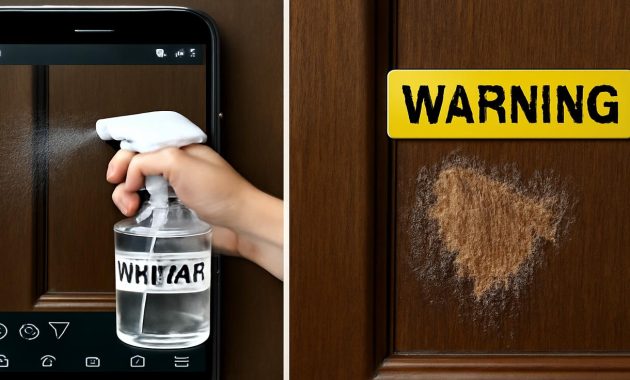
The video is only eight seconds long, but that’s all it takes. A hand appears in frame, clutching a cloudy plastic spray bottle. The door is painted a calm, beachy blue; there’s a brass handle, a wreath of dried eucalyptus, a welcome mat that says “Hey.” The caption flashes up: “My secret trick for a peaceful home.” Then—pssst, pssst, pssst—the person mists vinegar across the doorframe, the threshold, the knob. Text overlays explain that it keeps away bad energy, nosy neighbors, ants, and negativity “of all kinds.” In the comments, someone types, “Doing this TONIGHT.” Another says, “Why did no one tell me about this earlier?” And just like that, a quiet front-door ritual turns into a viral habit sweeping through millions of screens.
The Front Door Becomes a Stage
Scroll long enough and you’ll see it: front doors in every color, style, and neighborhood, all getting the same sharp, vinegary mist. Some creators swear it’s an old folk remedy “grandma used to do,” others frame it as a spiritual cleanse, and still others call it their “all-natural protection spray.” It’s oddly intimate, watching people tend to the most symbolic part of their homes—the literal boundary between “out there” and “in here.”
In one clip, a mother stands at a red door, evening light slanting across the porch. Her kid’s scooter is abandoned on the steps. She explains that she sprays vinegar across the threshold every few days, “to clear the vibe” and “keep bugs from marching right in.” As she speaks, commenters flood the screen: “This actually works for ants.” “This is witchy aunt energy and I love it.” “Does the smell go away?”
There’s a sensory logic to it. Vinegar smells like action—sharp, nose-wrinkling, unmistakably “clean,” even if what’s happening at a microscopic level is more complicated. The faint sting in the air feels a bit like something is being reset. It’s easy to imagine that this invisible barrier might keep away more than just fruit flies.
The front door amplifies that feeling. It’s not just another surface; it’s a symbol. In many traditions, it’s the line where energies, intentions, people, and weather all cross. Spraying something there feels meaningful, even if the “why” is blurry. Vinegar, humble as it is, has stepped into a starring role—protector, purifier, and viral trending ingredient all at once.
The Myth of the Magical Mist
Once a habit catches fire online, the story around it tends to grow wings. In the comment sections of these vinegar-spraying videos, myths stack up like overstuffed recycling bins.
Some people claim vinegar at the door will keep away everything from “haters” to “evil spirits” to “nosy in-laws.” Others insist it will “kill all germs,” “completely disinfect your handle,” or “repel every insect that exists.” It sounds simple, comforting, and deliciously low effort: one bottle, one spritz, a fortress of safety.
But vinegar is not magic, and professionals are watching this trend with a mixture of curiosity and unease. Chemists, cleaning experts, and even door manufacturers have begun gently raising their hands: vinegar is useful, yes—but not like that, and not on everything.
On the microbial side, household white vinegar is an acid (usually around 5% acetic acid), and it does have some antimicrobial properties. It can reduce certain bacteria and some molds on smooth surfaces, especially when given time to sit. But calling it a universal disinfectant at the front door is generous at best. For many pathogens, especially the ones you actually worry about on a high-touch area like a door handle, vinegar isn’t strong enough to meet the standards of a real disinfectant.
Then there’s the bug-repellent myth. Vinegar can help disrupt the scent trails ants leave behind, and it might make a surface less inviting for a while. But that doesn’t mean every insect will smell the spray and veer off like a cartoon character hitting an invisible wall. Nature is rarely that simple—pests are persistent, adaptable, and often unimpressed by our TikTok trends.
Beyond what vinegar can’t do, there’s a quieter, more structural truth: every time someone squeezes that trigger over their gleaming front door, something else is happening—a slow, invisible conversation between acid and material.
What Vinegar Really Does to Your Door
If you’ve ever cleaned a window with vinegar, you know the satisfaction: the sizzle of the spray, the streaks disappearing, that fleeting, sour scent fading into nothing. Used correctly, vinegar can be a helpful cleaner in some parts of a home. But a front door is a complex mix of surfaces and finishes, each with its own vulnerabilities.
Painted and Stained Wood
Wooden doors are small ecosystems: grain, pores, pigments, sealants, sometimes layers of history hidden beneath a fresh coat. When vinegar meets wood, especially unfinished or lightly sealed wood, its acidity can start to break down the protective topcoat over time. The danger isn’t one dramatic spray; it’s the repetition.
Professionals who refinish doors report seeing:
- Dull, chalky patches where the finish has been slowly eroded
- Uneven sheen, especially around handles and lower panels where spray tends to collect
- Hairline cracks in the finish as it dries out, making the wood more vulnerable to moisture
On stained doors with clear varnish or polyurethane, repeated vinegar exposure can cloud or streak the coat, turning what once was a rich, warm surface into something flat and tired. And if moisture seeps into microscopic gaps, wood can swell or warp, especially in climates that swing between humidity and dryness.
Metal Hardware and Hinges
Door handles, locks, kick plates, knockers—these are usually made from brass, bronze, stainless steel, or a mix of metals and coatings. Here, vinegar’s personality really shows.
- Brass and bronze: Vinegar is often used intentionally in metal patina recipes because it accelerates tarnish. At your front door, though, that “aged” look might not be the goal. Spraying vinegar daily across brass hardware can strip protective lacquers and encourage uneven dark spots, pitting, and discoloration.
- Coated metals: Many modern handles have protective films or powder-coated finishes. Acid exposure can gradually weaken or spot these coatings, leading to flaking or peeling, especially around edges and seams.
- Hinges and locks: When vinegar seeps into internal mechanisms, it can mix with any dust or lubrication inside. That moisture and acidity can promote corrosion and make locks feel rough or sticky sooner than they should.
Stone, Concrete, and Tile Thresholds
The ground right under your door is another hidden victim. Many entryways are framed with concrete, stone, tile, or grout. Vinegar, as a mild acid, reacts especially strongly with materials that contain calcium carbonate—think limestone, some concrete mixes, and certain tiles.
Over time, repeated vinegar misting and runoff can:
- Etch surfaces, leaving them permanently dull or rough
- Soften or weaken grout lines
- Create patchy, lighter spots where minerals have dissolved away
None of this happens overnight. It’s the quiet damage that comes from a ritual gone slightly off course—a daily mist, a weekly routine, a habit that seemed harmless because it smelled like “clean.”
Why This Ritual Took Off Anyway
So why did this particular habit, of all things, explode? Vinegar at the door doesn’t have the glossy glam of a designer candle or the soothing elegance of a minimalist incense holder. And yet, it spread.
Part of the answer sits in the uneasy craving that underlies so many viral “home hacks”: people want control. The world outside the door is loud—politics, climate, safety worries, the constant churn of headlines and notifications. Inside, most of us are trying to create some sense of calm. The front door is the boundary, the filter, the place where you say, “This is where my rules start.”
A bottle of vinegar becomes more than a cleaner. It’s cheap, accessible, and somehow feels honest—no marketing buzzwords, no mystery ingredients. When someone on your screen says, “I spray this on my door and my home feels more peaceful,” what they’re really offering is a script: a simple ritual to mark the difference between chaos and refuge.
There’s also a whisper of folk tradition woven through the trend. Cleansing thresholds with herbs, salt, smoke, or water shows up across cultures and time periods. Vinegar slots neatly into that long lineage, even if the exact practice is new. It carries a hint of witchcraft for some, a sense of “natural wisdom” for others, and a shot of old-fashioned practicality for everyone who grew up watching a parent wipe windows with diluted vinegar.
The problem isn’t the desire for ritual. It’s that a symbolic act, when repeated as a physical one in the same exact place, has real-world consequences for wood grain, metal coatings, and grout lines that never consented to become spiritual battlegrounds.
How to Keep the Ritual, Lose the Damage
The good news is that you don’t have to abandon the feeling behind the habit—the quiet moment at the door, the sense of starting fresh—just to keep your hardware intact. You can protect both the energy and the materials of your home with a few shifts in perspective and practice.
Use Vinegar Sparingly and Wisely
If you’re set on using vinegar as part of your doorway cleaning routine, you can make it gentler:
- Always dilute: Mix vinegar with water (at least 1:1, often more water than vinegar) in a separate, clearly labeled spray bottle.
- Target non-sensitive surfaces: Use it for occasional cleaning of glass inserts or very smooth, sealed, non-porous areas—but avoid raw wood, unsealed stone, and decorative metal hardware.
- Spray the cloth, not the door: Mist a microfiber cloth and wipe, instead of soaking the door and letting liquid run into cracks and hinges.
- Rinse and dry: After wiping with vinegar, follow with a damp cloth of plain water, then dry thoroughly to minimize lingering acidity.
Let Symbolism Live Somewhere Else
If what you really want is that feeling of “clearing” the threshold, it doesn’t have to be vinegar-dependent:
- Sound: A small chime or bell rung near the doorway can create a sensory “reset” without touching the surface at all.
- Scent: A doorway-adjacent diffuser or a bowl of herbs placed nearby carries atmosphere without spraying directly onto finishes.
- Movement: Simply opening the door wide once a day, letting in light and fresh air, can become its own kind of cleansing ritual.
The key is to separate the emotional meaning (“I’m inviting in calm, keeping out what drains me”) from the physical act that might, over time, be rough on your house.
Choose Door-Friendly Cleaners
Professional cleaners and manufacturers tend to agree on a few safer basics for doors:
- Mild dish soap and water: A small drop in warm water, applied with a soft cloth and dried afterward, is often enough for painted or sealed wood.
- Specialty metal cleaners: For brass or bronze hardware, use products designed for those metals and follow the directions exactly.
- Neutral pH stone cleaners: If your threshold includes natural stone or grout, cleaners labeled as safe for stone help avoid etching and dullness.
If you’re ever unsure, a quick check of the manufacturer’s care instructions for your door or hardware can prevent years of slow, unnoticed damage.
A Quick Look: Vinegar vs. Common Door Materials
To see the trade-offs at a glance, here’s a compact overview of how vinegar typically behaves around the most common materials you’re spraying it on or around.
| Material | Short-Term Effect | Long-Term Risk with Repeated Use | Suggested Approach |
|---|---|---|---|
| Painted wood door | Removes some surface grime; may look slightly cleaner. | Dulling, uneven sheen, potential finish breakdown and microcracking. | Use mild soap and water; avoid frequent vinegar sprays. |
| Stained/varnished wood | Temporarily brightens, but can soften protective layer. | Clouding, blotching of varnish, increased moisture absorption. | Stick to products made for wood finishes; skip vinegar. |
| Metal hardware (brass, bronze) | Removes some tarnish; can look briefly brighter. | Strips protective coating, uneven tarnish, pitting, discoloration. | Use dedicated metal cleaners; avoid routine vinegar misting. |
| Glass panels | Cuts through smudges and light mineral spots. | Relatively low risk if not hitting surrounding materials. | Fine in dilution; spray cloth instead of door. |
| Stone, tile, grout threshold | May remove some surface deposits. | Etching, dullness, weakened grout, light spots. | Use neutral pH stone-safe cleaners; avoid vinegar runoff. |
Rituals That Age Gracefully
In the end, the story of vinegar on the front door isn’t just about chemistry or TikTok. It’s about how quickly we reach for easy answers—and how much we crave small acts that make home feel safer, more intentional, more ours.
There’s nothing wrong with a doorway ritual. Stand there for a moment with your keys in your hand. Listen to the soft thump of your own heart, the faint rush of traffic, the murmur of neighbors talking down the hall or across the street. This threshold is yours. It deserves care.
Maybe, instead of showering it in acid day after day, you:
- Wipe it gently, once a week, with something that won’t strip away its armor.
- Whisper a quiet intention when you lock it at night: “Let what I need come in. Let what harms me stay out.”
- Open it wide every morning, letting the new air sweep across the floor, the way tides touch shorelines.
Online trends come and go. The spray bottle that felt like a talisman this month might be replaced by salt bowls, or bay leaves, or a new, branded “door aura mist” by next winter. But the materials that quietly hold up your home—wood, metal, stone—will be here for decades if you let them. They remember every dab, every drip, every well-meant experiment.
It’s possible to love the feeling of a ritual without forgetting the needs of the objects involved. Your door doesn’t mind being a symbol. It does, however, mind being bathed in acid, one viral habit at a time.
FAQ
Does spraying vinegar on my front door really disinfect it?
Vinegar can reduce some bacteria and certain types of germs, but it isn’t a broad-spectrum disinfectant. On high-touch areas like door handles, it won’t reliably kill the full range of pathogens that approved disinfectants are designed to target.
Can vinegar damage my door’s paint or finish?
Yes, over time. Occasional light cleaning might not cause immediate visible issues, but repeated, frequent spraying can dull paint, soften or cloud varnish, and contribute to cracking or uneven sheen, especially on wood doors.
Is it safe to use vinegar on metal door handles and locks?
Not as a regular spray. Vinegar is acidic and can strip protective coatings, encourage tarnishing, and even contribute to pitting or corrosion on brass, bronze, and coated metals. It can also migrate into lock mechanisms, which isn’t ideal.
Will vinegar at the door actually keep bugs away?
It may temporarily disrupt ant trails and make an area less appealing to some insects, but it is not a reliable, long-term pest barrier. Pests often adapt or avoid a spot briefly, then return when the scent fades.
What should I use instead of vinegar to clean my front door?
For most painted or sealed doors, a small amount of mild dish soap in warm water and a soft cloth works well. For glass, you can use a glass cleaner or diluted vinegar carefully applied to a cloth. For metal hardware, reach for cleaners made specifically for that metal, and for stone or grout, choose a neutral pH, stone-safe product.
Can I keep a “cleansing” ritual without risking damage?
Yes. You can focus on non-contact rituals: sound (bells or chimes), scent placed near but not on the door, intentional breathing at the threshold, or simply opening the door daily to let in fresh air and light. These preserve the emotional meaning without stressing the materials.
Is diluted vinegar safer for my door than full-strength?
Diluting vinegar with water does make it less harsh, but frequent use can still cause gradual wear, especially on sensitive finishes and materials. Even diluted solutions should be used sparingly, targeted carefully, and followed by rinsing and drying where possible.