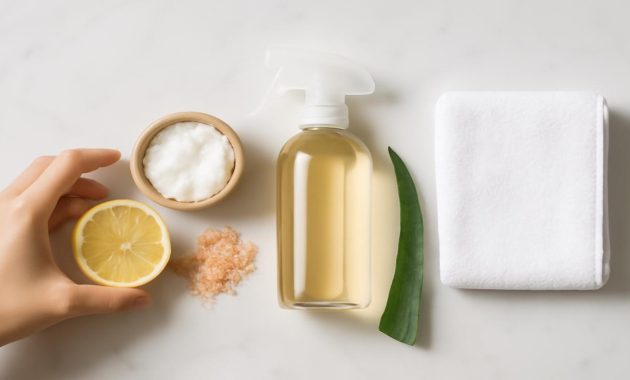
The experiment began on a Monday morning that already felt like a dare. I stood in my bathroom, staring at a bar of soap and a half-used stick of deodorant like they were exes I was finally breaking up with. Somewhere between reading about the skin microbiome and watching yet another documentary on chemicals in our daily lives, a rebellious thought had lodged itself in my mind: what if I could live without them? No soap. No deodorant. No daily ritual of scrubbing and masking. What if I stopped fighting my own scent—and actually changed it at the source?
The Quiet Truth Your Armpits Have Been Whispering
Most of us grow up believing that body odor is a sign of dirtiness or failure. We learn early: sweat equals smell, smell equals shame. So we douse, scrub, spray, apply. But the truth is stranger and far more intimate—your sweat is basically odorless when it leaves your glands. The smell we fear, cover, and apologize for is actually something else entirely: a conversation between your skin’s bacteria and the fluids your body releases.
Under your arms is one of the richest little ecosystems on your body—a damp, warm, dark rainforest where bacteria live their full, chaotic lives. These microbes feed on compounds in your sweat and sebum, breaking them down into smaller molecules. Those molecules drift into the air and land in the world as… well, “you.” Your scent. Your biological calling card. Sometimes earthy, sometimes sharp, sometimes sour. Sometimes so strong you want to pretend it’s not happening.
Most modern products don’t solve this at the root; they simply drown it in fragrance or hit it with chemicals that carpet-bomb everything on your skin—good microbes and bad, sensitive barrier and all. The problem is, when you constantly erase an ecosystem, it doesn’t come back balanced. It comes back desperate. Certain odor-causing bacteria rebound faster, like weeds in an over-mowed lawn. The more we fight, the more stubborn the smell can become.
So what if the way out isn’t more control—but less? What if the real solution to underarm odor is not to constantly scrub and scent, but to carefully rewild? To restore, feed, and shape your skin’s microbiome until your natural underarm odor softens into something subtle, neutral, or even pleasantly human?
The Armpit Reset: Why Going “No Soap, No Deodorant” Isn’t Crazy
Here’s the unnerving part: the first few days—sometimes weeks—of quitting underarm products can be rough. When you stop using deodorant or antiperspirant, you’re basically pulling the plug on a long-running chemical relationship. Aluminum salts (in antiperspirants), synthetic fragrances, and surfactants (in soaps and washes) have been micromanaging which bacteria live near your sweat glands for years. Take that away, and everything rushes to fill the power vacuum.
You might sweat more. You might smell worse. You might have a moment in a crowded elevator where you wonder if you’ve made a terrible mistake. But underneath that chaos, something remarkable is happening: your skin is trying to rebalance itself. Think of it like rewilding an overfarmed field; the first season can look like a mess, but give it enough time and some thoughtful tending, and a more resilient ecosystem emerges.
The goal isn’t to smell like laundry detergent. It’s to smell like a person who is alive, clean, and not constantly battling their own biology. If you want to explore the radical edge of underarm freedom, these five approaches offer a pathway—no soap, no deodorant, no synthetic fog—just you and the quiet work of your own body, recalibrated.
| Method | Main Focus | Best For |
|---|---|---|
| Microbiome Rewilding | Restoring healthy skin bacteria | Anyone ready for a slow, natural reset |
| Water-Only Washing | Gentle cleansing without surfactants | Sensitive skin, minimalists |
| Diet & Gut Link | Changing scent from the inside out | Curious biohackers, long-term thinkers |
| Fabric & Friction Strategy | Reducing sweat traps & bacteria buildup | Active lifestyles, heavy sweaters |
| Gentle Acid Balancing | Supporting skin pH without deodorant | Those wanting control without products |
1. Microbiome Rewilding: Letting the Right Bacteria Move In
Picture your underarms as a tiny, invisible garden. For years, you’ve been pouring bleach on the soil, then tossing perfume into the air and hoping for roses. Microbiome rewilding flips this story: instead of killing everything, you gradually change the neighborhood so that odor-causing bacteria stop dominating the space.
This doesn’t mean never washing; it means washing differently and less aggressively. Rather than relying on soaps with strong surfactants, you focus on lukewarm water, a washcloth, and patience. You give your skin time to host a more diverse community of microbes, which can crowd out the nastier, smellier species. People who stick with this often report a surprising shift after a few weeks to months: less intensity, less sourness, more neutrality.
Those first weeks can be humbling. You may find yourself doing quick “sink baths” during the day, rinsing your underarms with plain water and patting dry. You might rotate clean shirts more often. But something else happens, too: you start to pay attention. To humidity. To stress. To the foods you eat and the fabrics you wear. Your relationship with your own scent becomes less about shame and more about listening.
The radical part is this: instead of treating your armpits like a problem, you treat them like a living system. You stop bringing nukes to a garden party. Over time, your body learns to meet you halfway.
2. Water-Only Washing: The Soft Reset
If microbiome rewilding is the long game, water-only washing is the everyday ritual that makes it possible. It’s exactly what it sounds like: no soap, no wash gel, no foaming cleansers—just water, movement, and a little attention to technique.
Water does more than we give it credit for. A warm rinse helps dissolve fresh sweat and dislodge dead skin cells, which are basically snack bars for bacteria. Gentle friction from your hand or a soft cloth helps lift away residue without stripping your skin’s protective lipids. This is not the harsh squeak of over-washed skin; it’s closer to the feeling of rain rinsing dust from leaves.
To make water-only washing work, timing is everything. Rinse when you come home from a workout, not hours later when bacteria have had time to feast. Rinse in the morning to clear away the night’s sweat, and again in the evening if you’ve been active or stressed. Pat, don’t rub, your underarms dry—bacteria love damp, macerated skin.
The first time you step out of the shower without that familiar perfumed shield, you might feel weirdly exposed. But the clean you feel is different—more like you’ve removed a layer between you and yourself, instead of layering something on. You’re not covering; you’re maintaining.
3. Eating Your Way to a Different Scent
This is where it gets intimate: your armpit odor starts in your gut, your liver, even your tongue. What you eat, how you digest, how your body processes and excretes compounds—these all play into what eventually evaporates from your skin.
You may have noticed it already. A garlicky dinner that lingers the next day. A week of heavy drinking that leaves your sweat smelling stale and sharp. A summer of hydrating well, eating fresh fruit, and realizing your body somehow smells calmer, lighter, less frantic.
Certain sulfur-rich foods—like garlic, onions, and some cruciferous vegetables—can intensify body odor in sensitive people. High-sugar diets might influence the types of bacteria that thrive on your skin, feeding those that love easy fuel sources. Dehydration concentrates everything: your sweat, your scent, your discomfort.
None of this means you have to live a life without garlic or coffee. It does mean that if you want to radically reduce underarm odor without products, paying attention to your plate matters. More fiber supports a healthier gut microbiome, which can change the compounds your body produces. Plenty of water dilutes and helps filter waste. Colorful plants bring in antioxidants that support liver function, the body’s great internal janitor.
People often notice that when they shift toward whole foods and away from ultra-processed ones, their “baseline odor” softens. It’s less metallic, less sour. Not perfume, but not punishment either. Like your body is exhaling a different story.
4. Clothing Alchemy: Letting Your Skin Breathe
Sometimes the problem isn’t your body at all. It’s what you wrap it in. Step into a polyester shirt on a hot day, and you can feel your underarms bracing for battle. Synthetic fabrics can trap sweat against the skin, creating a constantly moist microclimate where bacteria thrive. Smell isn’t just born; it’s incubated.
Choosing different fabrics seems almost too simple, but it’s one of the most effective, radical moves you can make in a life without deodorant. Natural fibers—like cotton, linen, bamboo, and some types of wool—tend to breathe better. They allow air to move, moisture to evaporate, and your skin to cool. Bacteria get less of the constant warmth and damp they love.
Fit matters, too. Tight clothing can create friction and trap sweat, especially in the creases where your arm meets your chest. Slightly looser tops, open weaves, and breathable underlayers can change how much moisture hangs around in your armpit microclimate.
Then there’s the part we rarely talk about: how often you wash your clothes and how you wash them. Detergent residue, fabric softeners, and trapped old sweat can create a ghost-odor that clings to fabric, even when your skin is relatively neutral. You might think you smell worse than you do, when in fact, it’s yesterday’s workout lingering in your favorite t-shirt.
Living without soap and deodorant doesn’t mean living without laundry. But it does mean thinking of your clothes as collaborators in your scent story, not just outfits. When your shirt can breathe, your armpits can, too.
5. Gentle Acids and the Art of pH Whispering
If there is a single quiet superpower in the world of natural odor control, it’s pH. Your skin likes to sit slightly acidic, in a range that supports friendly microbes and discourages troublemakers. Many soaps push that pH upward, nudging your skin toward a less hospitable, more reactive state. When your underarms drift out of their comfort zone, certain odor-causing bacteria get rowdy.
Here’s where gentle acids come in—not harsh peels or stinging toners, but mild, diluted, skin-friendly acids that nudge your pH back where it belongs. Some people experiment with diluted apple cider vinegar, others with weak solutions of lactic or mandelic acid formulated for sensitive skin. Just a light swipe, then air-drying. The idea isn’t to burn bacteria off—it’s to tip the playing field so that the odor-causing species stop winning.
Used thoughtfully, pH-balancing can break the cycle of “I washed, I smelled, I washed harder, I smelled worse.” Instead, you move toward “I nudged, my skin recalibrated, and everything quieted down.” When combined with water-only washing, microbiome rewilding, and better fabric choices, this gentle chemical whispering can dramatically reduce underarm odor without ever touching a classic deodorant stick.
Of course, this path is personal. Sensitive skin, open wounds, recent shaving—these all need caution, sometimes avoidance. Patch testing is your friend, and so is the idea that “less” is genuinely powerful here. You’re not trying to dominate your skin; you’re trying to support it.
Living with Your Own Scent
Eventually, if you stick with these experiments, there’s a day you don’t notice your underarms at all. No silent panic in a crowded room. No constant scanning for the nearest bathroom to reapply. You step out of the shower—where you’ve used only water on your pits—and your skin smells like skin. Mild. Warm. Alive. Not a flower field. Not a cloud of detergent. Just you.
There’s a quiet liberation in that. You realize how many moments were previously spent worrying and adjusting, scrubbing and covering. How much of your daily ritual was devoted not to being clean, but to being acceptable. To not offending. To disguising the evidence that you are, in fact, a mammal.
“No soap, no deodorant” isn’t a moral stance. It’s not a badge of purity or an all-or-nothing identity. It’s a pathway back to curiosity, to negotiation, to partnership with your body. Maybe you end up fully committed, living a product-free underarm life. Maybe you simply scale back, using milder options less often. Maybe you bring in a tiny, carefully chosen product on the days you need a safety net.
What matters is that you discover something most of us were never taught: your smell is not your enemy. It’s information. It shifts with your diet, your stress, your sleep, your clothing, your hormones, your climate. When you stop constantly erasing it, you can finally hear what it’s saying—and gently, patiently, help it say something softer.
The bar of soap and the deodorant stick on the bathroom counter may still be there, watching. But now, they’re options, not rulers. And in that small, private revolution, your armpits get to be what they always were: an ecosystem, not a battlefield.
FAQ
How long does it take for underarm odor to improve after quitting deodorant?
For many people, there’s a transition period of 2–4 weeks where odor can actually seem worse as your microbiome rebalances and your sweat glands ramp back up. Noticeable improvement often appears after 4–8 weeks, with more subtle changes continuing over several months. Everyone’s timeline is different, and factors like diet, stress, and clothing can speed or slow the shift.
Will I smell bad at work or around other people?
There may be days during the transition where you feel self-conscious. You can manage this by rinsing with water during the day, wearing breathable natural fabrics, and keeping a spare shirt handy. Many people find that once their skin microbiome stabilizes, their odor becomes mild and manageable, even without products.
Is water-only washing really hygienic?
Yes, for most healthy people, water with gentle friction is enough to remove fresh sweat, surface oils, and dead skin cells from the underarms. Hygiene isn’t about annihilating all microbes; it’s about maintaining a balanced environment. If you have skin conditions or medical concerns, it’s wise to talk with a healthcare professional first.
Can diet truly change how I smell?
Diet won’t turn you into a walking bouquet, but it can noticeably shift your scent. Hydration, fiber-rich foods, fewer ultra-processed items, and balanced gut health can lead to a softer, less pungent baseline odor. Strong spices, alcohol, and some sulfur-heavy foods can intensify smell in some people.
What if gentle acids irritate my skin?
If your skin stings, reddens, or feels raw, stop immediately. Not everyone tolerates acids well, especially after shaving or if you have sensitive skin. You might do better with water-only washing, fabric changes, and microbiome rewilding alone. Always patch test a small, diluted amount far from the underarm crease before trying anything new in that area.
Do I have to give up soap entirely?
No. You can still use soap on other parts of your body while experimenting with a no-soap approach just for your underarms. Many people find a middle ground: using mild, fragrance-free cleansers less often, or only after intense sweating, and relying on water the rest of the time.
Is this safe for everyone?
Most healthy adults can safely experiment with reduced product use under their arms. However, if you have skin conditions, compromised immunity, chronic illness, or are recovering from surgery in the underarm area, talk with a healthcare provider before significantly changing your hygiene routine.