The first sign is almost always sound. A light scritch-scratch in the wall, just beyond the edge of your hearing, like a secret you’re not supposed to notice. Then a tiny dark seed on the pantry shelf that definitely didn’t come from your oatmeal. A torn corner of a cereal box. It hits you slowly, then all at once: something else is living here. And as the nights sharpen and winter presses its cold face against your windows, those “somethings” are suddenly more determined than ever to share your warmth.
When Winter Pushes Mice to Your Door
On a clear November evening, stand in your backyard just after sunset. The air smells faintly like iron and smoke, that particular winter-before-winter scent. Leaves scuttle along the fence line, and the grass has stiffened into a brittle mat underfoot. You can’t see them, but in the tangle of roots and weeds, small bodies are on the move. Field mice, deer mice, house mice—whatever the species, they’re following one urgent instruction written in their bones: Find warmth. Find food. Survive.
Their summer world of wild seeds and tall grass is shrinking. Insects vanish. Snow will soon press down like a lid. And in the middle of that newly hostile landscape, your house glows in the dark like a promise: warmth from the foundation up, a buffet of crumbs and grains, hidden corners for nesting. If you were a mouse, you’d choose it too.
But coexistence isn’t charming when you’re the one buying groceries and scrubbing countertops. Mice don’t just nibble; they chew wires, contaminate food, and spread disease. The goal this winter isn’t to wage war—it’s to send a clear message before they walk through the metaphorical front door: this is not the place you want to be.
And that’s where smell—specifically, one sharp, plant-born, nose-prickling smell—steps in as your unexpected ally.
The One Smell Mice Hate More Than Almost Anything
Ask a dozen old farmers how to keep mice out of a barn and at least a few will talk about smell. For generations, people have mixed superstition and observation: mothballs tucked into drawers, kerosene-soaked rags, mysterious folk remedies whispered over fence posts. But out of all the tricks, one has quietly held its ground in modern research and everyday life: peppermint.
Peppermint oil smells like winter holidays and candy canes to us—cool, clean, almost cheerful. To mice, it’s a sensory explosion that screams danger. Their sense of smell is astonishingly strong; it helps them navigate, find food, and communicate. Peppermint oil, especially when it’s pure and highly concentrated, overwhelms that delicate system. Think of stepping into a small bathroom where someone just broke an entire bottle of extremely strong perfume. Now multiply that, and imagine your whole world is your nose.
For a mouse, a powerful peppermint cloud doesn’t say “spa day.” It says, “Turn around. This territory is hostile.” They instinctively avoid it when there’s an easier, safer route available—which, if you prepare your home well, will be anywhere but inside.
But smell alone won’t save you if the rest of your home sends mixed messages. Peppermint is the loud “keep out” sign. You still need to lock the doors and clean up the welcome mat.
First Line of Defense: Close the Invitations Before You Spray the Scents
Walk the outside of your house some late afternoon, when the light is low enough to throw shadows into every crack. You’re not just a homeowner now; you’re thinking like a mouse, searching for a gap big enough to squeeze through.
If a pencil can fit through, a mouse can probably make a go of it. Their bones are designed to flex, their skulls surprisingly narrow. That barely-there space under the garage door? The gap where the gas line enters the house? The corner of a basement window that never quite sealed right? To a mouse, those are front doors with red carpets.
Start with these steps:
- Seal gaps and cracks: Around pipes, vents, utility lines, and foundation seams. Use steel wool packed tightly into gaps, then cover with caulk or expanding foam. Mice hate chewing through steel wool; it irritates their mouths.
- Secure doors and windows: Install or replace door sweeps, especially on basement and garage doors. Check for light leaking around frames at night.
- Repair screens and vents: A torn dryer vent or missing screen is an instant entry point. Cover large vents with hardware cloth (a stiff wire mesh) rather than just plastic or soft metal.
Inside, look for the same kinds of invitations:
- Open gaps behind kitchen cabinets
- Spaces around plumbing under sinks
- Unsealed holes in the back of closets or utility rooms
This physical barrier setup is your silent shield. Without it, even the strongest peppermint smell is just a temporary distraction. With it, peppermint becomes the invisible fence line that makes your sealed home seem not just inaccessible, but unappealing.
The Scent Strategy: How to Use Peppermint the Way Mice Experience It
Once the entry points are tightened up, it’s time to turn your attention to smell. To mice, the world is an invisible map of scents. You’re about to redraw that map.
Not all peppermint products are equal, and not all methods work the same way. You’re aiming for concentrated, consistent, and well-placed. Think strategy, not just vibes.
Here’s a simple comparison to keep your options clear:
| Method | Pros | Cons | Best Use |
|---|---|---|---|
| Cotton balls with peppermint oil | Cheap, easy to refresh, customizable strength | Smell fades in days; must be replaced often | Small gaps, under sinks, behind appliances |
| Peppermint sachets or pouches | Less messy, some last longer than cotton balls | Can be weaker; quality varies | Drawers, closets, pantry corners |
| Peppermint spray (DIY) | Covers larger areas, good for refreshing zones | Must reapply every few days; can be strong for people, too | Baseboards, entryways, garage edges |
| Commercial peppermint repellents | Pre-mixed, sometimes longer lasting, easy placement | More expensive; effectiveness depends on formulation | Basements, attics, vehicles, storage areas |
To use peppermint oil effectively:
- Choose a high-quality essential oil. Look for 100% pure peppermint essential oil, not a diluted fragrance blend.
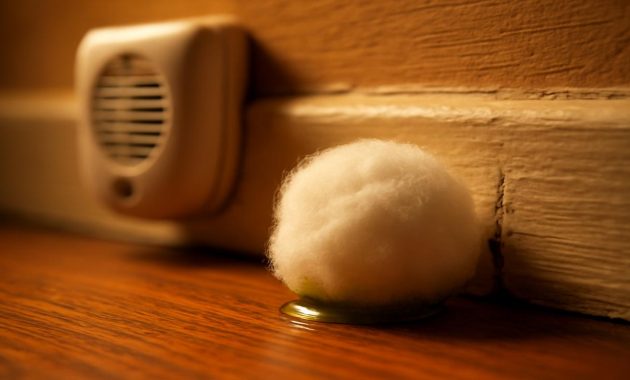
- Soak cotton balls generously. They should be damp with oil, not just kissed by it. Place them in small dishes or on wax paper to protect surfaces.
- Focus on chokepoints: Along baseboards, in corners of closets, around suspected entry points, behind the stove and fridge, and inside cabinets where plumbing enters.
- Refresh weekly. The smell that makes you feel like you’re in a candy shop fades faster for a mouse constantly sniffing its surroundings.
The goal isn’t to turn your home into a peppermint-scented fog. It’s to lay down concentrated “do not enter” zones where a mouse might hesitate long enough to decide your house isn’t worth the trouble.
When Scent Meets Hunger: Making Your Home Boring to a Mouse
Even the sharpest smell has competition: hunger. A starving mouse will brave a lot of unpleasant experiences in exchange for food. That means your peppermint strategy works best when your house doesn’t feel like a restaurant with free seating.
Imagine your kitchen from a mouse’s perspective at 2 a.m. The hum of the fridge is white noise. The house is still. That one corner beneath the toaster, where crumbs collect? A feast. The bag of birdseed left half-open in the mudroom? A winter jackpot.
You don’t have to turn into an obsessive cleaner; you just have to close down the buffet:
- Store food in airtight containers. Think glass jars, metal tins, or thick plastic with tight lids—not just rolled-down bags.
- Move pet food off the floor overnight. Cats and dogs might not mind sharing, but mice absolutely do.
- Wipe counters at night. Especially the corners where crumbs roll and stay forgotten.
- Vacuum or sweep more often in winter. Focus on under the table, around the stove, and under low-hanging cabinets.
- Secure dry goods in storage areas. Birdseed, grass seed, flour, rice, and pet food in the garage or basement are mouse magnets.
Outdoors, the same logic applies. Your trash cans, compost bin, and even the bird feeder can create a halo of attraction. Use secure lids, avoid letting trash overflow, and keep bags off the bare ground. You don’t want to roll out a welcome mat for mice and then hope a minty smell is enough to change their minds.
Layering Nature Against Nature: Other Scents and Signs Mice Avoid
Peppermint is the headline act, but it’s not alone on the stage. Mice are prey animals; their lives are a constant negotiation with fear. Their whiskers, ears, and noses are tuned for danger.
Beyond peppermint, many people swear by other smells and signals, with varying degrees of evidence:
- Other essential oils: Spearmint, eucalyptus, and clove also have strong, volatile compounds that may bother mice. Some homeowners mix a few drops of clove or eucalyptus into their peppermint cotton balls for a deeper, spicier scent profile.
- Predator cues: The presence of a cat can change rodent behavior. Even used cat litter, when carefully sealed and placed well outside, is sometimes used as a “predator present” indicator in outbuildings—though this isn’t something most people want near their homes.
- Noise and vibration: Ultrasonic devices claim to drive rodents away with high-frequency sound. Some users report success, others none at all. At best, they’re a supplement—not your primary plan.
But here’s the important thing: mice are adaptable. Rely on one trick alone, and they may simply learn to ignore it. Layers are what change the story. A sealed house, food tucked away, a clean kitchen, and peppermint-soaked sentinels standing guard at each vulnerable spot—that’s a narrative a mouse doesn’t want to join.
The Slow, Satisfying Silence of a Mouse-Free Home
There’s a particular kind of quiet that settles into a house once you’ve chased out uninvited guests and barred the doors. It’s more than the absence of noise; it’s the absence of nagging suspicion. No more tiny scratches suddenly erupting in the wall when you turn off the bathroom light. No more quick, guilty movement at the corner of your vision in the laundry room.
The first winter after you commit to sealing, cleaning, and scenting, you might still listen for them. Old habits. But then weeks pass, then months. Pantry shelves stay clean. The midnight kitchen feels peacefully empty. Your home reverts to its intended population: you, the people you love, and perhaps the pets that actually pay rent with purrs and wagging tails.
Outside, the snow piles up along the foundation. Somewhere beyond the glow of your windows, mice find shelter in brush piles, wood stacks, old sheds, or the half-forgotten corners of neighboring fields. They will still survive the winter—just not in your pantry or inside your walls.
You’ll catch a faint trace of peppermint now and then as you open a cabinet or step into the basement: cool, clean, and slightly wild. A reminder of a truce you negotiated with the natural world—not by poisoning or burning it back, but by speaking in a language animals understand instinctively. Smell. Safety. Danger. Not here.
Your house, after all, is part of nature, too. It just doesn’t have to be everyone’s winter refuge.
FAQs: Using Smell to Keep Mice Out This Winter
Does peppermint oil really work to repel mice?
Peppermint oil can help repel mice when it’s used correctly and combined with other strategies. Its strong scent overwhelms their sensitive noses and can make an area feel unsafe or uncomfortable. On its own, though, it’s rarely enough—you also need to seal entry points and remove food sources for lasting results.
How often should I replace peppermint cotton balls or sachets?
Plan to refresh cotton balls soaked with peppermint oil about once a week, or sooner if you notice the scent fading. In high-traffic or drafty areas, the smell dissipates faster, so a mid-week top-up can help maintain intensity.
Is peppermint oil safe to use around pets and children?
Peppermint oil is strong and should be used with care. Keep soaked cotton balls out of reach of children and pets, and avoid placing them where curious noses or mouths can reach. Do not apply peppermint oil directly to pets, and avoid heavy use in small, unventilated spaces where the smell might become overwhelming for people, too.
Can I just use peppermint-scented cleaners or candles?
Most peppermint-scented cleaners, soaps, or candles are too weak and too diluted to bother mice. You need the concentrated essential oil form, strategically placed where mice might enter or travel. Scented products made for humans are primarily for our enjoyment, not rodent control.
Where are the best places to put peppermint oil in my home?
Focus on places mice are likely to enter or travel: under sinks, behind appliances, along baseboards in dark corners, around holes where pipes or wires enter, at the edges of garages and basements, and in pantry corners. Think like a mouse: small, dark, quiet, and near food or water.
Will peppermint oil get rid of mice I already have inside?
Peppermint is better at discouraging new arrivals than evicting long-term residents. If mice are already nesting inside, you may need traps or professional help to remove them safely and thoroughly. After that, peppermint oil, sealing, and cleaning can help prevent new infestations.
When should I start using peppermint to prepare for winter?
Begin in early fall, before the first hard frost, when mice are starting to search for winter shelter. Seal gaps, tighten up food storage, and place peppermint deterrents ahead of time. By the time winter fully arrives, your home will already be sending a clear, consistent message: this is not a safe or comfortable place for mice to spend the season.