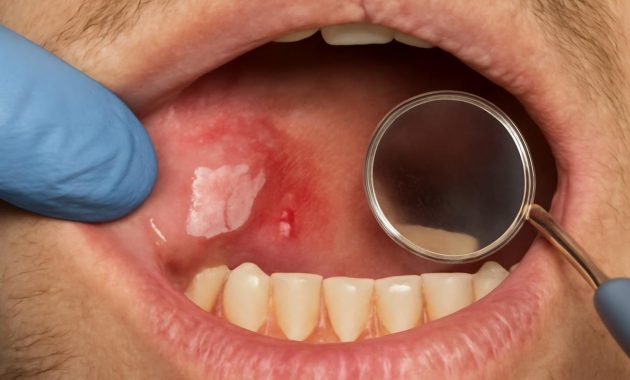
The first time I heard the phrase “moderate drinking,” it sounded harmless, almost wholesome. A glass of wine with dinner, a cold beer by the river at sunset, a smooth amber pour of whiskey that warms your throat on a winter night. It felt woven into the texture of adult life, like paying bills and complaining about traffic. Nobody warned me that this small ritual—a single drink, every evening—might one day be compared to slow erosion, quietly reshaping the landscape of my cells.
The Quiet Sip That Echoes
Picture yourself at a backyard gathering as dusk settles over the trees. The air carries that soft, smoky smell of grilled vegetables and charred corn. Conversations drift like low birds between clusters of people. In your hand, a glass sweats with condensation. You’re not drunk. You’re not even buzzed. Just… pleasantly softened at the edges.
The drink feels like punctuation at the end of a long day. One sip, then another. A gentle glow in your chest. You rarely drink more than this. Friends tease you for being “responsible,” the one who always stops at one. Somewhere in the background, music hums, cicadas rasp in the high branches, and you feel like you’ve struck the perfect balance: a life that’s careful, but not rigid; fun, but not reckless.
For years, the idea that this single daily drink could be dangerous barely existed in the public imagination. Heavy drinking, yes—that came with warnings. Liver disease, car accidents, addiction. But one drink? That was practically recommended in some circles. A glass of red for your heart. A little nightcap for sleep. A beer to “take the edge off.”
Yet here we are, with growing evidence that even this small habit—this lone, faithful drink—may quietly increase the risk of cancers that begin where that liquid first touches us: the mouth, the tongue, the throat. It doesn’t crash into our lives with drama. It slips in with each clink of glass, each easy toast, each slow, savoring swallow.
The Path of a Single Drink
The story of how alcohol affects the mouth doesn’t begin in the stomach. It starts the second that first sip glides across your lips.
The inside of your mouth is a living forest of cells. They renew constantly, sloughing off and regenerating in a quiet choreography you never see. Saliva washes over them, carrying enzymes, defenses, messages. When alcohol appears in this world, it seems, at first, like a brief visitor. A moment of wetness, then gone, swallowed down.
But alcohol is not a passive guest. Once ethanol—the type of alcohol we drink—enters your body, it begins a chemical journey. Enzymes start breaking it down into acetaldehyde, a compound that is directly carcinogenic. Even the bacteria that live in your mouth can help create acetaldehyde.
Think of acetaldehyde as a kind of molecular vandal. It can damage DNA, the intricate blueprint inside your cells, and interfere with how cells repair themselves. Over time, with enough tiny insults, mistakes slip through. A cell loses its way. It begins to grow when it shouldn’t, divide when it should rest, ignore the body’s quiet rules of order. That’s the beginning of cancer.
Now, the dose matters—drinking more usually means more risk. But what researchers have been untangling over the past decade is how even low levels of alcohol, including what most people think of as “just one drink,” can tilt the odds toward certain cancers, including cancers of the mouth.
The Myth of a “Safe” Daily Drink
For a long time, the idea of a safe threshold—some magic number of drinks per day that carried no real danger—comforted us. The story went like this: heavy drinking is bad, but a small amount might even be good for your heart. The wine industry leaned hard into that narrative. So did we, eager for permission.
But as studies accumulated, public health agencies began adjusting their stance. The message shifted from “a little might be healthy” to something far less cozy: no amount of alcohol is truly risk-free when it comes to cancer.
That includes mouth cancer—tumors that can grow on the gums, the tongue, the inner cheeks, the roof or floor of the mouth. These are not distant, hidden cancers. They arrive where we speak, taste, kiss, eat, and breathe.
What alarms researchers is that even people who drink lightly—around one drink per day—can still show a measurable increase in mouth and upper aerodigestive tract cancers compared with those who don’t drink at all. The risk is not as high as in heavy drinkers, but it is not zero. It’s like adding a few extra straws to the camel’s back every day. The weight may be small, but it is steady.
When “Moderate” Turns into a Mask
Walk into any cozy wine bar on a Friday evening and you can feel the glow of social permission. Candlelight, murmur of conversation, a line of glasses catching the light like small suns. “I only have one a day,” someone says, swirling deep red in a bowl-shaped glass. “It’s actually good for you, you know.”
Moderation sounds responsible. It sounds scientific. It becomes a kind of mask we wear to reassure ourselves that we are not the problem, that danger belongs to “those people”—the heavy drinkers, the reckless, the out of control.
But nature doesn’t recognize our social categories. Cells don’t care whether you drink alone or at a wedding, from a crystal glass or a chipped mug. What matters to them is exposure: how often, how much, how long.
Even a single drink per day means chronic, repeated exposure. Day after day, year after year, that gentle burn on the tongue, that warm slide down the throat, is part of your body’s routine. The DNA damage isn’t dramatic. It doesn’t feel like anything at all. But over time, those small, invisible hits can accumulate.
It helps to think of it like sunlight. One bright, hot day at the beach without sunscreen can burn you, sure. But so can a hundred soft, mild days with no protection—no peeling skin, no drama, just slow, cumulative damage. Then one day a mole changes, a patch of skin looks strange, and you’re told that something has gone wrong deep in the script your cells follow.
The Subtle Ways Risk Grows
For mouth cancer, light drinking may seem like a small factor, but it rarely exists in isolation. Drinking can interact with other risks like smoking, vaping, or chronic irritation. When alcohol and tobacco meet, for example, their effects don’t just add—they amplify each other.
Cells inside the mouth are constantly exposed to micro-injuries: a sharp chip in a tooth, a rough denture, a habit of biting the inner cheek. In most people, these injuries heal swiftly. But in an environment where alcohol regularly bathes those tissues, healing may be less efficient, DNA repairs less perfect. The stage becomes slightly more favorable for malignant change.
The same drink that feels like a small luxury at the end of the day can, at the cellular level, become one more nudge toward a future no one wants. The risk for any single person may be modest, but across millions of people, those “modest” risks translate into very real numbers of cancers that might not have appeared otherwise.
What the Numbers Whisper
Statistics rarely move us the way stories do, but they draw the outline around our personal choices. When researchers compare lifelong non-drinkers to people who drink lightly—roughly up to one drink per day—they often find a small but clear increase in cancers of the mouth and throat in the drinkers’ group.
It’s not a guarantee. Risk never is. It’s more like rolling a set of dice slightly more often or adding one more ticket to a lottery you never meant to enter. The lottery, in this case, is mouth cancer, and the prize is something no one wants: surgery, radiation, speech changes, altered taste, scars both visible and hidden.
To give a sense of this in simple terms, imagine two parallel lives:
| Lifestyle Pattern | Approximate Mouth Cancer Risk* | What It Feels Like Day-to-Day |
|---|---|---|
| No alcohol, non-smoker | Lowest baseline risk | No daily alcohol rituals |
| About 1 drink most days, non-smoker | Risk modestly higher than baseline | Feels “moderate” and socially normal |
| 1–2 drinks daily + smoking | Risk several times higher than baseline | Still may not feel “heavy” to the person |
*These are simplified patterns, not exact predictions. Individual risk also depends on genetics, environment, and other health factors.
The key point is not that one drink guarantees harm. It’s that the idea of it being completely “safe” or “protective” is dissolving under the weight of evidence. And when we’re talking about a cancer that lives where we taste strawberries, whisper secrets, laugh loudly, and sing off-key in the car, even a modest extra risk deserves more of our attention than it usually gets.
Tuning In to the Mouth’s Early Murmurs
Mouth cancers often start quietly. A small white or red patch inside the cheek. A sore that doesn’t heal. A feeling that a tooth doesn’t quite meet the same way. A subtle tightness when you move your tongue.
Many people dismiss these early signs as irritation from a rough edge, a spicy meal, a minor infection. Sometimes they’re right. Often, though, by the time something feels seriously wrong—pain, difficulty swallowing, a visible mass—the cancer has had time to dig its roots deeper.
If you drink regularly, even lightly, becoming familiar with the landscape of your own mouth is an act of self-protection. Running your tongue along your gums, checking the sides and underside of your tongue in a mirror, noticing persistent changes—these can be as important as any annual checkup. Dentists, too, are often the first to spot warning signs, if we let them look closely and if we mention our habits honestly.
Rewriting the Evening Ritual
This is not a simple story of “alcohol is poison, never drink again.” It’s about recalibration—about understanding that the everyday drink is not as benign as we wanted to believe, and then deciding what to do with that knowledge.
For some people, learning that even low-level drinking increases cancer risk is the nudge they need to stop entirely. They discover, sometimes to their surprise, that life after alcohol can feel clearer, steadier, more fully awake. Others choose to cut back, to reserve alcohol for rare occasions instead of daily background noise.
The body responds to these changes. The less often alcohol flows across those delicate mouth tissues, the less frequently cells are bathed in acetaldehyde and oxidative stress. The healing systems you were born with finally get more room to breathe.
And there’s something quietly radical in replacing that evening drink with a different ritual. A mug of herbal tea held in both hands. A walk around the block, tasting the night air instead. Sliced citrus in cold sparkling water, the tiny pops of bubbles like little fireworks on your tongue. A book. A conversation that doesn’t blur at the edges. Sleep that arrives without sedation.
Making Choices in a Culture of Cheers
Choosing to drink less—or not at all—can be hardest not in the body, but in the social world. The questions come quickly: “Are you pregnant?” “Are you on antibiotics?” “Come on, just one!”
It’s striking how deeply we’ve woven alcohol into our rituals of friendship, love, grief, and celebration. To step outside that pattern is to become slightly strange, slightly suspect. Yet every person who quietly makes a different choice widens the path for others.
You don’t owe anyone an explanation beyond your own comfort. “I’m cutting back.” “I’m taking a break.” “It just doesn’t feel worth the health risk anymore.” These are complete thoughts. Over time, they may even open conversations with people who’ve been harboring the same unease.
In the end, the question isn’t whether you’re “allowed” to drink. It’s whether each drink you choose still feels like something you truly want—knowing, now, that the story doesn’t end at a pleasant buzz. It continues deep into the ecosystem of your cells, where every choice leaves some kind of trace.
Listening to What the Body Has Been Saying All Along
Stand outside on a quiet evening and open your mouth to the air. Feel the breeze on your tongue, the coolness under your teeth. This soft, warm cave inside your face is where your voice is born. It’s where you say your child’s name, taste wild berries, start to sing the first note of your favorite song.
When we talk about mouth cancer risk, especially from something as normalized as a daily drink, it’s easy to slip into dry language: exposure levels, percentages, dose-response. But beneath the numbers is a simple, visceral truth. The tissues that make so much of life’s richness possible are vulnerable. Not fragile—they are remarkably resilient—but not invincible, either.
Your body has been in conversation with every sip you’ve ever taken. It has metabolized, repaired, defended, adapted. The science emerging now is less a harsh verdict and more a translation of what the body has always known: that alcohol is not neutral, not in the mouth, not in the throat, not anywhere along its path.
Knowing this doesn’t require guilt about the past. Regret doesn’t heal cells; choices do. What matters is what happens next: tonight, tomorrow, the quiet series of evenings that make up a life.
Perhaps you’ll still choose a drink sometimes, with clear eyes. Perhaps you’ll decide that the sweetness of a risk-reduced future outweighs the sweetness in the glass. Either way, that decision will be better informed than it once was, shaped not by old myths of “healthy” moderation but by a deeper attention to the living terrain inside you.
In a culture that urges us to say cheers before we fully understand what we’re toasting to, there is something quietly powerful about pausing first—listening to the whisper of evidence, the murmur of your own body—and then raising, or lowering, your glass accordingly.
Frequently Asked Questions
Does one drink a day really increase my risk of mouth cancer?
Yes. While the increase in risk from about one drink a day is smaller than from heavy drinking, research shows that even low levels of alcohol use are linked to a higher risk of mouth and other head-and-neck cancers compared with not drinking at all. There is no completely “safe” level of alcohol when it comes to cancer risk.
Is wine safer than beer or spirits for mouth cancer risk?
Not really. The main issue is ethanol itself, which is present in all alcoholic drinks. Your mouth and throat are exposed to alcohol regardless of whether it comes from wine, beer, or spirits. While drinking patterns and serving sizes vary, the cancer risk is tied more to the total amount and frequency of alcohol than the specific type.
If I only drink on weekends, is that better than one drink every day?
Less frequent drinking generally means less overall exposure, which can reduce risk. However, drinking several drinks in one sitting on weekends can carry its own health dangers. From a mouth cancer perspective, both total amount and pattern matter. Cutting down both how much and how often you drink is the most protective choice.
Can stopping drinking now lower my risk, even if I’ve drunk for years?
Yes. The body can gradually reduce its accumulated risk after alcohol use decreases or stops. While past drinking can’t be erased, lowering your intake—or quitting—can help your tissues repair ongoing damage and reduce the chance of future cancers compared with continuing at the same level.
What early signs of mouth cancer should I watch for?
Warning signs can include a sore or ulcer in the mouth that doesn’t heal within two weeks, white or red patches, a lump or thickening in the cheek, difficulty chewing or swallowing, numbness in the tongue or lips, or persistent hoarseness. If you notice changes that don’t go away, especially if you drink or smoke, see a dentist or doctor promptly.
How can I cut back if that one drink feels like a daily habit?
Try replacing the ritual rather than just removing it: switch to non-alcoholic drinks with a similar feel (sparkling water with citrus, herbal teas, alcohol-free beers or wines), change the time or place you usually drink, or set specific “alcohol-free days” each week. Sharing your goal with someone you trust and tracking your progress can also make change feel more manageable.