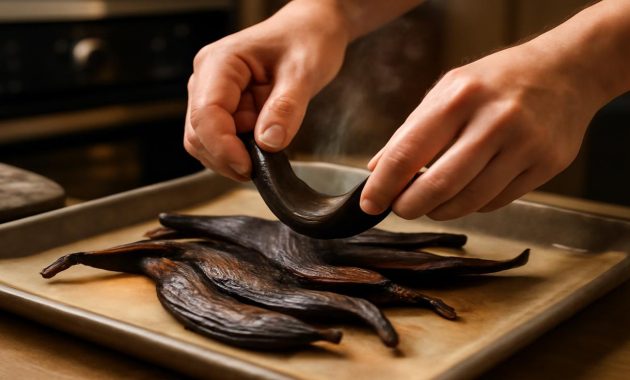
The banana peel sat on the counter like a small, guilty secret—curved, speckled, and destined for the trash. Outside, a breeze shook the last yellow leaves from the maple tree, and in the quiet kitchen you might have heard it: the soft rustle of habits being questioned. Because lately, in kitchens all over the world, people are doing something a little strange with these forgotten skins. They aren’t tossing them. They’re not even composting them. They’re baking them—thirty minutes in the oven—and claiming the problem is solved.
The Strange New Life of a Banana Peel
It usually starts with a moment of hesitation. Your fingers pinch the peel, hovering over the trash can. A tiny pause. Maybe you’ve seen a clip on social media or overheard a friend mention it at brunch: “You know you can bake those, right? Like, actually use them?”
You glance at the peel, as if it might answer back. It still carries that faint, sugary perfume—banana-sweet, a little floral, a little earthy. The inside is silky, the outside cool and slightly waxy to the touch. Not exactly appetizing, not exactly trash. Something in between. A leftover nobody really taught you how to think about.
That’s where this new banana peel trick creeps in. Not as a bold manifesto, not as a strict zero-waste rule, but as a simple, slightly odd experiment: lay the peels on a tray, slide them into the oven, and watch what happens in 30 quiet minutes.
The oven door closes with a soft thud. Warm air billows out, carrying traces of last night’s roasted garlic and this morning’s toast. You set the timer. There’s a sense of low-stakes curiosity, like planting a seed in a jam jar just to see if it sprouts. It’s only a banana peel. It’s only 30 minutes. But it also feels like something bigger—a small rebellion against the casual throwaway culture humming in the background of everyday life.
The 30-Minute Transformation
Here’s where the magic happens, and it’s far less complicated than it sounds. You spread the peels out on a baking sheet—ideally lined with parchment paper—and, if you like, slice them into thinner strips so they cook more evenly. A quick rinse, pat dry, maybe a tiny rub of oil if you’re planning to eat them later. Then into the oven they go: around 180–200°C (350–400°F), for about half an hour.
Slowly, the bright yellow fades to a deep, toasty brown. The peels curl slightly, stiffening as moisture escapes. The kitchen fills with a warm, caramelized smell, faintly fruity, like someone roasted a batch of banana bread without the bread. What was once a limp, slippery strip becomes dry, crisp, and strangely dignified—more like a tea ingredient or a spice than a scrap.
Baking does more than just change the color and texture. It breaks down that slick, fibrous outer layer that made banana peels so unappealing in the first place. The bitterness softens. The weirdness softens with it. After half an hour, the peels no longer scream “garbage.” They whisper something else: “usable.”
Once they’re out of the oven, they cool quickly. When you touch them, they’re light and brittle, like thin pieces of bark. They crumble between your fingers with a small, dry crackle. You’re suddenly holding something that feels valued enough to be stored, used, and maybe even enjoyed.
The Quiet Satisfaction of Saving One More Thing
Baking banana peels might sound like a trend, but at its heart it’s a feeling. The quiet satisfaction of not throwing something away. The soft click of new habits forming. The awareness that your trash can fills a little slower this week than last.
It’s not about perfection. It’s about noticing that each peel carries more than a few millimeters of leftover fruit. It carries potassium, fiber, and trace minerals; it carries stories from cultures that have been using them for generations in teas, chutneys, and stir-fries. This “new” trick is really just a rediscovery, repackaged for a world finally paying attention.
From Trash to Treat: Creative Ways to Use Baked Banana Peels
Once you’ve got this tray of crisp, roasted peels in front of you, the big question looms: now what? The answer is surprisingly flexible, and this is where the fun begins. Because baked banana peels are chameleons. They step quietly into recipes, almost invisible, adding a hint of fruitiness, a nudge of nutrition, or a subtle earthy depth.
Take a look at a few ways people are folding them back into everyday life:
| Use | How to Do It | What It Feels Like |
|---|---|---|
| Tea or Infusion | Crumble a baked peel into a mug, pour hot water, steep 5–10 minutes. | Lightly sweet, earthy, calming—perfect evening ritual. |
| Smoothie Booster | Grind baked peels into powder and blend 1–2 teaspoons into smoothies. | Almost unnoticeable in taste, but adds fiber and micronutrients. |
| Plant Food | Crumble peels into soil or steep them in water to make a mild fertilizer. | Leaves look perkier; your compost bin smells less funky. |
| Seasoning Blend | Pulse baked peels with salt, herbs, or spices for a savory sprinkle. | A gentle, umami-fruity note on roasted veggies or grains. |
| Baking Add-In | Fold finely ground peel into banana bread, muffins, or granola. | Intensifies banana aroma; most people never notice the “secret.” |
Each use tells a slightly different story. Maybe you crumble a baked peel into your garden soil and imagine roots finding those nutrients months from now. Maybe you sip a cup of banana peel tea before bed, its warmth softening the edges of a noisy day. Maybe your kids eat muffins with a touch of peel powder and just say, “These taste extra banana-y.”
The key is that the peel doesn’t have to be spectacular to be worth saving. It just has to be given a chance to shift roles: from leftover to ingredient, from problem to possibility.
Why This One Small Habit Hits So Deep
There’s something oddly emotional about the first time you don’t throw away a banana peel. It’s such a tiny gesture that it almost feels silly to care about. And yet, somewhere between the cutting board and the oven rack, this new habit starts tapping on bigger questions.
How much of what we toss is still quietly useful? How many routines do we follow just because we watched the adults in our lives do it that way? How many small acts of waste add up, silently, across millions of homes?
Bananas are one of the most popular fruits on the planet. That means billions of peels every year—curved yellow commas punctuating the story of global food consumption. Some end up in landfills, slowly decomposing and releasing methane. Some become compost, nourishing soil. But many still sit in trash bags, buried with plastics and packaging, their potential sealed away.
By baking and reusing even a few of those peels, you’re nudging the narrative in a different direction. Not heroics. Not perfection. Just a quiet vote for another way of seeing things. A way that asks, gently, “Are you sure this is worthless?”
The Sensory Shift: How Your Kitchen Starts to Feel Different
Over time, your kitchen changes character. That bowl on the counter—the one that used to catch onion skins and strawberry tops—becomes a sort of holding pen for maybes rather than trash. Maybe those carrot peels will turn into stock. Maybe those citrus peels will be candied or zested. Maybe those bananas, once stripped, will see one more chapter.
The sounds shift, too. Instead of the wet slap of scraps in the bin, you hear the soft clatter of peels on a dry sheet pan. The oven door opening and closing. The rattle of a jar lid as you scoop ground peel into your morning smoothie. The kitchen becomes less a place of disposal and more a place of transformation.
Even your sense of time changes. Thirty minutes used to be just how long it took to watch an episode, scroll a feed, or boil pasta. Now it’s also the time it takes to rewrite a banana peel’s fate. You might forget about them some days, of course. Habits don’t arrive fully formed. But every time you remember and slide those peels into the oven, you feel a little click inside, the sound of something lining up with your values.
The Problem It Solves (And the Ones It Just Illuminates)
So when people say, “Just bake them for 30 minutes and the problem is solved,” what problem are they really talking about? It’s not just the smear of banana peel in the bottom of your trash bag. It’s the discomfort of waste itself—especially the kind that seems unnecessary once you really look at it.
This trick tackles a few things at once:
- Food Waste: It gives you a use for something that usually goes straight into the bin.
- Landfill Load: Every peel that doesn’t head to the landfill is one small slice off the mountain.
- Mindset: It gently rewires how you think about “edible” and “inedible,” “trash” and “resource.”
Of course, banana peels alone won’t fix the global food system. They won’t undo the emissions of ships and trucks hauling fruit across oceans. They won’t rebuild soil health overnight or erase supermarket plastic. But they do something else quietly powerful: they bring the scale of the problem down to the size of your own hands.
You peel. You pause. You choose. You bake.
And in that small act is a kind of rehearsal for bigger ones. If you can question the destiny of a banana peel, what else can you reconsider? Leftovers. Clothing. Packaging. The way your home holds and releases the things you bring into it.
The Ripple Effect You Don’t Quite See
Habits travel. You might mention your baked banana peels to a friend in passing, while rinsing mugs after coffee. You might post a quick photo of your tray of crisp, curling skins. Someone else sees it, pauses over their own trash can later that week, and decides to try it.
In shared kitchens and tiny apartments, in suburban homes with backyard gardens, in city flats with windowsill herbs, the same little ritual repeats. Oven preheats. Timer beeps. The smell of toasted banana edges into the air.
Not everyone will stick with it. Some will try it once, wrinkle their nose, and move on. That’s okay. The point isn’t perfect participation; it’s the widening of possibility. The simple idea that the story of an object doesn’t always end where we were taught.
A Simple Ritual You Can Start Today
There’s something grounding about having a ritual that’s this simple, this tangible, and this connected to your everyday life. No special equipment. No complicated recipes. No lecture. Just you, an oven, and a peel that used to spell “end” now inching a little closer to “and.”
Here’s a gentle way to fold it into your routine:
- Collect the Peels: After you eat your bananas, set the peels aside in a bowl instead of tossing them. Rinse if they’re sticky.
- Preheat the Oven: Aim for about 180–200°C (350–400°F).
- Prepare the Peels: Pat them dry, slice into strips if you like, and lay them flat on a lined baking sheet.
- Bake for 30 Minutes: Turn them once halfway if they’re thick. You’re looking for deep brown and crisp, not burned.
- Cool and Store: Let them cool, then crumble or grind and store in a clean, dry jar.
From there, you can let curiosity lead. One day you might sprinkle a pinch into granola, the next you might feed it to your plants. No one’s grading you. The act itself is the point: looking at something familiar and allowing it to surprise you.
In a noisy, fast-scrolling world, that might be the most radical effect of this banana peel trick. It slows you down just long enough to wonder. To question. To notice the small ways you can live a little more in tune with what you say you care about.
The peel is still curved and humble, still a slip of skin around a quick snack. But after thirty minutes in the oven, it carries a quiet new weight. Not just as fiber or fertilizer or flavor—but as a reminder that even our smallest habits can be rewritten, one tray at a time.
Frequently Asked Questions About Baking Banana Peels
Is it really safe to eat banana peels?
Yes, banana peels are generally safe to eat when properly washed and cooked. Baking them helps soften their texture and reduce bitterness. If possible, choose bananas that are organically grown or thoroughly wash conventionally grown fruit to remove any surface residues.
Do baked banana peels actually taste good?
On their own, baked peels have a mild, slightly earthy, faintly fruity flavor. They’re not usually eaten like chips; they’re better as an add-in—ground into smoothies, baked goods, or teas—where their taste is subtle rather than dominant.
How long can I store baked banana peels?
Once fully dried and cooled, baked banana peels can be stored in an airtight container for several weeks in a cool, dry place. Make sure there is no remaining moisture, or they may soften and spoil.
Can I use green or very ripe banana peels?
You can, but the experience will differ. Green peels tend to be firmer and more bitter, while very ripe peels are softer and sweeter. Many people find peels from yellow, just-ripe bananas to be the best balance for baking and later use.
Is baking peels better than composting them?
They’re different solutions. Baking and reusing peels extracts more value before they return to the earth, especially if you eat them or feed them to plants. Composting is still a great option, and you can absolutely compost peels after you’ve brewed them into tea or used them as a mild fertilizer.