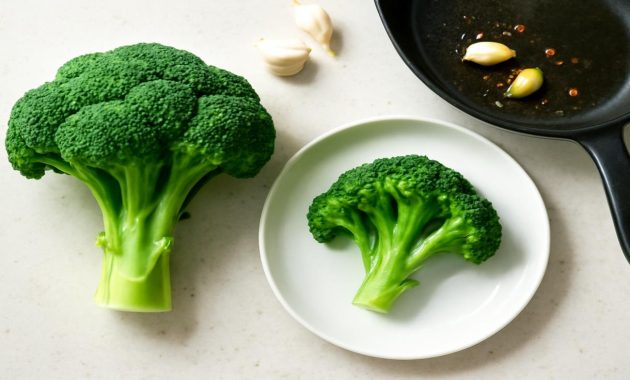
The broccoli on Lena’s cutting board was the good kind—tight emerald florets, pale firm stalks, beads of water still clinging from the rinse. It smelled faintly like fresh-cut grass and pepper. She’d bought it on a whim, picturing some virtuous, nutrient-packed dinner that would make her feel as if every cell in her body were quietly cheering. Now it sat there, accusingly, while a pot of water boiled on the stove, steam already ghosting against the kitchen tiles.
“I’ll just steam it,” she muttered, defaulting to the same method she’d always been told was “healthiest.” Pot, basket, lid. Done. But as she reached for the steamer insert, her podcast host said something that made her pause: “If you’re still steaming your broccoli, you might be losing more nutrients than you think.” Her hand stopped mid-air.
Wait. Steaming was supposed to be the good guy, the elegant middle ground between raw rabbit food and waterlogged mush. Could it be that even this fail-safe method wasn’t quite as saintly as its reputation?
Why Steaming Isn’t the Nutrient Hero We Thought
For years, steaming wore the crown: the kinder, gentler cousin of boiling. No drowning in water, no savage blistering heat from a pan; just soft clouds drifting upward, caressing your vegetables into tenderness. It felt like the cooking version of a spa day.
But the thing about broccoli is that it’s finicky—in the best possible way. The same compounds that give it that slight bitterness and unmistakable cruciferous aroma are also the ones you’re usually chasing for health: sulforaphane, glucosinolates, vitamin C, folate, a spread of B vitamins, plus fiber, potassium, and more. Broccoli’s got layers, like a forest growing inside a single floret.
Here’s the twist: those gifts are incredibly sensitive. Heat changes them, water leaches them away, and time—left on the stove or in a hot pan—can quietly unravel them. Steaming is better than boiling, yes. But it’s still easy to overdo. Over-steam your broccoli, and you’ll recognize the crime scene: the color shifts from vivid green to muted olive, the scent turns cabbagey, the texture slumps into limp submission. That transformation isn’t just about looks or taste; it’s a visual clue that some nutrients are slipping away.
What we’re really hunting for is that sweet spot: just enough heat to wake up flavor and soften the crunch—but not so much that the broccoli’s best qualities evaporate with the steam.
The Real MVP: Quick, Hot, and Minimal Water
The best way to keep broccoli’s nutrient power while still making it delicious is to think in three words: quick, hot, minimal. Quick cooking. High or medium-high heat. As little water as possible.
When you give broccoli a short, intense burst of heat, you’re doing something magical: breaking open its plant cells just enough to unlock flavors and make it easier to chew and digest, while preserving more of its vitamin C and those precious sulfur-based compounds. It’s like turning the volume up without blowing out the speakers.
That’s where two methods really shine:
- Light stir-frying (or sautéing) with a splash of water
- Quick pan-steaming with very little water and a lid
Both keep broccoli out of long baths in boiling water. Both are done in minutes. And both lean into something that matters more than we often admit: flavor. Because a recipe can be textbook “healthy,” but if it tastes like a pale memory of vegetables, it’s not going to make it into your weeknight rotation.
Light stir-frying in particular is a quiet hero: you get the sear, the slight char, the glossy finish from a bit of oil (which even helps with absorption of some fat-soluble nutrients), and you still keep the texture snappy and alive. Pan-steaming, on the other hand, keeps things ultra-clean and gentle, but avoids the prolonged heat of classic steaming sessions.
How to Nail Perfect Nutrient-Friendly Broccoli Every Time
Imagine this: you’re standing at the stove, a skillet heating, the faint scent of olive oil just beginning to waft up. On the counter, your broccoli is cut into little trees, stems trimmed and peeled into matchsticks so nothing goes to waste. This is where it all comes together—the kitchen version of a tiny ritual.
Here’s the simple blueprint for keeping broccoli vibrant, crisp-tender, and nutrient-respecting, whether you’re stir-frying or quick-steaming:
- Cut small and even: Aim for bite-size florets and thinly sliced stems. Smaller pieces cook faster—less time on the heat, more nutrients preserved.
- Use just enough water: A splash or two is usually enough to create steam in a covered skillet. No deep pools needed.
- Cook briefly: Think 3–5 minutes, not 10–15. Stop when the color is bright and the fork meets just a bit of resistance.
- Season while hot: A pinch of salt, a squeeze of lemon, a drizzle of olive oil—these cling better when the broccoli is still steaming.
- Avoid letting it sit: Once cooked, don’t leave it covered over residual heat. That trapped steam keeps cooking it, and not in a good way.
The goal isn’t perfection; it’s consistency. That moment right before the broccoli turns mushy—that’s your finish line.
Quick Comparison of Broccoli Cooking Methods
Here’s a simple look at how common methods stack up in your kitchen reality—not a lab, just your stove and your weeknight energy.
| Method | Time | Water Used | Texture & Flavor | Nutrient Friendliness* |
|---|---|---|---|---|
| Boiling | 5–8 min | High | Soft, can get mushy | Low–Medium |
| Traditional Steaming | 6–10 min | Medium | Soft to medium-firm | Medium (drops if overcooked) |
| Microwaving with little water | 3–4 min | Low | Crisp-tender if watched | Medium–High |
| Quick Stir-Fry / Sauté | 4–6 min | Very Low | Crisp-tender, flavorful, lightly charred | High |
| Quick Pan-Steam (with lid) | 3–5 min | Very Low | Tender but bright and juicy | High |
*Nutrient friendliness here is a general guide, especially for vitamin C and sensitive plant compounds. Exact values depend on time and temperature.
Recipe 1: Lemon-Garlic Skillet Broccoli You’ll Eat Straight from the Pan
The pan is already hot when you drop the broccoli in. It hits with a faint hiss, that first whisper of transformation. A cloud of steam rises as you add a splash of water, and the kitchen fills with the sharp, green scent of cruciferous life waking up.
This simple stir-fry-style recipe keeps the broccoli bright and springy, and it leans on big, clean flavors—lemon, garlic, a hint of heat—to make it feel like something you’d happily order in a café, not just dutifully choke down “for your health.”
Ingredients (2–3 servings)
- 1 large head of broccoli (about 350–400 g)
- 1–2 tablespoons extra virgin olive oil
- 2 cloves garlic, thinly sliced
- 2–3 tablespoons water
- 1/2 teaspoon fine sea salt (to taste)
- Freshly ground black pepper
- 1/2 lemon (juice and a little zest, if you like)
- Optional: pinch of chili flakes, grated Parmesan, or toasted nuts
Method
- Prep the broccoli: Cut off the florets into bite-size pieces. Trim the stalk, peel the outer tough layer, and slice the core into thin half-moons or matchsticks. This way, you use the whole vegetable—and the stems stay pleasantly tender with a faint sweetness.
- Heat the pan: Place a large skillet over medium-high heat. Add the olive oil and let it warm until it shimmers but isn’t smoking.
- Garlic first, but briefly: Add the sliced garlic and stir for about 20–30 seconds, just until fragrant. You’re waking it up, not browning it deeply.
- Broccoli hits the pan: Add the florets and stems, tossing so they get a kiss of garlicky oil. Let them sit for about 30 seconds to get a bit of contact with the hot pan.
- Add water and cover: Pour in 2 tablespoons of water and immediately cover with a lid. Let the broccoli steam in its own little sauna for about 2 minutes.
- Check and finish: Remove the lid. The color should be vibrant green. Toss, taste a piece. If it’s too firm, cook another 1–2 minutes, stirring occasionally, but don’t walk away. Add salt, pepper, and chili flakes if using.
- Brighten it up: Turn off the heat. Squeeze over the lemon juice, add zest if you want a more intense citrus note, and toss again. If you’re going for Parmesan or toasted nuts, now’s the time to sprinkle them on.
Eat it hot, straight from the pan if you must. This broccoli is all snap and shine—alive, but just tamed enough to be deeply satisfying. You can pile it next to fish or chicken, fold it into cooked grains, or spoon it over hummus with crusty bread.
Recipe 2: One-Pan Pan-Steamed Broccoli with Tahini Drizzle
If stir-fried broccoli feels like a lively conversation, this dish is more like a quietly confident friend. It’s gentle but strong, simple but unexpectedly layered. The broccoli is pan-steamed just until tender, then cloaked in a creamy, lemony tahini sauce that clings to every floret like velvet.
Ingredients (2–3 servings)
For the broccoli:
- 1 head broccoli
- 1 tablespoon olive oil (or avocado oil)
- 3–4 tablespoons water
- Salt to taste
For the tahini drizzle:
- 2 tablespoons tahini
- 1 tablespoon lemon juice
- 1–2 tablespoons warm water (to thin)
- 1 small clove garlic, finely grated or mashed
- Pinch of salt
- Optional: a touch of honey or maple syrup if you like a hint of sweetness
Method
- Prep the broccoli: Just like before, cut the florets small and slice the stems thin. Keep everything about the same size for even cooking.
- Start the pan: Add the oil to a wide skillet over medium heat. When warm, add the broccoli, stirring so everything glistens lightly in oil.
- Add water and cover: Pour in 3 tablespoons of water and immediately cover with a lid. Let the broccoli steam for 3 minutes without lifting the lid.
- Check doneness: Uncover and test a stem with the tip of a knife or fork. It should be tender but still with a bit of bite. If it’s too crunchy, cover again for another 1–2 minutes, adding a splash more water if needed.
- Season: Sprinkle with salt and toss. Remove from heat so it doesn’t keep cooking.
- Make the drizzle: In a small bowl, stir together tahini, lemon juice, grated garlic, salt, and 1 tablespoon warm water. It may thicken at first; keep adding water a teaspoon at a time, stirring, until it becomes a pourable, silky sauce.
- Serve: Arrange the warm broccoli on a plate and spoon the tahini drizzle over the top. The sauce will seep into the little crevices of the florets, turning each bite into something both comforting and bright.
This is the kind of broccoli that feels at home over a bed of quinoa, tucked into a grain bowl, or served alongside roasted sweet potatoes. Leftovers are good cold, too—the tahini soaks in, the flavors mellow, and suddenly you have tomorrow’s lunch without trying.
Little Tweaks That Make Your Broccoli Even More Powerful
Beyond how you cook it, there are a few small shifts that can quietly nudge your broccoli from “pretty good” to “deeply nourishing.” They’re not rules, more like gentle suggestions from someone who’s spent a lot of time paying attention to what happens in the pan—and on the plate.
- Chop and wait: When you cut broccoli, enzymes start activating the very compounds you’re hoping to get. If you can, chop it and let it rest for 30 minutes before cooking. It’s a tiny patience practice with a big payoff.
- Don’t skip the stalks: The stems are sweet, tender when sliced thin, and full of nutrients. Peel if the outer layer feels tough, but don’t toss them.
- Use a bit of healthy fat: Olive oil, avocado oil, or even a spoon of nut butter in a sauce can help your body absorb certain vitamins more efficiently.
- Pair with acidity: Lemon juice, vinegar, or yogurt brightens flavor and can help you use less salt, making the dish feel lighter but more “awake.”
- Cook it just to bright green: Watch the color. The moment it deepens into vibrant jade and turns tender is your cue to stop. Past that point, both flavor and nutrients start quietly slipping away.
There’s something quietly empowering about learning how to coax the best out of such a humble, everyday vegetable. The next time you stand in your kitchen, broccoli on the board, you might feel it too—the sense that you’re not just throwing something together because you “should,” but crafting a small, green act of care.
FAQs About Cooking Broccoli and Keeping Nutrients
Is raw broccoli healthier than cooked?
Raw broccoli does keep some heat-sensitive nutrients intact, and certain compounds like sulforaphane can be especially high when it’s raw or only lightly cooked. But raw isn’t automatically “better.” Light cooking—like quick stir-frying or pan-steaming—can make broccoli easier to digest and more enjoyable to eat, which matters if you actually want to eat it often.
Is steaming really that bad for broccoli?
Steaming isn’t “bad.” It’s still better than boiling in lots of water. The issue is over-steaming. Long steaming times can dull both flavor and color and reduce some heat-sensitive nutrients. If you prefer steaming, keep the pieces small and the time short—usually around 4–5 minutes—until just crisp-tender.
What about microwaving—does it destroy nutrients?
Microwaving with a little water and a short cook time can actually be quite nutrient-friendly. Because it’s fast and uses minimal water, more vitamins are preserved compared to boiling. The key is not to overcook: start with 2–3 minutes, check, then add time in short bursts.
Can I cook broccoli ahead of time and reheat it?
You can, but each reheating adds more heat exposure, which can gradually chip away at some nutrients and turn the texture softer. If you’re prepping ahead, slightly undercook the broccoli so it finishes coming to perfect texture when reheated gently (for example, quickly in a hot pan or a brief microwave re-warm).
How do I know when broccoli is perfectly cooked?
Look for bright, vivid green florets and stems that are tender when pierced with a fork but still have a bit of resistance. The smell should be fresh and slightly sweet, not strongly sulfurous or cabbage-like. If it’s olive-colored and slumping, it’s gone too far.
Do frozen broccoli and fresh broccoli cook differently?
Frozen broccoli is usually blanched before freezing, so it’s partially cooked. That means it needs less time in the pan or microwave. Cook it from frozen over medium-high heat and watch closely; you’re mostly reheating and finishing the texture, not starting from raw.
How often should I eat broccoli to get the benefits?
There’s no magic number, but working broccoli or other cruciferous vegetables (like cauliflower, kale, or Brussels sprouts) into your meals a few times a week is a realistic and helpful rhythm. The “best” broccoli is the one you enjoy enough to come back to—bright, flavorful, and cooked just long enough to keep what makes it special.
Originally posted 2026-03-05 00:00:00.