The coffee machine gives a soft sigh, followed by that familiar hiss and gurgle, and suddenly the whole kitchen smells like morning. It’s early, you’re barefoot on cool tiles, and the world hasn’t quite decided what kind of day it wants to be. You wrap your hands around a warm mug, lift it to your lips, and—there it is. That first, small jolt of clarity. The room seems to sharpen at the edges. The to‑do list that felt heavy a moment ago now feels simply… possible.
For most of us, caffeine is just that: a ritual, a helper, the invisible hand that nudges our brains into gear. But in quiet labs around the world, scientists are beginning to see caffeine not merely as a morning pick‑me‑up, but as something stranger and more powerful: a kind of molecular on‑switch that might one day help treat disease. The same molecule that lives in your chipped office mug is being reimagined as a tool to flip genes on and off, steer immune cells like tiny guided missiles, and even fine‑tune drugs inside the body in real time.
This is the story of how a familiar, slightly bitter liquid is turning into one of the most intriguing control knobs in modern biology.
Caffeine, Reimagined: From Kitchen Counter to Lab Bench
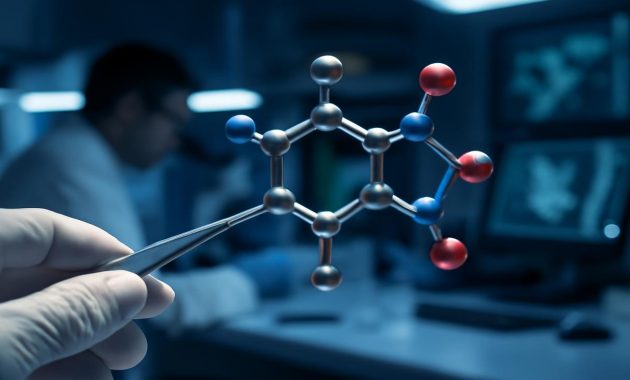
The first thing you learn when you start digging into caffeine is how astonishingly small it is. On a molecular level, it’s a compact lattice of carbon, hydrogen, nitrogen, and oxygen—just 24 atoms arranged in a particular pattern. Yet that little pattern slides past the blood‑brain barrier, nestles into receptors meant for another molecule entirely—adenosine—and quietly changes how awake you feel.
In your brain, adenosine is like a gentle hand on the dimmer switch. As it builds up over the day, it tells your neurons: “Slow down. Rest. You’ve done enough.” Caffeine, charming impostor that it is, slips into those same receptors and blocks adenosine from doing its job. The result: neurons keep firing freely, and your sense of fatigue gets pushed back.
To most of us, that’s where the story ends. But for bioengineers, that basic trick—a tiny molecule docking into a protein like a key in a lock—is the starting gun. If caffeine can reliably and safely bind to certain proteins, why not build new proteins that respond to caffeine on purpose? Why not design biological switches that flip when caffeine is present—and only when it’s present?
Imagine genes that stay silent until you sip a latte. Immune cells that hover in a kind of standby mode until given a precise shot of caffeine. Drug systems that activate only when the right amount of this everyday molecule is swimming through your blood. Instead of being just a stimulant, caffeine becomes a language—one the body can learn to interpret.
The Molecular Switch: How Caffeine Flips “On” in Living Cells
In a bright, humming lab, far from the sleepiness of early mornings, researchers have been building these molecular switches almost like children building with blocks. The blocks, in this case, are proteins: one part that can bind caffeine, and another part that carries out a task, such as turning a gene on, glowing under a microscope, or sending a kill‑signal to a rogue cell.
Many of these designs use a clever idea called “dimerization.” Picture two halves of a device that only works when clicked together—like those magnetic clasps on a necklace. On their own, the halves dangle uselessly. But bring in caffeine, and suddenly they snap together. That snap can be translated into action inside the cell.
In some experiments, one half of the engineered protein binds to DNA, sitting and waiting near a target gene. The other half carries a part needed to activate that gene, but it can’t reach. The space between them is like a nanoscopic silence. Then, add caffeine to the mix. Caffeine bridges the two halves, pulling them into alignment. Click. The full protein forms, and the target gene surges to life, churning out whatever the scientists have instructed it to make.
These systems are often designed to be exquisitely specific. They’re tuned so caffeine, and not some random chemical cousin, is what brings the halves together. The same caffeine concentration that might come from a cup of coffee or tea is enough to flip them. To anyone watching the cells under a microscope, it’s like turning on a light switch: one moment, darkness; the next, a glow as fluorescent proteins start to shine.
In the vocabulary of synthetic biology, this is called a “chemogenetic switch”—a signal in chemical form that controls genetically engineered machinery. Caffeine, in this story, is not the star of the show so much as the hand that pulls the curtain up.
Why Caffeine Makes Such a Good Switch
Many small molecules could, in theory, serve as switches. But caffeine comes with a rare combination of advantages that make researchers’ eyes light up:
- Familiar safety profile: Humanity has been drinking caffeine for centuries. We know a lot about what doses are typically safe for healthy adults, what side effects look like, and how fast the body clears it.
- Oral, non‑invasive control: You don’t need an injection or a specialized device. You can simply drink it. That makes the idea of at‑home, patient‑controlled therapies more realistic.
- Predictable pharmacokinetics: Doctors already know how caffeine moves through the body: how quickly it’s absorbed, peaks, and then fades out. That timing becomes part of the “control panel” for any system that responds to it.
- Low cost and global availability: Unlike exotic lab reagents, caffeine is everywhere. It doesn’t require complex cold‑chains or high‑tech infrastructure.
There’s also something psychologically appealing here. Asking patients to manage a therapy using a familiar substance—coffee, tea, maybe a pill with a well‑known name—feels more approachable than asking them to drink something that sounds like it was mixed in a sci‑fi reactor core.
From Switch to Treatment: Taming Immune Cells with a Coffee Cup
One of the most vivid visions for caffeine‑based switches is playing out in the field of immunotherapy. Here, doctors are already learning to reprogram immune cells—especially T‑cells—to hunt down cancer. These are often called CAR‑T cells, short for chimeric antigen receptor T‑cells, and they’re about as close as we currently get to bespoke, living medicines.
But CAR‑T cells can be a little like overenthusiastic guard dogs. Once they’re unleashed, it can be hard to call them back. While they can obliterate tumors, they can also sometimes cause dangerous side effects when they attack too aggressively or target the wrong tissues.
This is where caffeine starts to look less like a household habit and more like a scalpel. Researchers are exploring ways to build caffeine‑sensitive switches into CAR‑T cells, so that their destructive abilities can be dialed up or down from outside the body.
Imagine a patient sitting in a clinic chair, the slow drip of an infusion line feeding reprogrammed T‑cells back into their bloodstream. The cells circulate, find their way to tumors, and then wait. They’ve been engineered not to fully activate until they sense caffeine. The patient might be instructed to drink a precisely measured caffeine drink at certain intervals—or perhaps swallow a carefully dosed capsule. As the caffeine level rises in the blood, the molecular switches inside the T‑cells snap into place. They wake up, sharpen their senses, and attack.
If things look too intense—if inflammation markers spike, if the patient feels unwell—the healthcare team could scale back the caffeine dosing, letting levels fall and bringing those same cells back into a quieter mode. Instead of an all‑or‑nothing therapy, it becomes adjustable, like a dimmer switch instead of a single light bulb chain.
To make this work, everything has to be tuned: how sensitive the switch is to caffeine, how fast it reacts, how strongly it changes cell behavior. It’s like composing a piece of music where the tempo is controlled by sips of coffee, and the musicians are living immune cells inside a human body.
Other Therapeutic Worlds Opening Up
Immune cells aren’t the only actors in this evolving drama. The idea of caffeine‑controlled switches is being stretched into other corners of medicine:
- Neurological conditions: In theory, neurons could be engineered so that certain protective or stabilizing proteins switch on in response to caffeine, potentially offering new ways to modulate brain states without heavy sedation or constant drug dosing.
- Hormone regulation: Hormone‑producing cells could be made to secrete more or less of a hormone only when instructed by a caffeine pulse, creating a rhythm of control that fits into daily life.
- Regenerative medicine: Cells used to repair damaged tissues might be driven into growth mode with controlled caffeine exposure, then gently eased back to a quiet, stable state.
Now the familiar pattern of daily life—one cup in the morning, maybe another in the afternoon—starts to blur into something else: a deliberate, medical choreography. Breakfast becomes not just a meal but a small act of cellular communication.
Designing Life That Listens to Your Drink
Behind these dreamy scenarios are very real design problems that occupy scientists late into the night. How do you make sure only engineered cells respond to caffeine, and not your entire body in messy, unpredictable ways? After all, natural brain cells already react to caffeine. Your heart does too. Your blood vessels, your sleep cycles—they’re all part of caffeine’s familiar reach.
The trick lies in making the synthetic switches much more sensitive and specific than the body’s general response. In lab experiments, researchers can shape proteins so that the difference between “off” and “on” occurs within a narrow window of caffeine concentration. Below that line, engineered genes stay quiet; above it, they roar to life. The natural jitteriness from a strong espresso might still happen, but the engineered systems are designed to respond more sharply, acting as precise readouts for dosage.
Building these systems requires a blend of disciplines: biochemistry, genetics, computer modeling, even a touch of design thinking. Proteins are tweaked, mutated, and tested. Some versions barely react. Others react to the wrong molecules. Gradually, through iterations, a handful emerge that behave like ideal switches—reliable, reversible, and tightly controlled.
There’s also the matter of time. Caffeine doesn’t just appear and vanish; it follows a curve. It rises as it’s absorbed from the gut, peaks, then slowly declines as the liver works it over. Engineers can set up circuits that respond quickly to those changes, or circuits that require sustained exposure—like a lock that only opens if the key is held in place for several minutes, not just brushed past the door.
A Tiny Control Panel Inside the Cell
To visualize how this works, picture a cell as a tiny, self‑contained workshop. Inside, dozens of assembly lines build proteins, move molecules, and adjust energy flow. A caffeine‑responsive switch is like installing a new control panel on one of those lines. Most of the time, the panel sits inactive—the line is stopped. Pour in caffeine, and the indicator lights flip from red to green. The assembly line rolls; new products—therapeutic proteins, signaling molecules, fluorescence markers—start flowing.
When the caffeine fades, the panel flashes red again. Machinery winds down. Instead of constant drug pressure that can wear a system out or cause side effects, this on‑demand production can be more flexible and potentially safer.
For clinicians, that’s an alluring prospect: a therapy that doesn’t just happen to the body but converses with it. A therapy that listens to the rhythms of a person’s day, to their choices and preferences: another cup, or not today?
Promise, Caution, and the Long Road Ahead
It’s tempting to imagine a near future where your doctor hands you not just a prescription, but a carefully calibrated “coffee plan” to go with it. Morning dose to activate protective genes. Afternoon micro‑dose to guide immune cells. Evening abstinence so your brain can rest.
But between the lab bench and that imagined clinic lies a thicket of hard questions. Many of these systems are still in early research and preclinical stages. While the concept has been compellingly demonstrated in cells and sometimes in animals, translating that to safe, reliable human treatments is another mountain entirely.
There are concerns about variability—people metabolize caffeine at different rates, influenced by genetics, liver health, age, and even pregnancy. Some individuals are highly sensitive to caffeine; others can drink a double espresso before bed and sleep like a stone. Designing a “one size fits all” regimen seems unlikely. Customized dosing, monitoring, and maybe even wearable sensors tracking caffeine levels could become part of the equation.
Then there are the ethical questions. How do you guide people to use a treatment that depends on something also sold in vending machines and corner cafés, no prescription required? What if someone ignores their medical dosing plan and overdoses on caffeine in a misguided attempt to “boost” the therapy? How do we ensure access, fairness, and informed consent when our rituals of daily life become intertwined with high‑precision medicine?
Yet the very ordinariness of caffeine is also what makes this vision so compelling. Instead of inventing a wildly foreign control signal, we are repurposing a small, familiar molecule, folding it into the language of engineered cells. The distance between therapy and daily life begins to shrink—not in a sinister way, but in a way that suggests care could become gentler, more integrated, less alien.
The Familiar Cup, Seen Anew
Next time you watch steam twist upward from a mug, you might picture, just for a moment, the invisible choreography riding in each sip. Molecules dispersing across your tongue, slipping into your bloodstream, crossing into your brain. Receptors nudged. Neurons persuaded. A small brightening of awareness.
And perhaps, some years from now, those same molecules could be carrying instructions to clusters of carefully edited cells—switch on now, quiet down later, protect, repair, remember. The warmth of the mug in your hands would be the same. The taste, the aroma, the soft pause before your first meeting of the day: all familiar. But layered beneath that comfort would be something radically new—a conversation between your choices and your cells, between caffeine and the machinery of life itself.
In that sense, the story of caffeine as a molecular switch is not just about treatment or technology. It’s about reimagining the everyday. It’s about discovering that inside some of our most ordinary habits lies the potential for entirely new forms of healing.
At a Glance: Caffeine as a Molecular Switch
| Aspect | Details |
|---|---|
| Role of Caffeine | Acts as a small, controllable signal that flips engineered molecular switches inside cells. |
| How It Works | Binds to specially designed proteins, bringing their parts together (“dimerization”) and activating genes or cellular functions. |
| Potential Uses | Control of immune cell therapies, timed production of therapeutic proteins, modulation of hormones or protective pathways. |
| Key Advantages | Well‑known safety at common doses, oral delivery, low cost, predictable behavior in the body. |
| Main Challenges | Individual differences in metabolism, risk of overuse, need for extremely precise engineering and careful clinical testing. |
FAQ: Caffeine as a Molecular Switch in Treatment
Is this already being used to treat patients?
Not yet in any routine way. Most caffeine‑based molecular switch systems are still in research or early preclinical stages. They have shown promise in cells and animal models, but widespread human use will require extensive safety and efficacy trials.
Would patients just drink coffee to control their treatment?
Possibly, but not casually. Any clinical use would likely involve carefully controlled caffeine doses—perhaps in standardized drinks or capsules—monitored by healthcare professionals. Everyday coffee or energy drinks would be too unpredictable for precise medical control without clear guidance.
Is it safe to use caffeine like this if people already have heart or sleep issues?
That’s one of the major concerns. People with heart conditions, anxiety disorders, or sleep problems can be more sensitive to caffeine. Any therapy using caffeine as a switch would need to account for these risks and may not be appropriate for everyone. Alternatives or modified designs could be needed for sensitive patients.
Could these switches be turned on by something other than caffeine?
Yes. The concept of molecular switches is broader than caffeine. Scientists have built systems that respond to various drugs, light, or even temperature. Caffeine is particularly attractive because it’s familiar and orally available, but it’s part of a larger toolbox of possible control signals.
Will this change how much caffeine people are advised to drink?
If caffeine‑regulated therapies become common, medical advice for those specific patients could evolve to include guidance on caffeine intake. For most people, outside of such treatments, usual recommendations would still apply: moderating caffeine to levels considered safe for overall health.
Could this technology be misused or hacked?
Any system that reacts to a widely available substance carries some risk of misuse. That’s why designs often aim for very specific response ranges and may require additional safeguards, such as cells that self‑destruct if exposed to abnormal conditions. Ethical oversight and stringent regulation will be crucial as the field develops.
When might we realistically see caffeine‑switch therapies in clinics?
Timelines in medicine are hard to predict, but it’s reasonable to think in terms of years to decades, not months. Breakthroughs in preclinical research may come quickly, but moving from “it works in the lab” to “it’s safe and effective in people” is a long, carefully regulated journey.
Originally posted 2026-03-06 00:00:00.