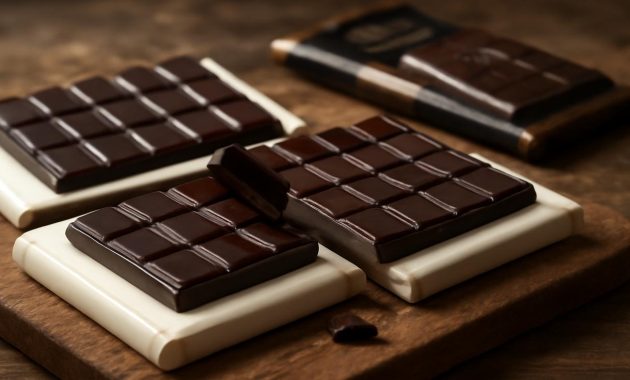
The first crack of chocolate in the tasting room sounded almost too loud for such a small square. It snapped, clean and bright, like a branch under winter snow. Around the long wooden table, six people in white coats and soft sweaters—the kind of experts who can talk for ten minutes about cocoa fermentation—leaned in, closed their eyes, and let the piece melt on their tongues. Someone whispered, “Plums… is that a hint of plum?” Another shook her head. “More like roasted hazelnut. And… is that coffee?” They all scribbled notes on clipboards, serious as surgeons. The funny thing was, none of them knew that the chocolate they were praising so carefully had cost less than the coffee in their mugs.
The Day the Premium Bars Lost Their Crown
This was not supposed to happen. The tasting, tucked away in a small sensory lab that smelled faintly of cocoa and freshly sanded wood, had been designed to confirm what everyone already “knew”: that premium dark chocolate—wrapped in heavy paper, gold foil, and elegant typography—would handily beat the budget bars lining ordinary supermarket shelves.
There were forty-three bars in total, stripped of their branding and coded with anonymous numbers. Some had beans sourced from single estates with poetic names, others boasted of 80% cocoa content and rare origins. A few had descriptions so dramatic they sounded more like wine than candy: notes of “forest floor,” “black cherry,” and “toasted brioche.” And then there were the quiet bars: three basic supermarket dark chocolates, the sort you grab while buying dish soap or pasta, their usual price tags somewhere under the “ouch” line.
The experts running the test—food scientists, sensory analysts, and a chocolatier with cocoa dust permanently trapped under his fingernails—expected a neat hierarchy. The expensive bars would rise to the top; the cheaper ones would gather around the lower-middle like a polite, unimpressive crowd. But chocolate, it seems, has as little respect for expectations as it does for price tags.
Behind the Scenes in the Tasting Room
The room itself was built for details: soft neutral walls, natural light filtered through linen blinds, and a silence broken only by the faint hum of the refrigerator and the rustle of paper tasting cups. Each bar had been tempered to perfection earlier that morning, brought to exactly the right temperature so that its aroma could slip out slowly instead of shouting all at once.
On the table, the samples sat like uniform soldiers—same size, same shape, no fancy logos or sculpted patterns. Just plain squares, coded with little stickers: B17, A04, C29. Every expert moved through them in the same ritual: look, snap, smell, taste, pause. The sound of the snap told them about proper tempering and cocoa butter crystallization. The shine revealed the skill of the maker. The smell—the bloom of cocoa, smoke, fruit, spice—gave the first hints of the flavors waiting inside.
Then came the melt. Real dark chocolate doesn’t rush. It softens slowly, opening up in layers: first the bitterness, then fruit or flowers, then something like toasted bread or vanilla, and finally a long tail that hangs at the back of your throat. The experts rated each bar on aroma, texture, complexity, balance, and aftertaste. They didn’t know which were the premium darlings of Instagram and which were quiet supermarket workhorses. They only knew the chocolate in front of them.
By mid-afternoon, as the stack of coded wrappers grew higher, a private suspicion began to creep into the room. One of the least expensive samples—C14—kept earning glowing comments. “Beautiful snap,” someone noted. “Really clean finish,” another said. “Honestly, I could eat an entire bar without palate fatigue.” A second cheap bar, A09, drew praise for its velvety texture and almost floral aroma. A third, B22, tasted unexpectedly sophisticated, with the delicate bitterness of espresso and a smooth, slow melt.
When the Scores Were Revealed
When the tasting finally ended, the table looked like the aftermath of a peculiar paper storm. Cups, wrappers, scribbled forms, small stains of cocoa dust. The experts shifted from tasters to analysts, handing over their score sheets. A data analyst, fingers faintly sticky from holding one too many samples, entered numbers into a spreadsheet: aroma scores, texture ratings, flavor complexity, overall enjoyment, and even a “value perception” that had been filled out before prices were known.
The room hummed with the soft clatter of keys and the quiet exhale of people who’d eaten far too much dark chocolate in one sitting. When the results were finally sorted—averages calculated, outliers checked, patterns verified—someone muttered, without looking up, “You’re not going to believe this.”
The top five bars were listed on the screen. Three of them did not belong to the expected pantheon of premium brands. They weren’t from famed chocolate houses. They weren’t wrapped in thick, letterpressed paper. They were the very supermarket bars that most people toss into their carts without a second thought, or skip entirely in favor of the fancy shelf.
C14, the bar everyone had quietly adored, turned out to be a store-brand dark 70% from a large national supermarket chain, priced less than half of the premium competitors. A09 was another store label, slightly higher cocoa content but still budget-friendly. B22? A no-frills European-style dark bar that usually lives near the baking aisle, as if even the store wasn’t entirely sure where it belonged.
The Quiet Power of Good Ingredients
Once the surprise wore off, curiosity took over. How did these three humble bars manage to outshine chocolates three or four times their price? The answer, it turned out, started with something as old and simple as the cocoa pod itself.
Many premium brands trade on story: exotic regions, limited harvests, and elaborate descriptions. But these supermarket winners had focused instead on fundamentals—sourcing decent beans, roasting them well, and keeping the ingredient list short and honest. No flashy superfoods. No unnecessary flavorings. Just cocoa mass, cocoa butter, a modest amount of sugar, and sometimes a touch of vanilla.
One of the food scientists traced the success to balance. “A lot of high-end bars are chasing intensity,” she explained later. “They go heavy on cocoa percentage to sound impressive, but higher percentage doesn’t automatically mean better flavor. If the beans aren’t extraordinary, too much cocoa can taste flat, harsh, or dusty. These supermarket bars stayed in the sweet spot—usually around 70%—where bitterness, sweetness, and aroma are in harmony.”
Another factor: texture. True, small-batch artisan chocolatiers often achieve exquisite silkiness through careful grinding and conching, but scale has its own advantages. Large manufacturers can afford to run their machines for longer, refining the chocolate until the particles are so small that the bar melts like velvet. If they choose not to cut corners on cocoa butter, the result is a surprisingly luxurious mouthfeel for very little money.
The Ingredient List That Tells a Quiet Truth
When the wrappers were finally unmasked and laid out side by side, the differences became even clearer. On some of the premium bars, the ingredient lists read like micro essays—flavorings, additions, and marketing language wrapped into one. On the supermarket champions, the lists were brief, almost modest.
| Chocolate Type | Typical Ingredients | What It Often Means in Taste |
|---|---|---|
| Supermarket Winner | Cocoa mass, cocoa butter, sugar, vanilla, sunflower lecithin | Clean, balanced flavor, smooth melt, gentle bitterness |
| Typical Premium Bar | Single-origin cocoa, cocoa butter, sugar, sometimes added flavors | Can be complex and intense, but sometimes sharp or astringent |
| Low-Quality Dark | Cocoa mass, vegetable oils, sugar, flavorings | Waxy texture, muted cocoa flavor, fast, forgettable finish |
The supermarket winners avoided the trap of cheap shortcuts (like replacing cocoa butter with other vegetable fats) while also sidestepping the prestige pressure to make every bar into a high-concept art piece. Instead, they settled quietly into the one goal most of us actually care about at the end of a long day: does it taste good when I break off a square and let it melt on my tongue?
The Psychology of a Wrapper
Of course, taste doesn’t live in a vacuum. Our brains are theater directors, staging the entire experience the moment we touch a bar. The weight of the package, the gloss of the paper, the little story about Peruvian farmers or Ghanaian cooperatives—all of it shapes what we think we are about to taste.
Some of the premium bars in the test wore their stories like crowns. They spoke of sustainability, rare beans, and small-batch artistry. There’s genuine value in those efforts, especially when they support better farming practices and fair pay. But in a blind tasting, stripped of narrative and packaging, the chocolate itself has to stand alone, bare and honest.
The surprise showed up in the numbers. Before tasting, when the experts had been allowed to see the brands and prices of a separate sample set, they consistently predicted that the priciest bars would taste best. After the blind rounds, those assumptions crumbled. Some premium bars did land in the upper tier—they were complex, stunning, and memorable. But a handful were outpaced by the unassuming budget bars that nobody had been excited about, at least not until they tasted them.
It raised an uncomfortable question: how much of what we “love” in chocolate is actually flavor… and how much is story, price, and prestige? The tasting didn’t provide a moral verdict, but it did underline a simple truth. Our palates are more democratic than our shopping carts.
What This Means for Your Next Chocolate Aisle Wander
The next time you stand in front of that long wall of chocolate—wrappers glowing under the soft grocery store lights—you might feel a small shift. The premium bars are still there, still beautiful, still often worth their price, especially if they support ethical practices and pay farmers fairly. But now, perhaps, your eyes soften toward the store-brand section too.
You might notice a plain dark 70% with a short ingredient list and an unassuming wrapper. You might remember that somewhere, in a small sensory lab, an expert once closed her eyes over a piece just like that and said, quietly, “This might be my favorite of the day.”
How to Taste Chocolate Like an Expert (Without Being One)
You don’t need a white coat or a clipboard to discover what the experts found. All you need is a bit of patience and curiosity. In fact, turning your own kitchen into a miniature tasting room can be as simple—and as satisfying—as arranging a few bars on a plate and paying attention to what your senses tell you.
A Simple At-Home Tasting Ritual
Pick three or four dark chocolates: maybe one premium bar that caught your eye, one store-brand dark 70%, and another mid-range option. Break them into small squares and line them up on a plate. If you’re sharing with friends or family, you can code them with letters so no one knows which is which until the end.
Now slow down:
- Look: Is the surface glossy or dull? Dark and rich, or pale and streaked?
- Listen: Snap a square in half near your ear. A clean, sharp crack is usually a sign of well-tempered chocolate.
- Smell: Bring the piece close and breathe in gently. Cocoa, spice, fruit, coffee, smoke—what do you notice first?
- Taste: Let it sit on your tongue instead of chewing right away. Where does the flavor hit—front, middle, or back of your mouth? Does it change as it melts?
- Finish: After you swallow, does the taste linger pleasantly, or disappear quickly? Is there a harsh edge, or a soft echo?
Note what you feel and taste, even if your language is simple. You don’t need to name obscure fruits or flowers. “Smooth, not too bitter, kind of cozy” is just as valid as “balanced acidity with notes of dried fig.” The important thing is that you notice, that you pay attention.
When you finally flip the wrappers and reveal which bar was which, you may find your favorite is not the most expensive one. You may discover that your tongue, all along, cared more about texture and balance than about labels or prestige. You may even find yourself quietly reaching for that supermarket bar the next time you need a little square of evening comfort.
Why This Discovery Matters More Than It Seems
On the surface, the story of three low-cost supermarket chocolates quietly outshining premium brands is just a pleasant surprise—a small consumer victory in a world where price so often masquerades as quality. But there’s something deeper humming below the surface.
It’s a reminder that our senses are wiser than our assumptions, if we give them space to speak. That joy does not always live at the high end of a price range. That sometimes, in a world dazzled by marketing and scarcity, the most honest pleasures are the ones hiding in plain sight, on a mid-level shelf, wrapped in unremarkable paper.
And it’s a gentle encouragement, too. Next time you break a square of chocolate in half and hear that small, satisfying crack, you might close your eyes for a moment. You might notice the way it softens at the edges, the way the cocoa blooms and settles. You might remember that somewhere, experts once sat at a long wooden table and were surprised—delighted, even—to discover that good taste is not always expensive, and that sometimes, the best chocolate is the one you never thought to brag about.
Frequently Asked Questions
Do higher cocoa percentages always mean better dark chocolate?
No. A higher cocoa percentage often means a more intense, less sweet flavor, but “better” depends on bean quality and balance. Poorly processed 85% chocolate can taste harsh or flat, while a well-made 70% bar can be rich, complex, and deeply satisfying.
How can a cheap supermarket chocolate beat an expensive premium bar?
Large manufacturers can source decent beans at scale, invest in long refining and conching times, and keep ingredient lists simple. When they focus on balance and texture rather than marketing drama, the result can rival—or surpass—more expensive competitors in blind tastings.
What should I look for on the label when choosing dark chocolate?
Look for a short ingredient list: cocoa mass (or cocoa liquor), cocoa butter, sugar, and maybe vanilla and lecithin. Avoid bars where cocoa butter is heavily replaced by other vegetable oils, and choose a cocoa percentage in the 60–75% range if you’re still getting used to dark chocolate.
Is single-origin chocolate always better?
Not necessarily. Single-origin bars highlight the character of beans from one region, which can be exciting and unique. But if those beans are not processed skillfully, the result can be unbalanced. Blended chocolates can be just as good, and sometimes more harmonious, depending on the maker.
How should I store dark chocolate at home?
Keep it in a cool, dry, dark place—ideally around 15–20°C (59–68°F)—away from strong odors. Avoid the fridge if possible, as moisture and odors can affect flavor, though refrigeration in an airtight container is better than letting chocolate melt in hot weather.
Is dark chocolate actually healthier than milk chocolate?
Dark chocolate typically contains more cocoa solids and less sugar, which can mean more antioxidants and less added sweetness. However, it’s still an energy-dense food. Enjoy it as a mindful treat rather than a health supplement.
Can I do my own blind chocolate tasting at home?
Yes. Ask someone to remove or cover the wrappers and label pieces with simple codes or letters. Taste slowly, take notes, and only reveal which bar is which at the end. You may be surprised by which chocolate your senses choose once price and branding are out of the picture.